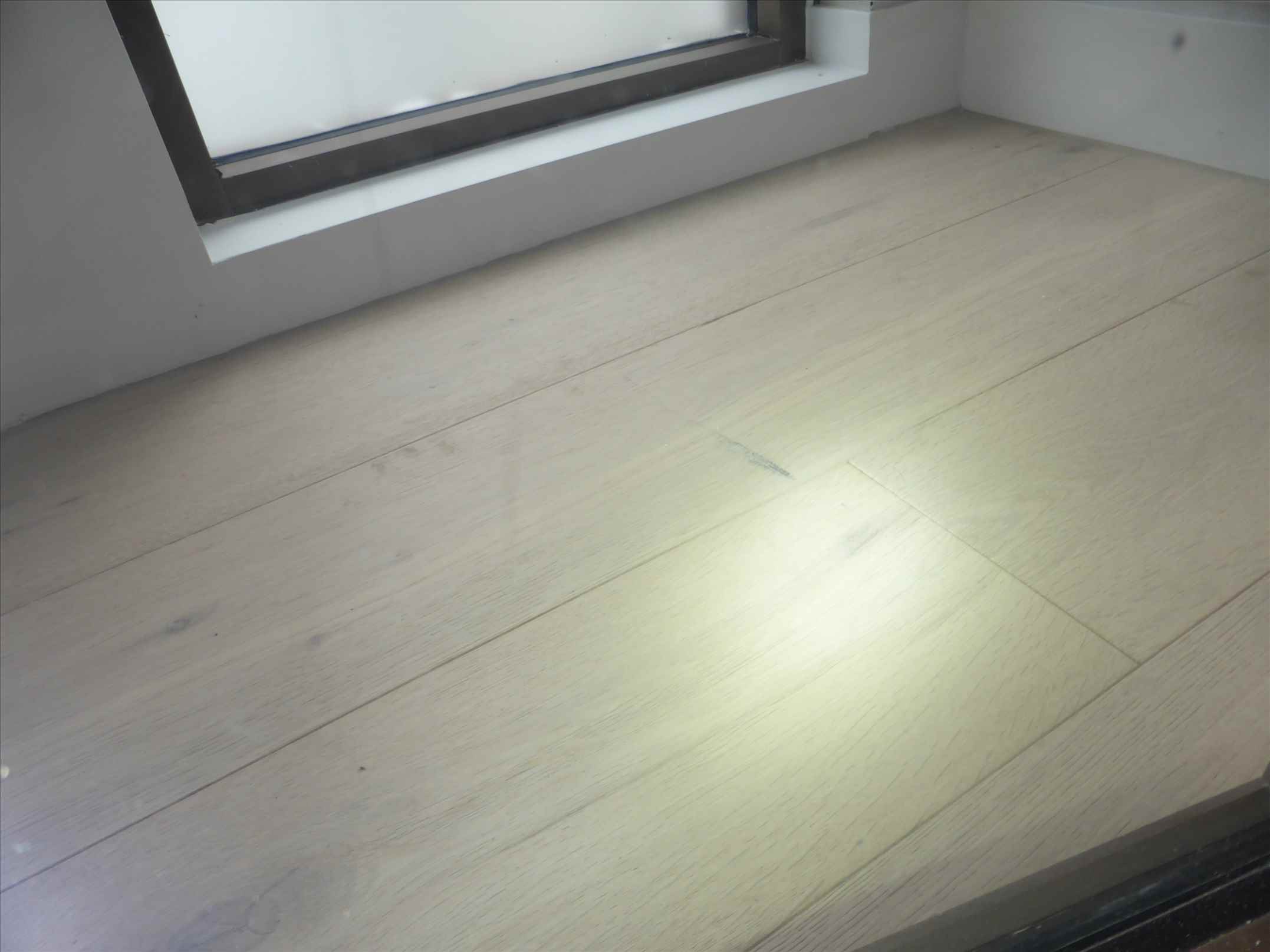
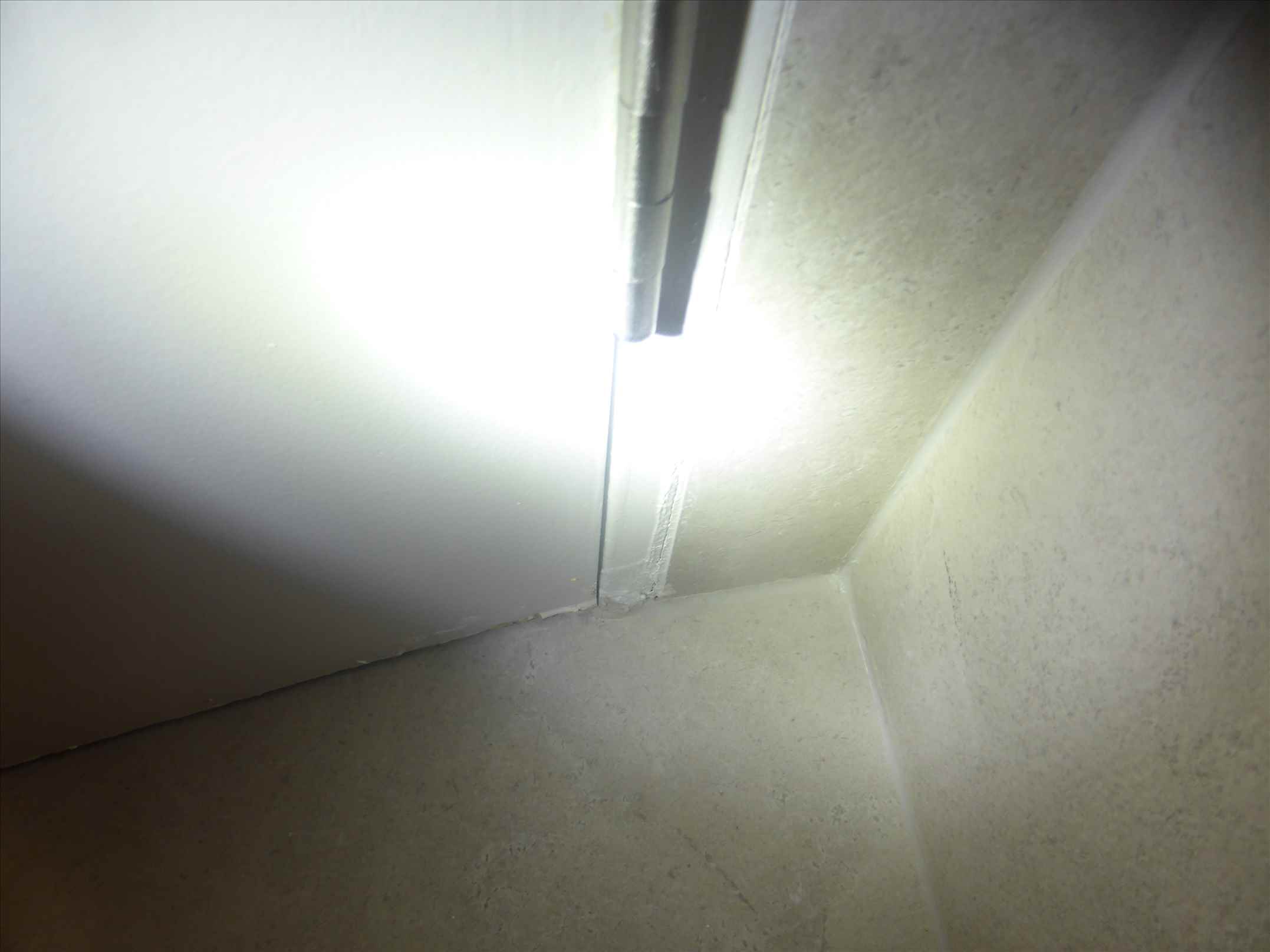
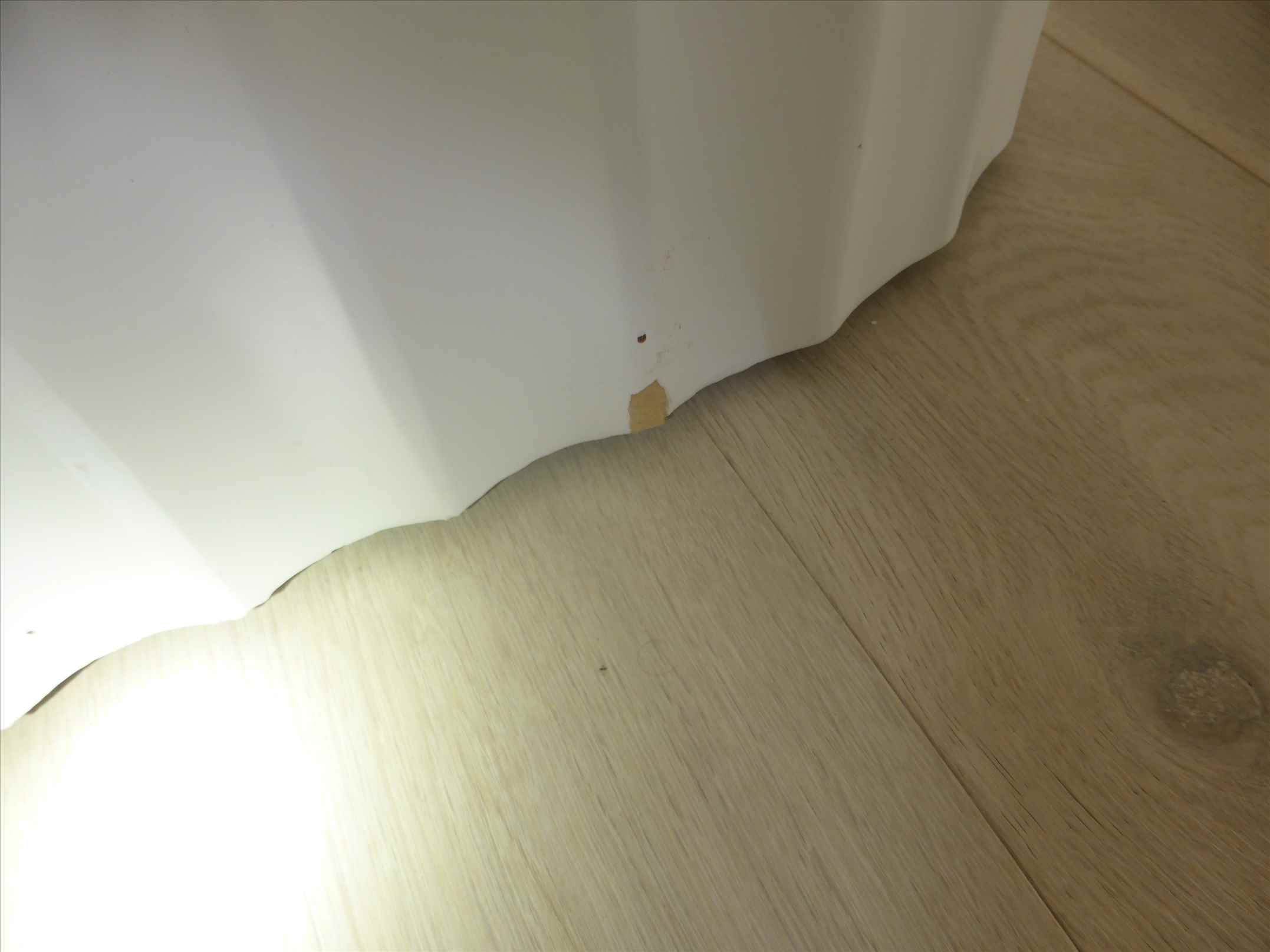
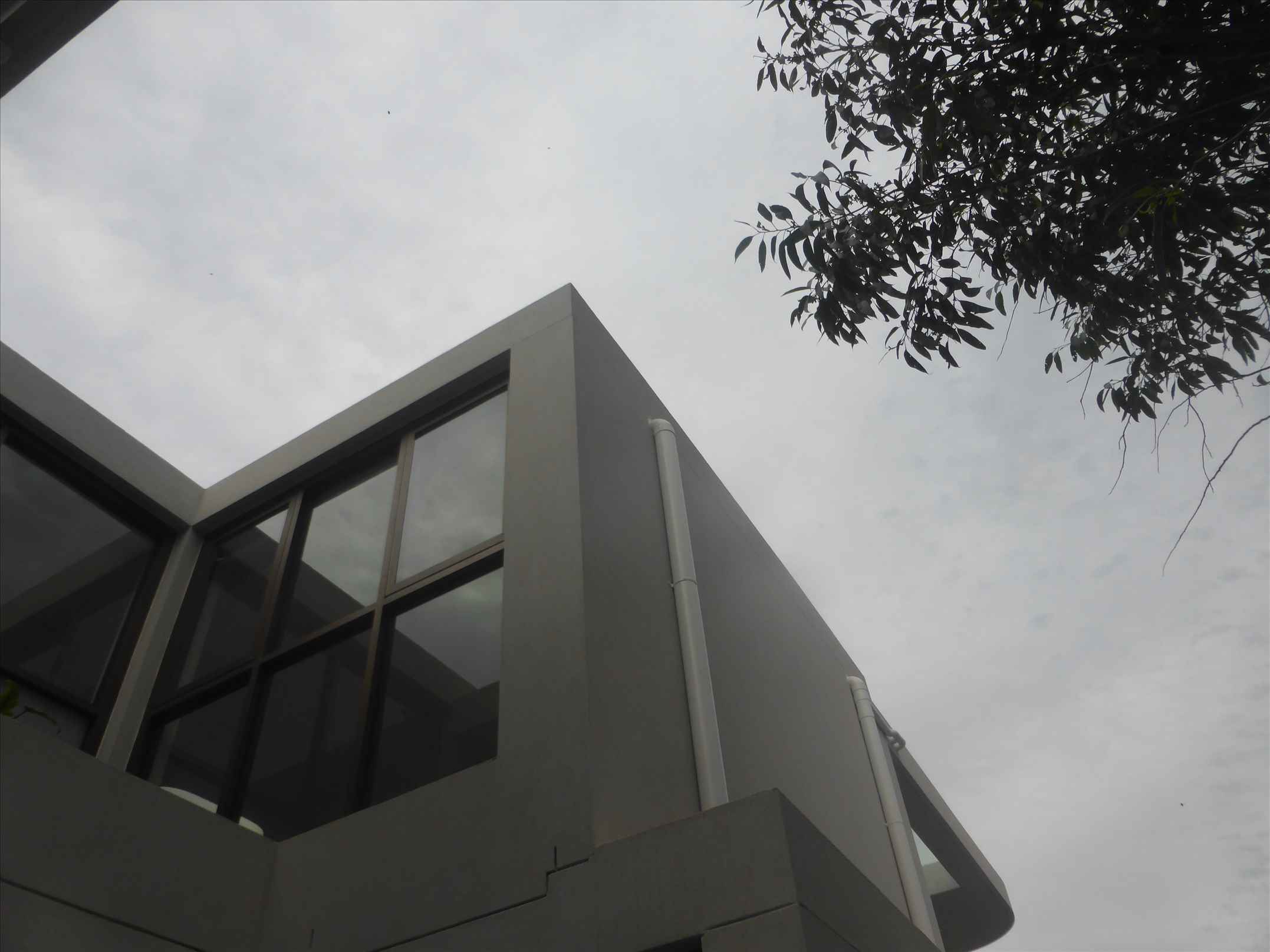
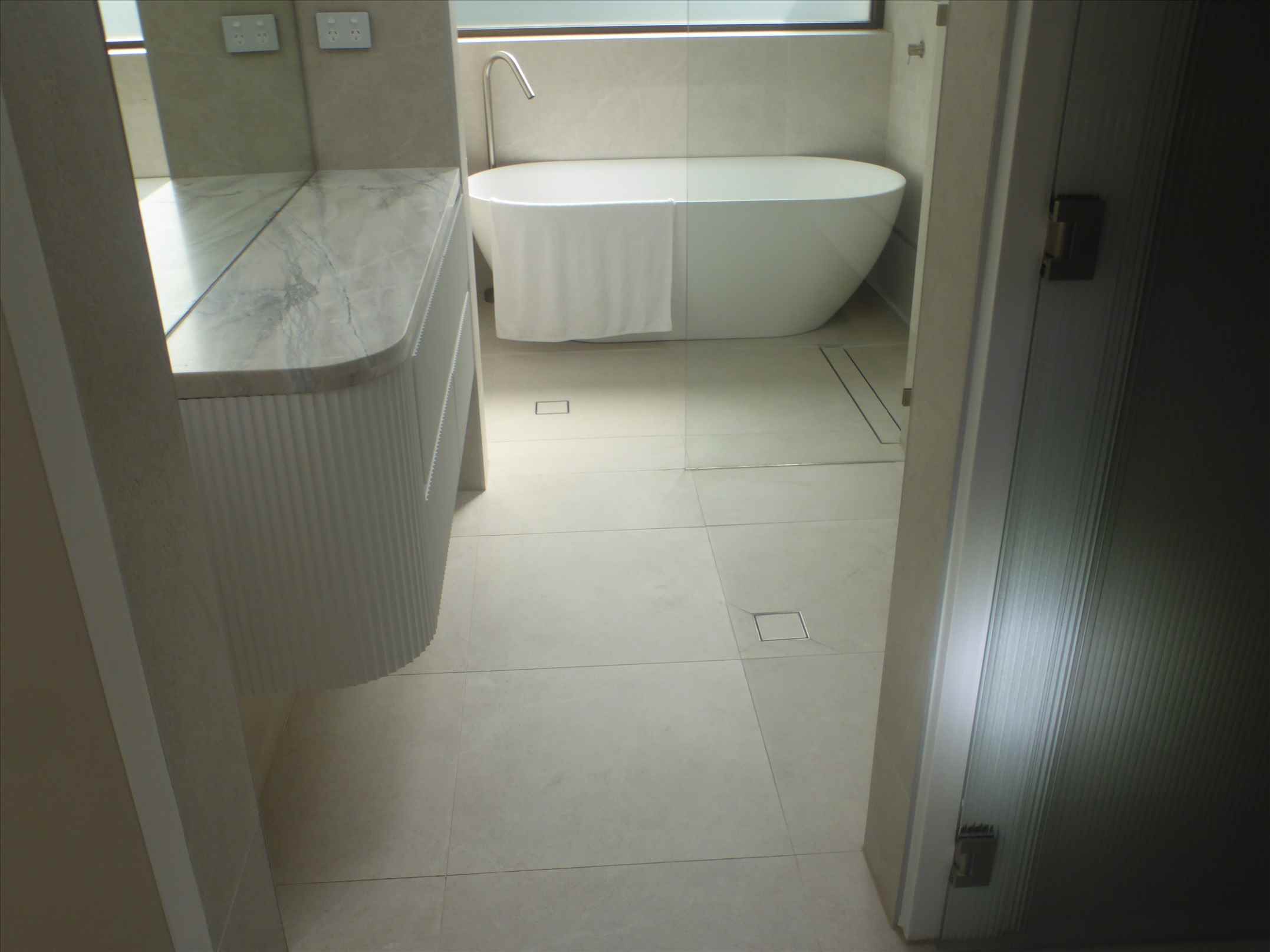
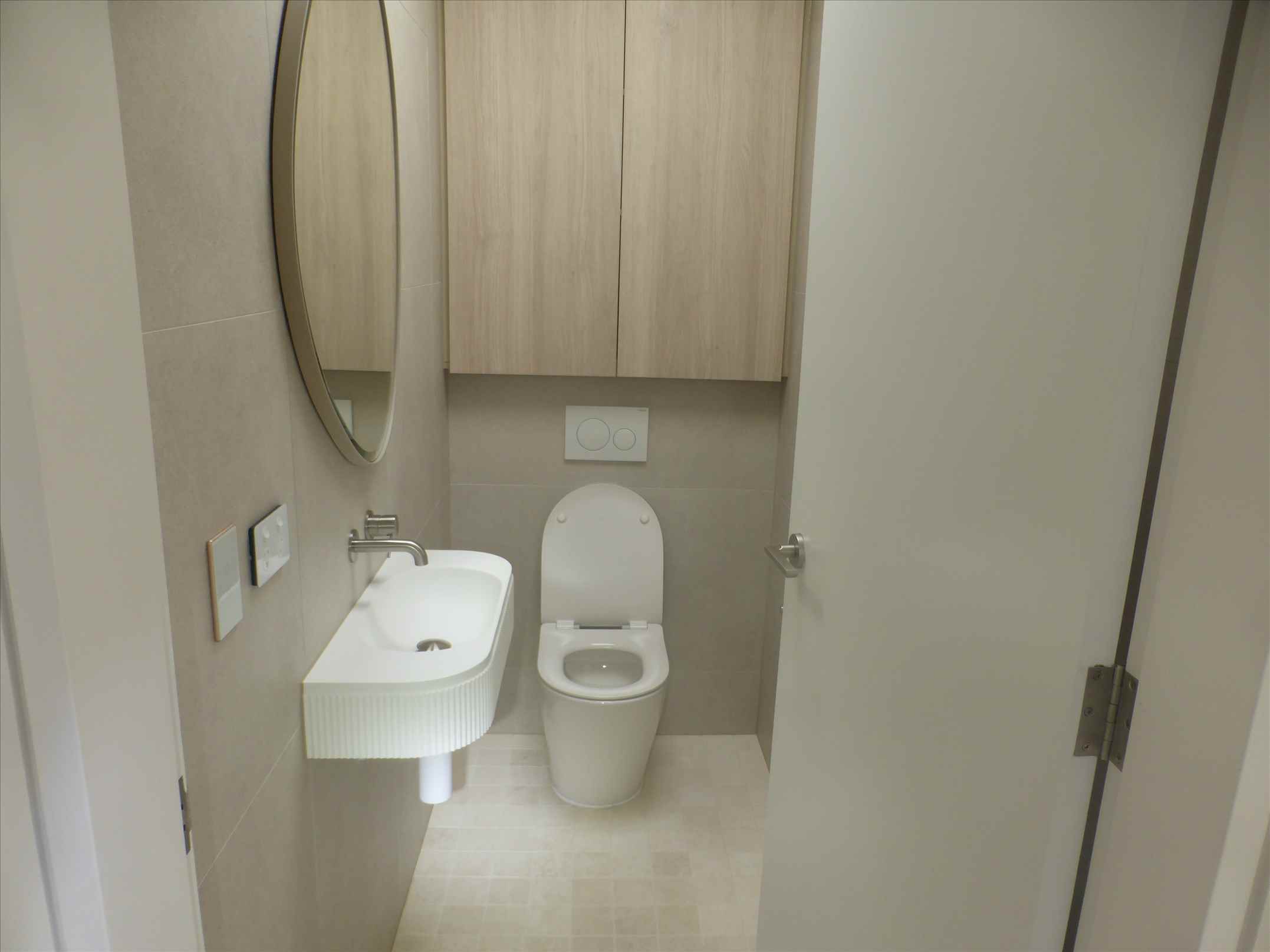
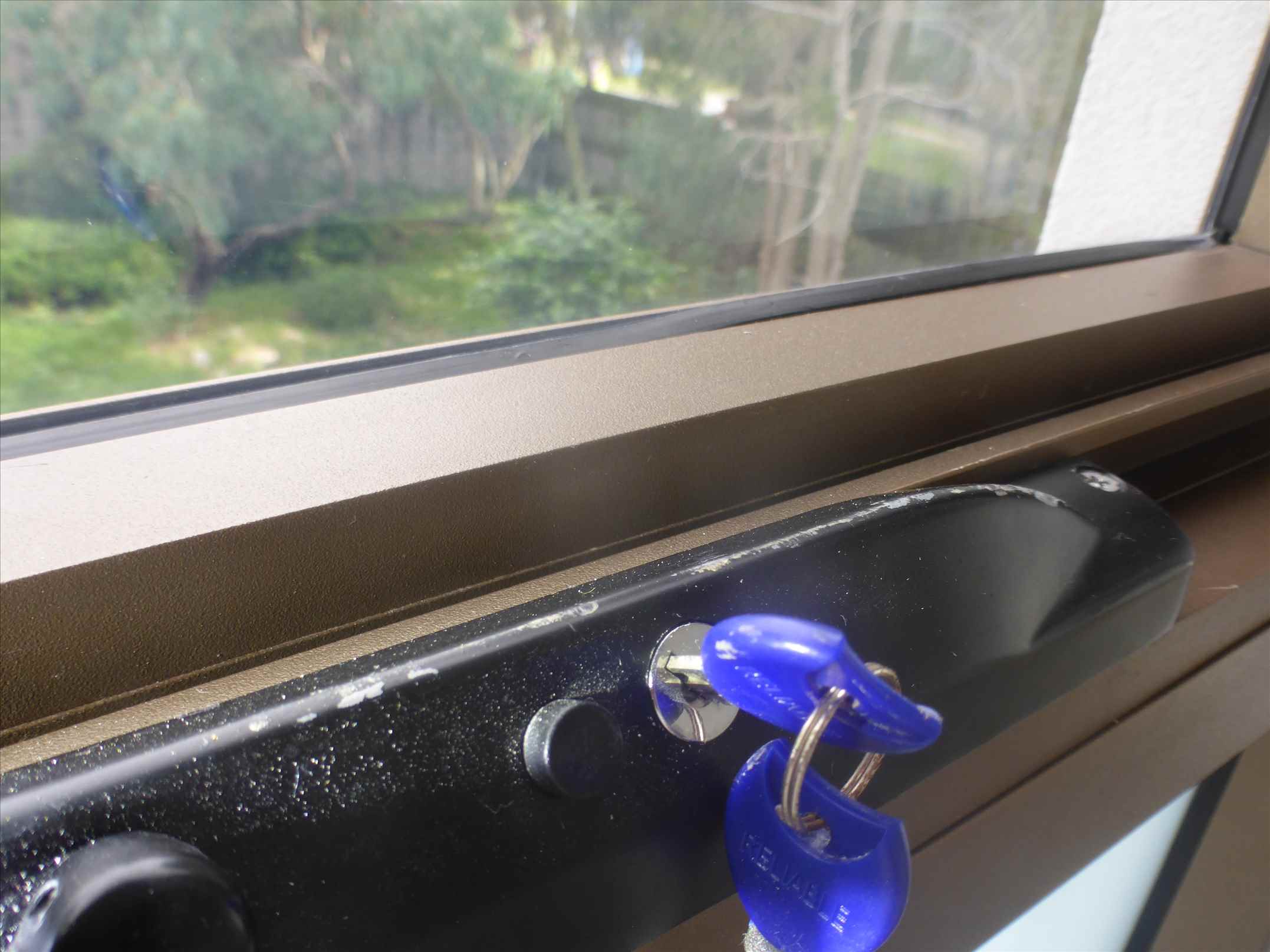
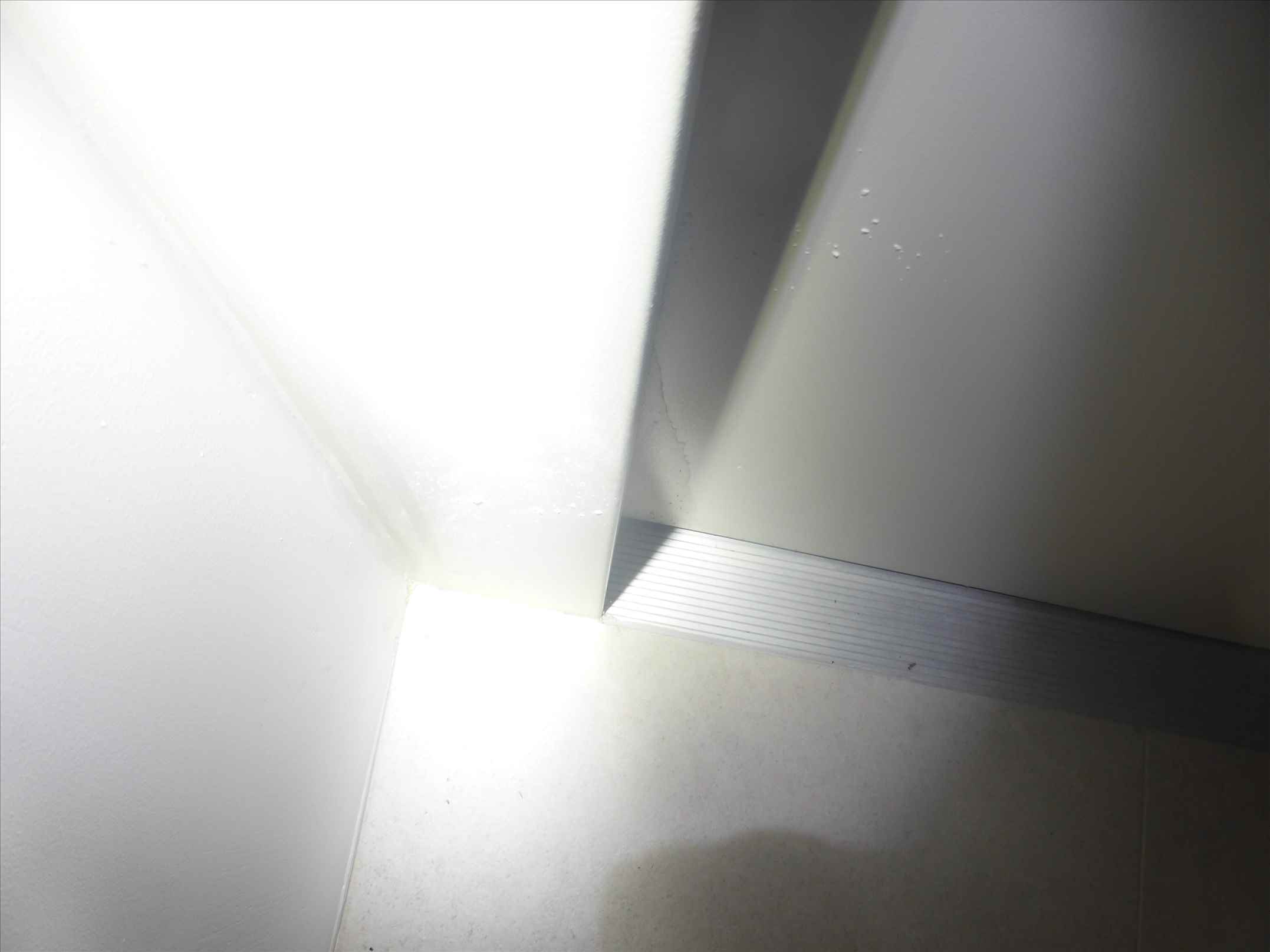
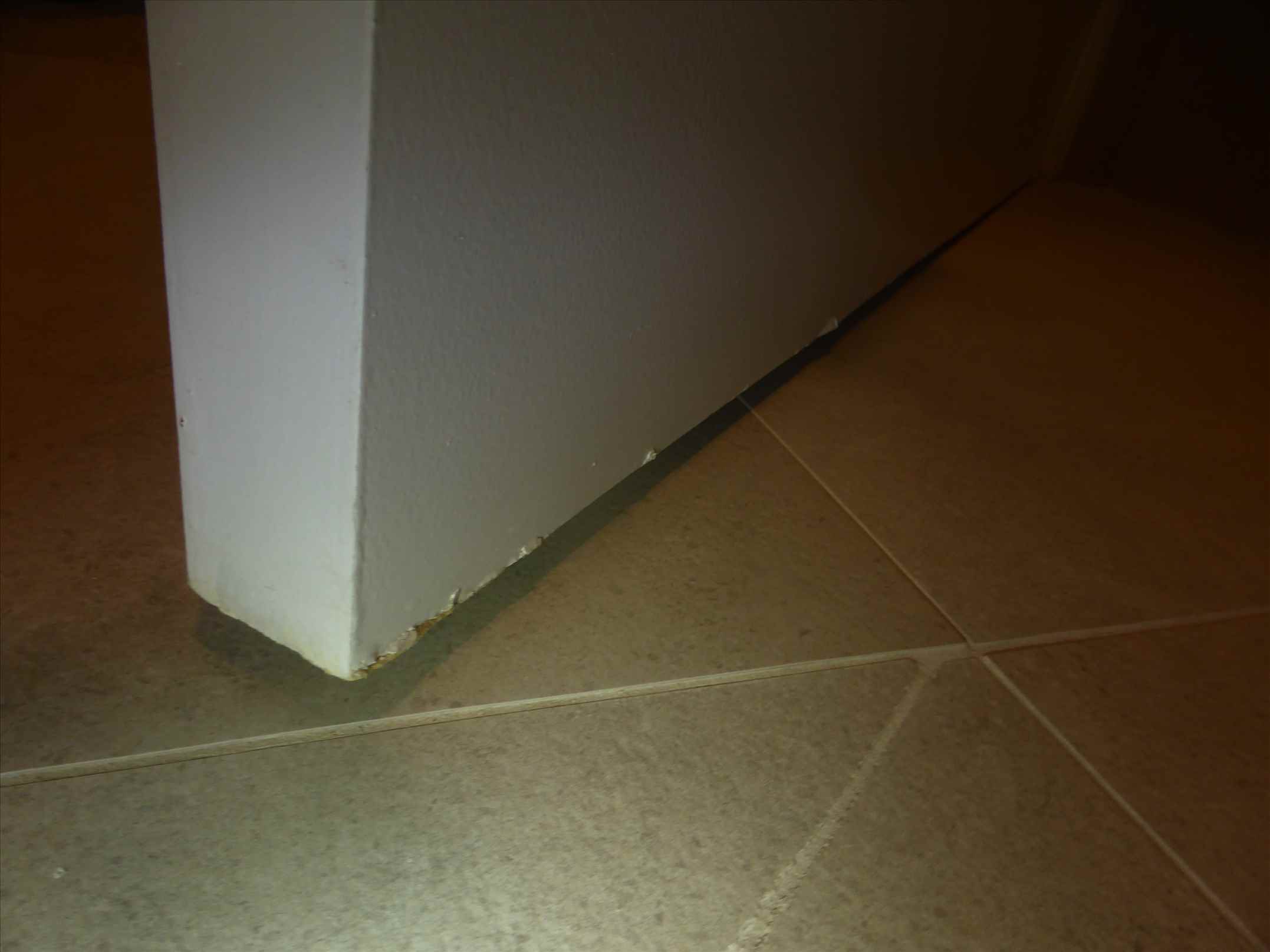
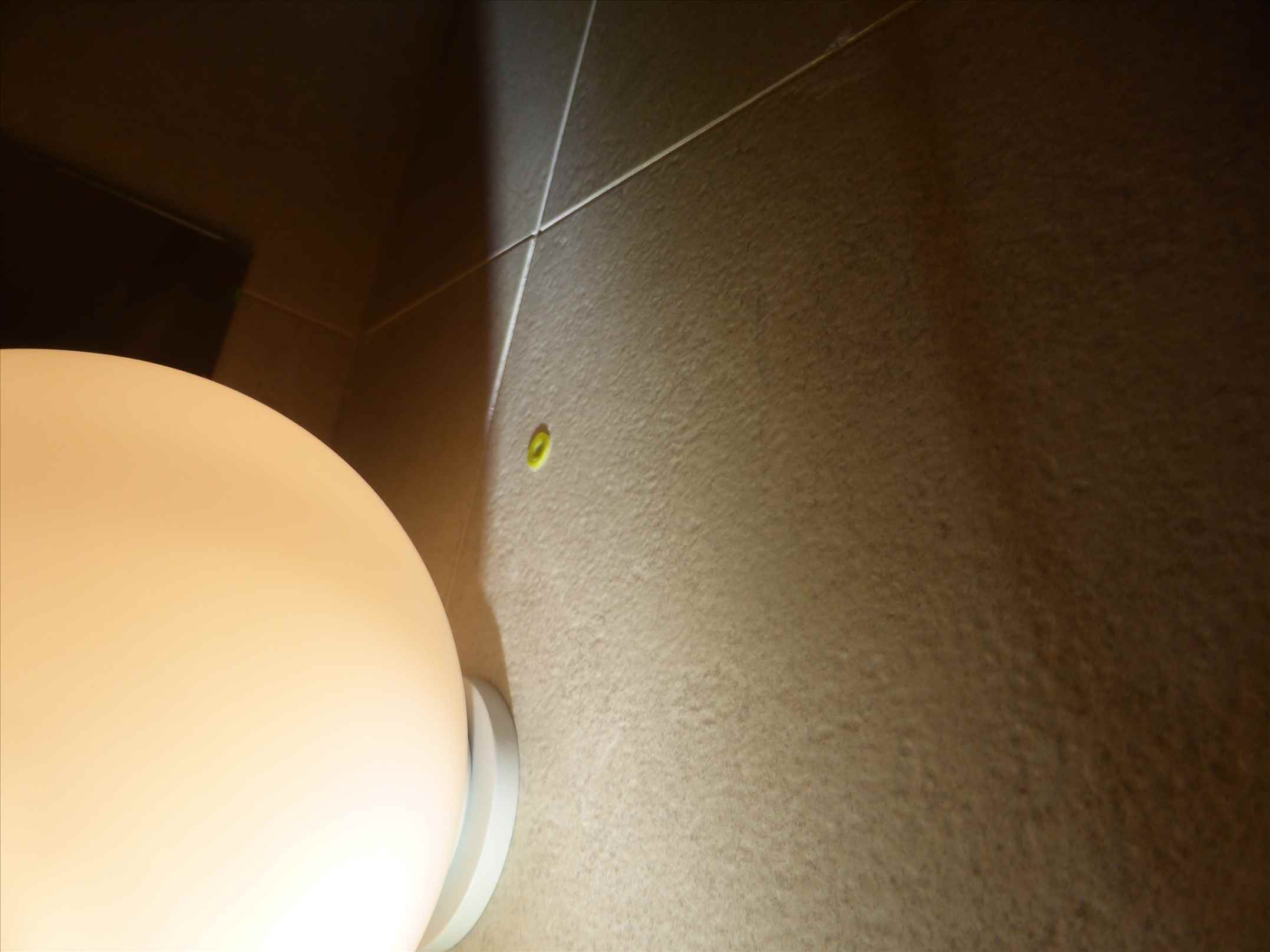
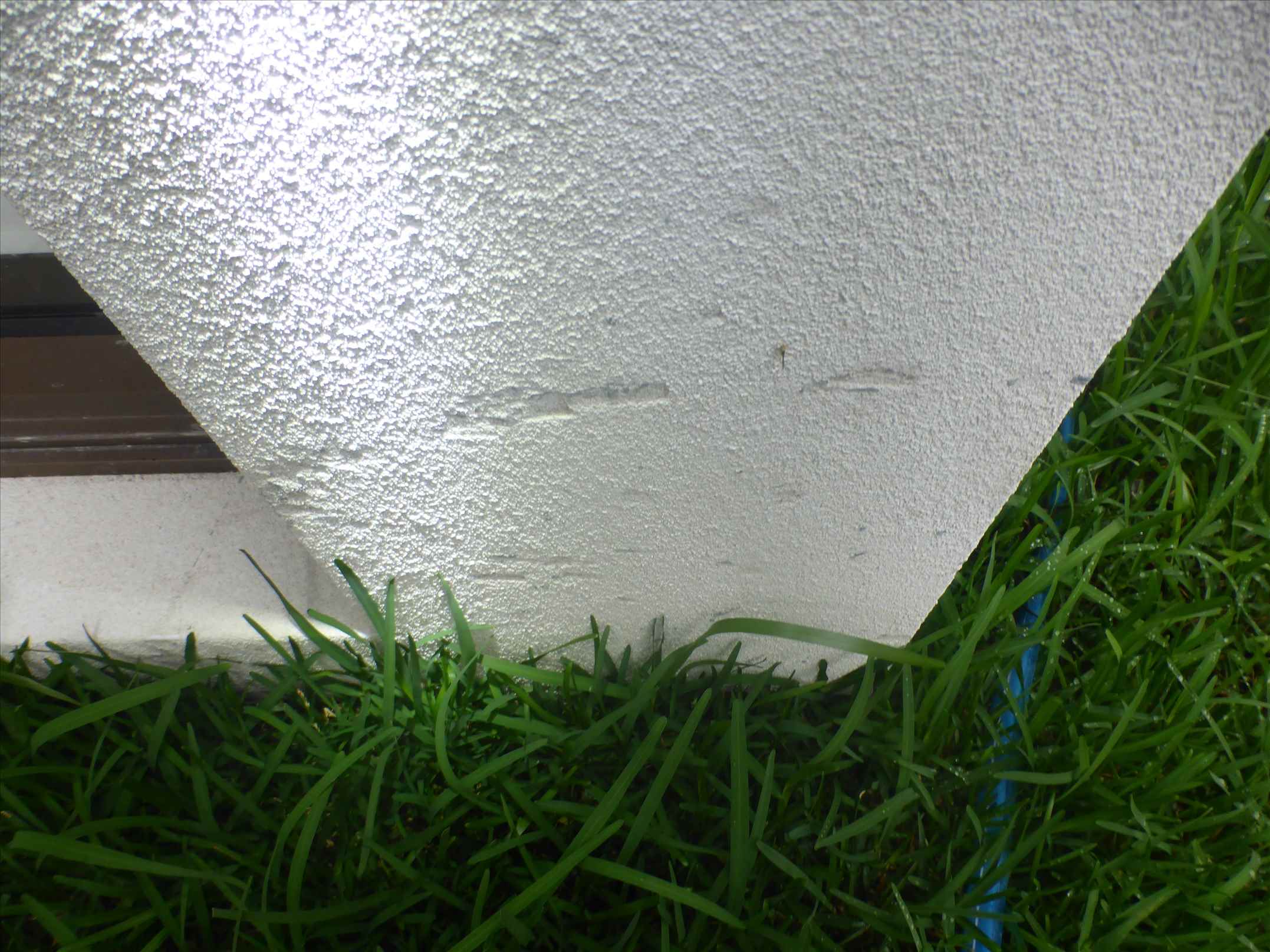
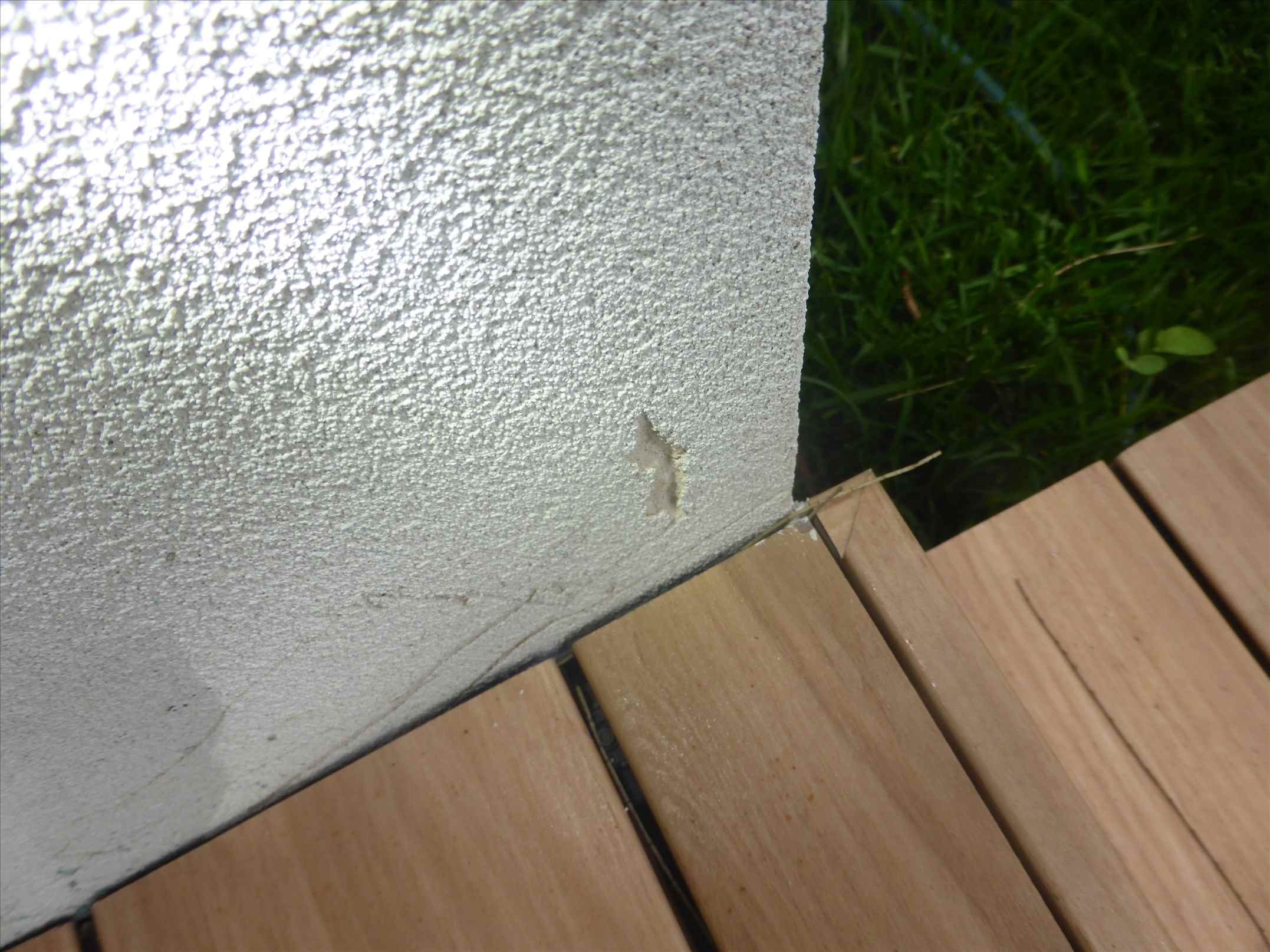
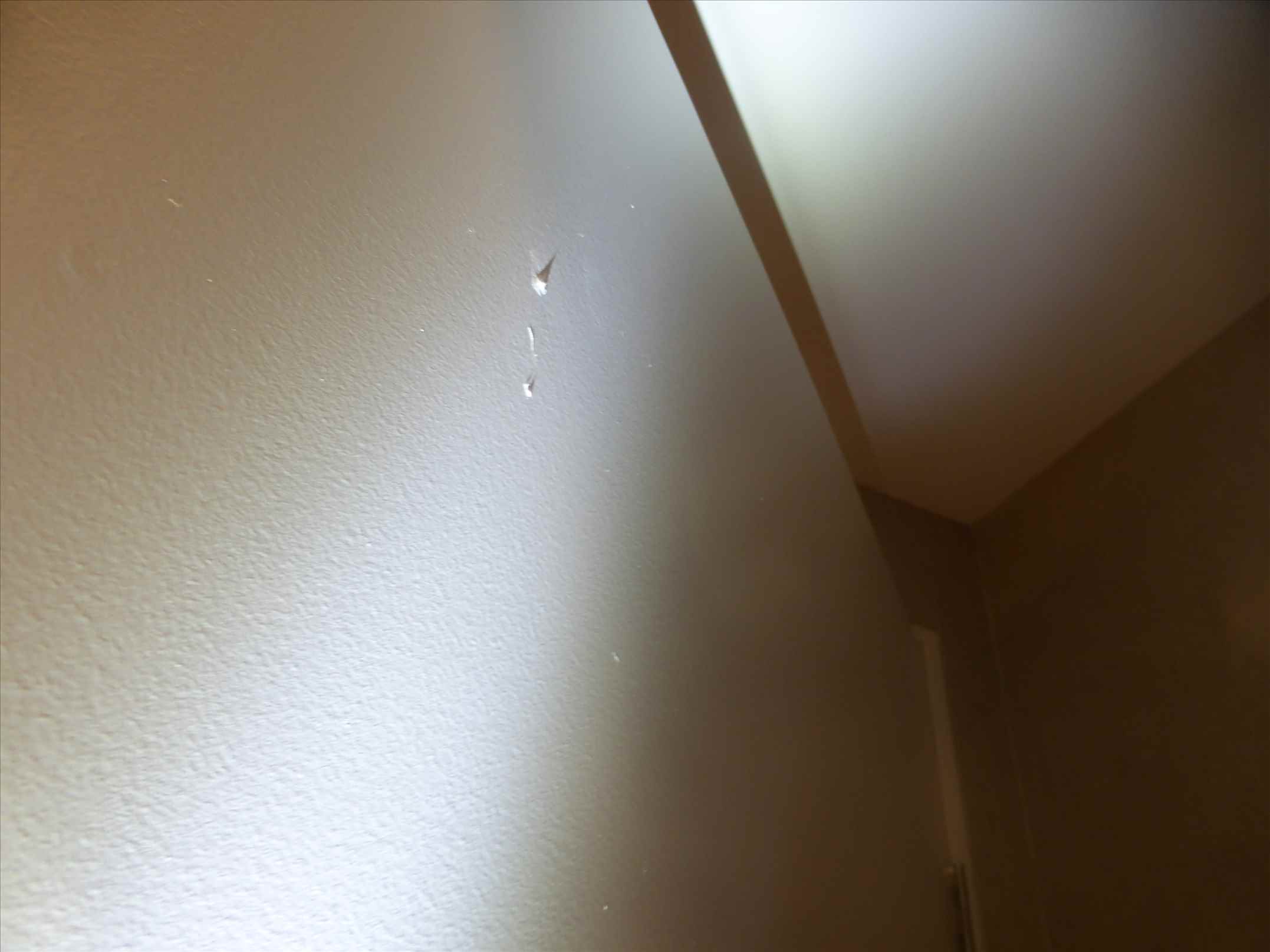
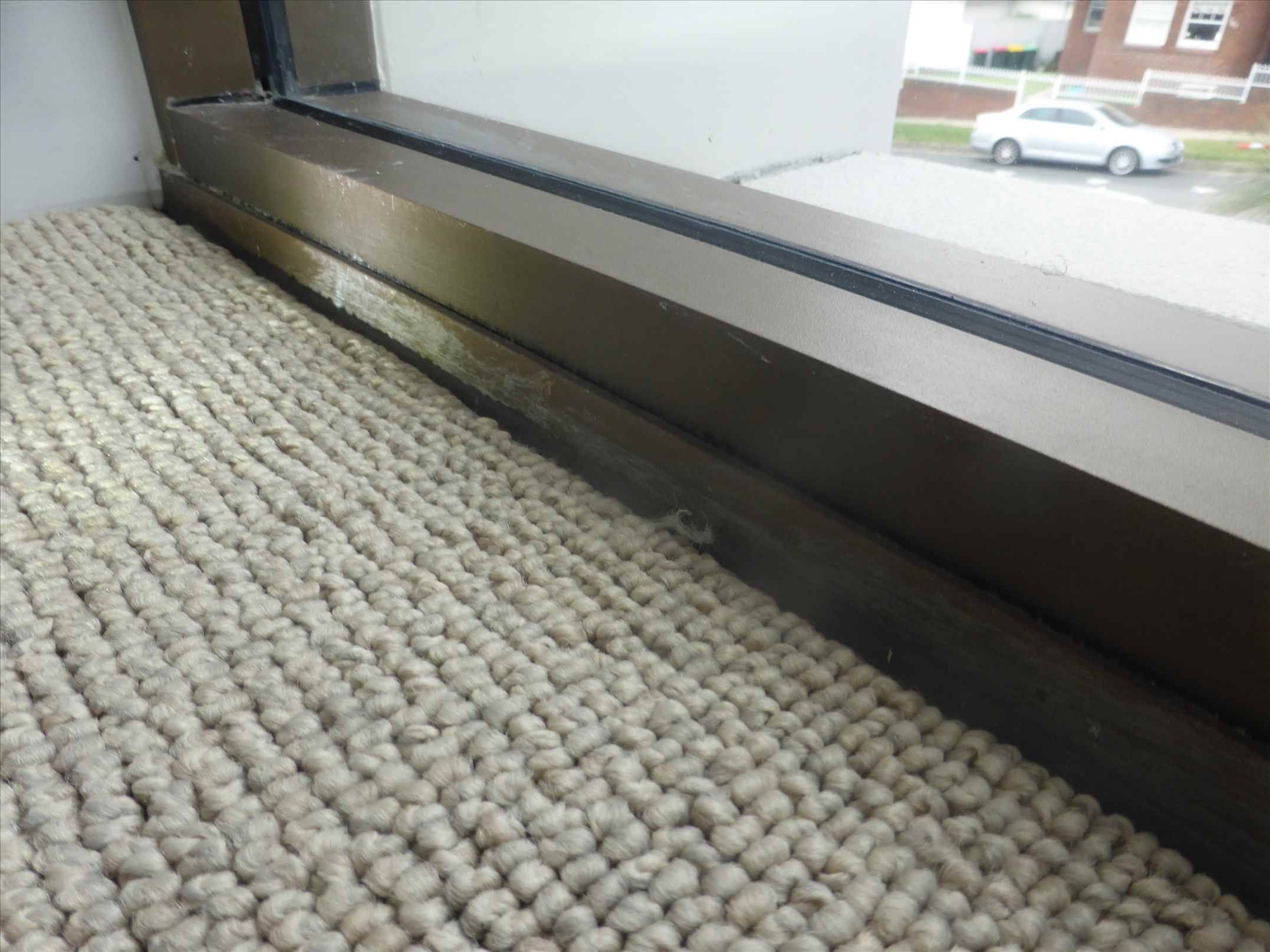
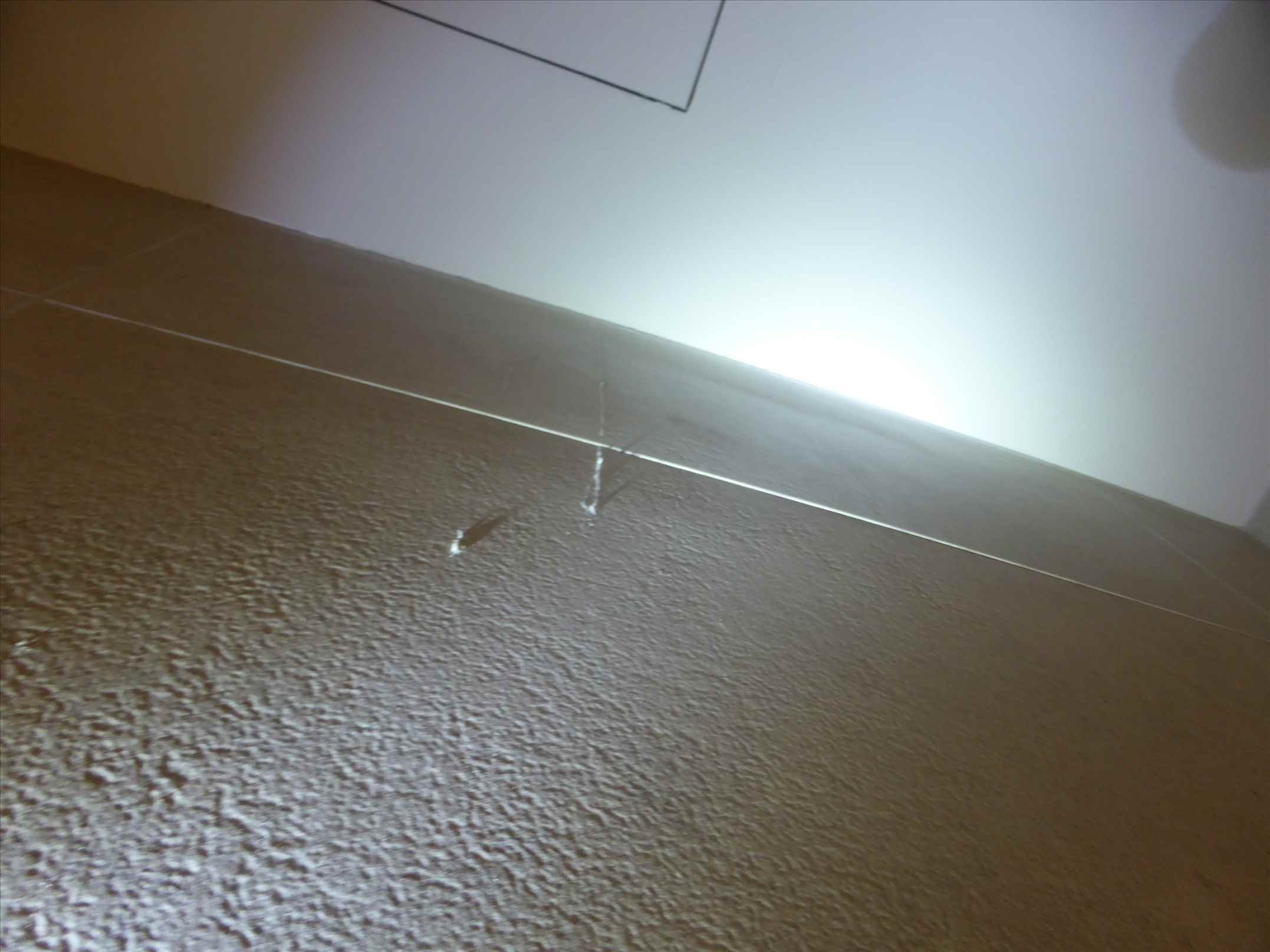
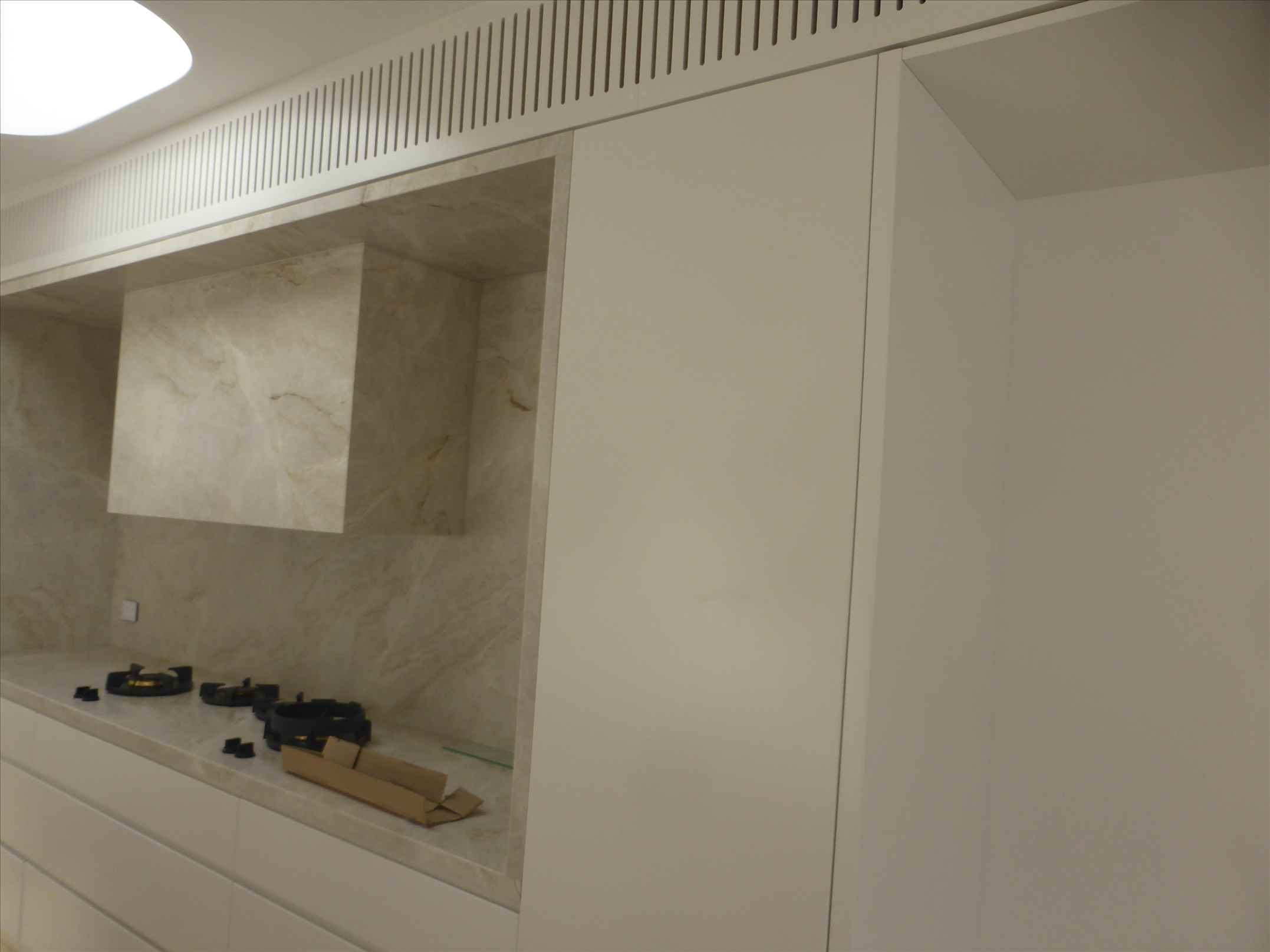
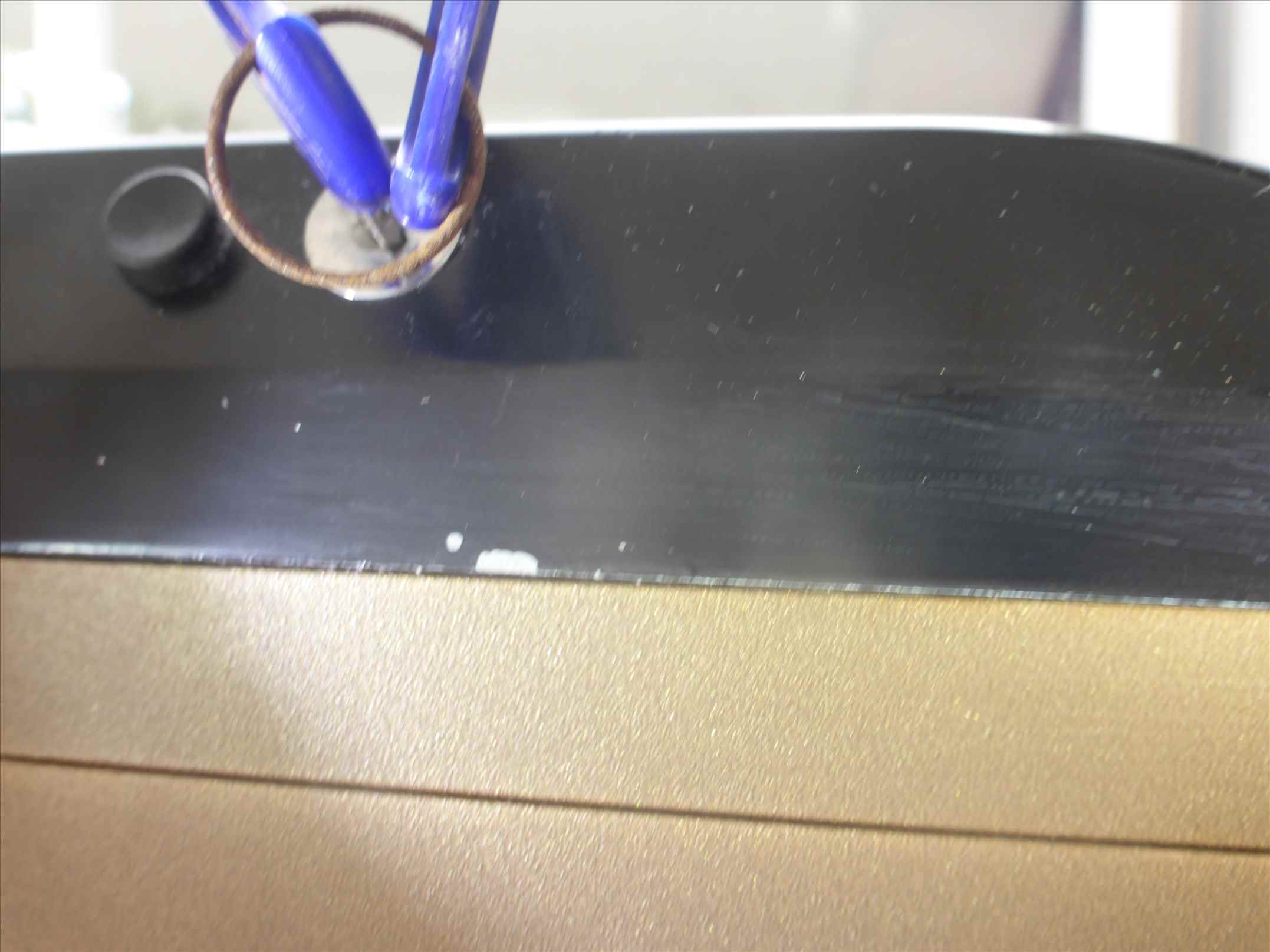
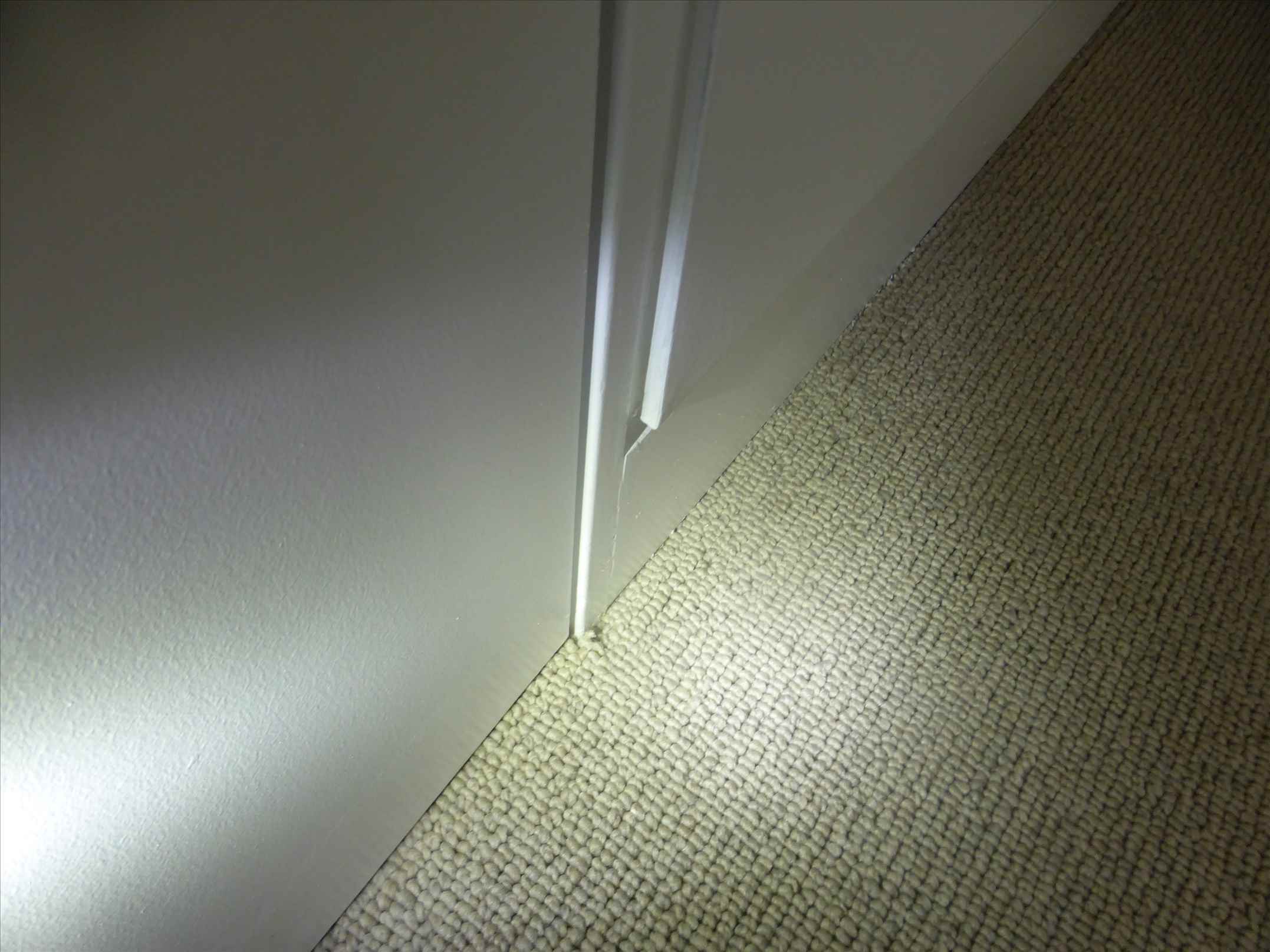
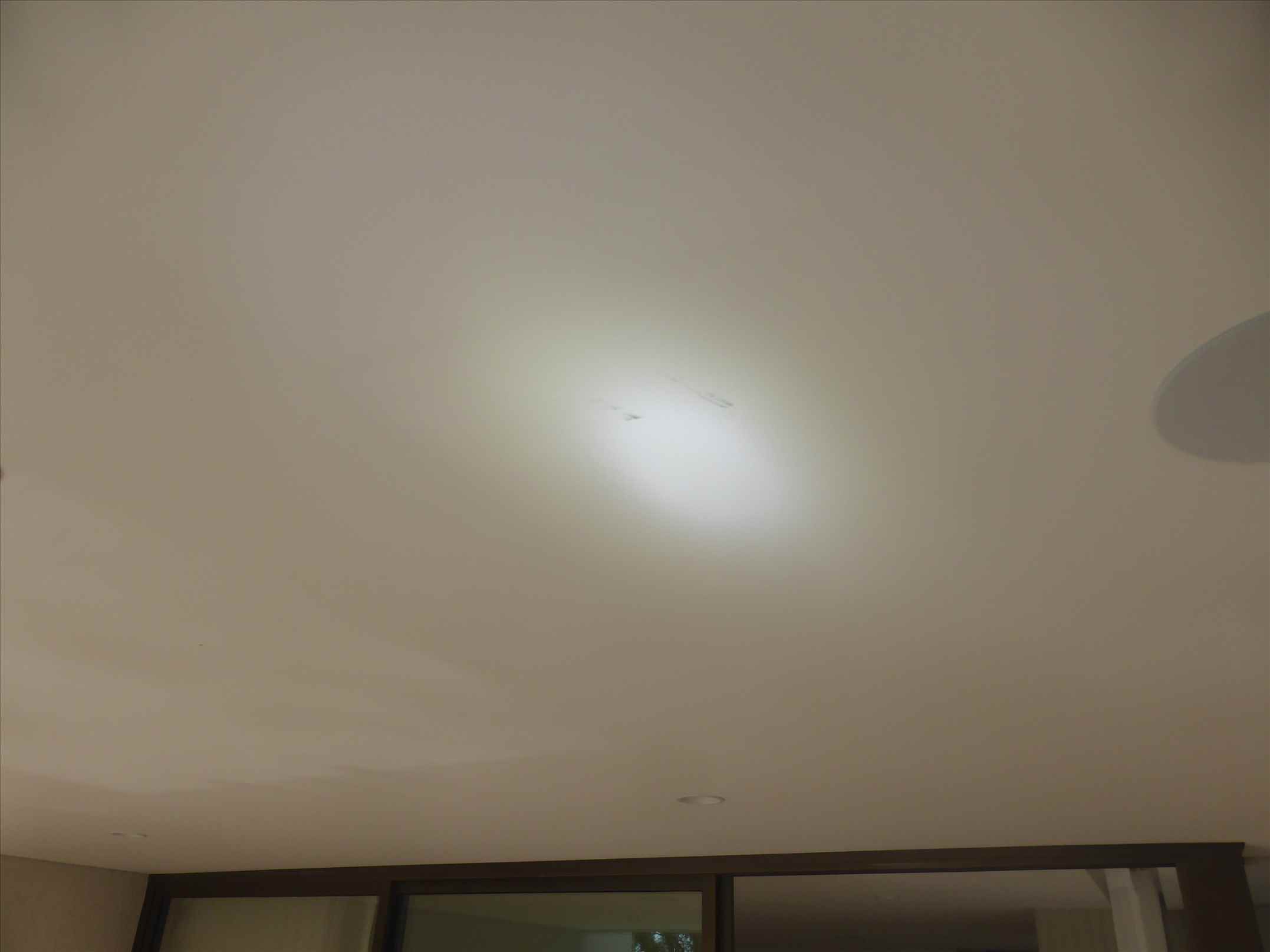
Final Defects Inspection Report · Report Pack

152 Moverly Road, South Coogee

Top (Northern) Townhouse · Proposed Lot 2 in unregistered plan DP 752015

Inspection details

Property
152 Moverly Road, South Coogee NSW 2034 — Top (Northern) Townhouse
Lot / DP
Proposed Lot 2 in unregistered plan DP 752015
Inspection date
23 April 2026
Inspection type
Visual building inspection — non-intrusive
Prepared by
Dominic Ogburn · Access Property Services
Verify Credentials
Source drawings
Graphio CDC 3.00 / 4.00 / 5.00 / 6.00, Revision I, dated May 2023

What's in this report pack

  1. 01

    Final Defects Inspection Report

    Full master register of the 51 findings, grouped by level, with severity, location, photo references, observation, applicable standards and recommendation for each.

  2. 02

    Cosmetic Defect Register

    42 cosmetic / handover items separately registered as builder's defects-liability obligations.

  3. 03

    Appendix A — Guest Bedroom Ventilation Compliance Calculation

    Worked NCC HP H4D5 / AS 1668.2:2012 compliance calculation supporting finding G10. Set out as a standalone technical appendix so it can be sent on its own to a Fire Safety Engineer, certifier or HVAC designer.

Access Property Services23 April 2026Cover · 1 of 2

Executive summary Master defect register

51 findings recorded against NCC 2022 Housing Provisions and current Australian Standards.

Total findings
51
Master defect register
9
Major (9 register refs, 6 distinct items — B1/G2 fire separation; G4/U1 AS 2047 windows-labelling; G5/U2 AS 3740 wet-area waterproofing logged at both levels)
15
Moderate
1
Observation
26
Minor / Verify / Operational

Executive summary Cosmetic Defect Register

42 cosmetic / handover items — surface, finish and trade-handover defects (paint touch-ups, render chips, sealant beads, tile residue, joinery finishing and similar). Not safety, structural, weatherproofing or compliance items, but are the contractor's responsibility under the defects-liability provisions of the building contract.

Combined defect statistics

RegisterItems
Master defect register (compliance, structural, weatherproofing, life-safety items)51
Cosmetic defect register (finishing, builders'-clean, handover items)42
Total issues recorded across the inspection93

The pool should not be used until the pool-barrier non-compliance (G1) is rectified and a Certificate of Compliance is issued by an accredited NSW Pool Barrier Certifier. Caution should be exercised on the spiral stair (B2) until a continuous handrail is installed.

The inspector is not a licensed pool specialist or licensed roofing contractor. Findings relating to the pool / pool barrier and the roof / roof plumbing are subject to the scope disclaimers set out in the Final Building Defects Inspection Report and require separate specialist inspections.

Access Property Services23 April 2026Cover · 2 of 2

Final Building Defects Inspection Report 51 findings · grouped by level

Level 1 — Basement9 findings·2 Major·3 Moderate·4 Minor / Verify
B1 Major
C001
StandardsNCC HP H6D1 / H6D2AS 1735.11Home Building Act 1989 (NSW)

Fire separation between basement (Class 10a) and dwelling (Class 1a) absent

Basement / dwelling interface — stair head, lift landing and lift shaft

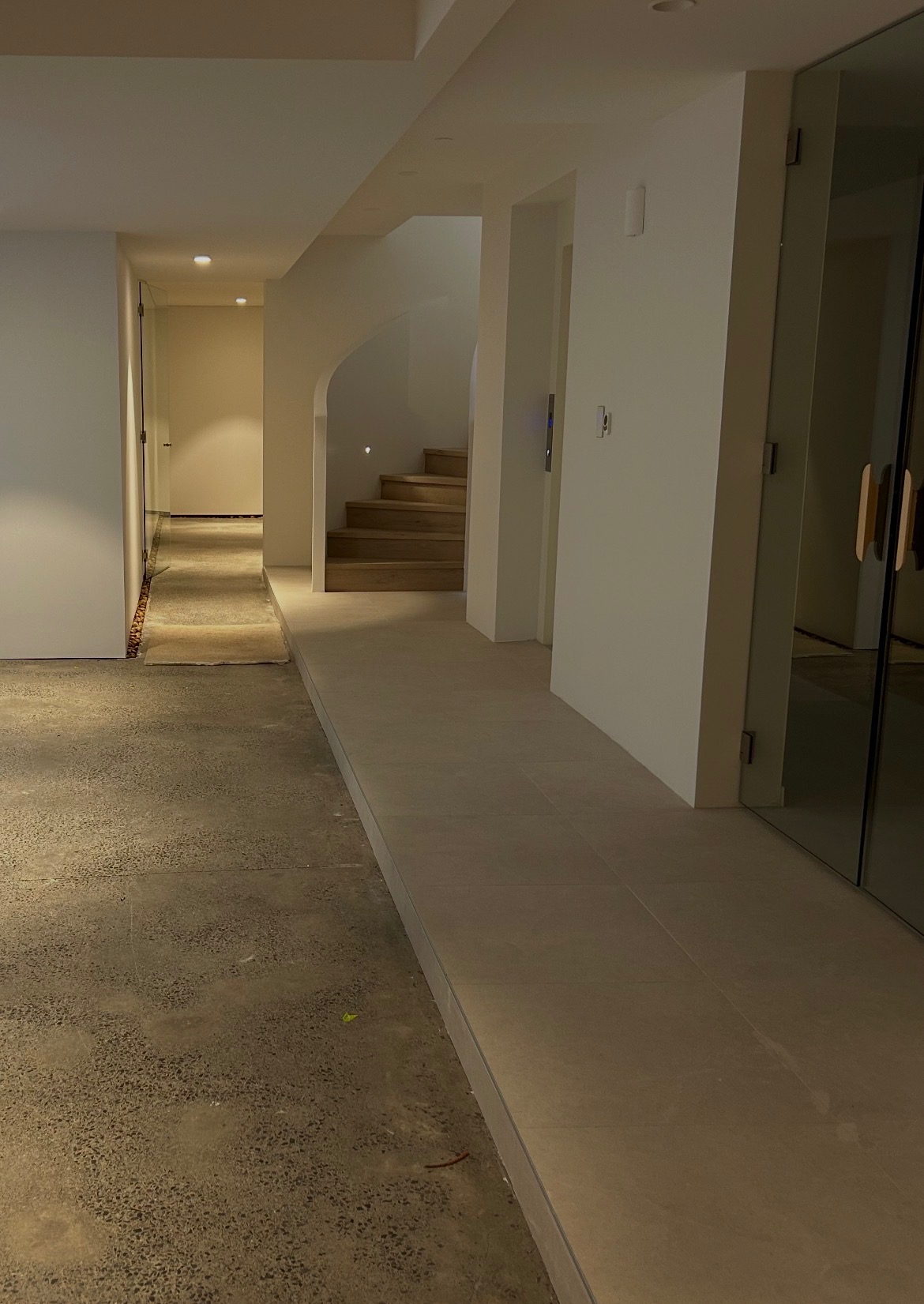
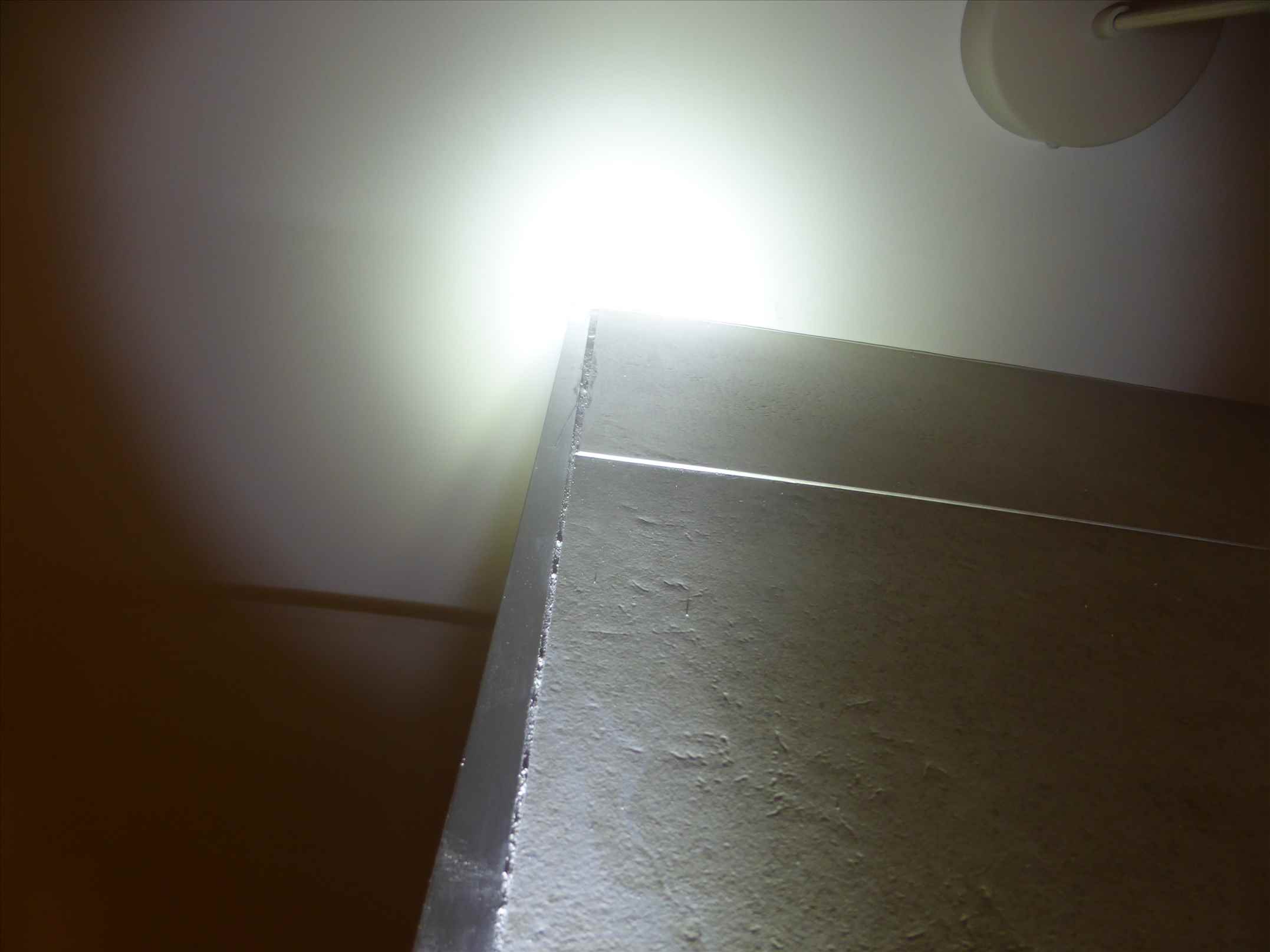
ObservationNo fire-resistant separating wall installed between the basement parking (Class 10a) and the Ground Floor dwelling (Class 1a). On-site inspection confirmed no FRL 60/60/60 wall, no masonry alternative, and no tight-fitting self-closing solid-core door at any of the transitions (stair head, lift landing, or any other doorway). The basement and Ground Floor are effectively open to each other via the spiral stair and lift shaft. Note on the design intent: The Graphio CDC drawings indicate that a glass separation wall in the basement was specified — this was not installed at the time of inspection. The non-compliance applies regardless: a glass separation wall would not by itself satisfy NCC HP H6D1 / H6D2 unless it is rated FRL 60/60/60 fire-resistant glazing with the matching frame and door system. Breaches NCC HP H6D1 / H6D2.

RecommendationObtain written confirmation of non-compliance from a registered Fire Safety Engineer or registered building certifier. Raise the non-compliance with the builder / developer in writing under the statutory warranty provisions of the Home Building Act 1989 (NSW). Rectification scope: FRL 60/60/60 separating construction at every basement-to-dwelling transition; tight-fitting self-closing solid-core doors (≥ 35 mm) at every opening; AS 1735.11 fire-rated lift landing doors. Interim risk management: do not store fuel, LPG cylinders or lithium-ion batteries (e-bikes / e-scooters) in the basement; install interconnected smoke alarms throughout; install a CO monitor at the stair head.

C001C001
B2 Major
p1140671
p1140672
C009
StandardsNCC 2022 HP Part 11.2AS 1170.1 Table 3.3

Internal spiral stair has no handrail

Internal spiral stair — runs through the whole building (Basement → Ground Floor → Upper Level). Filed under Basement as the lowest level the stair serves; finding applies along the entire run.

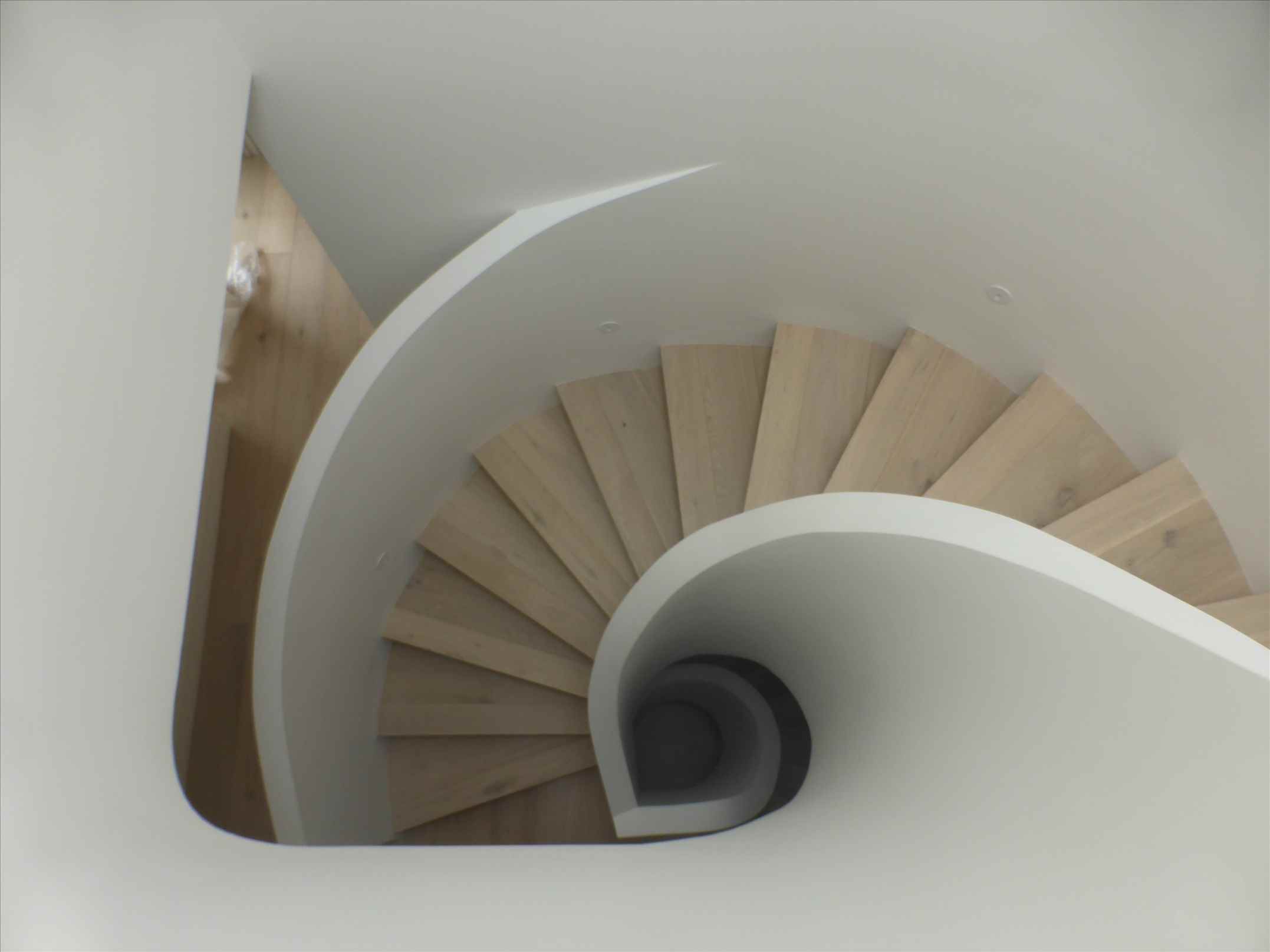
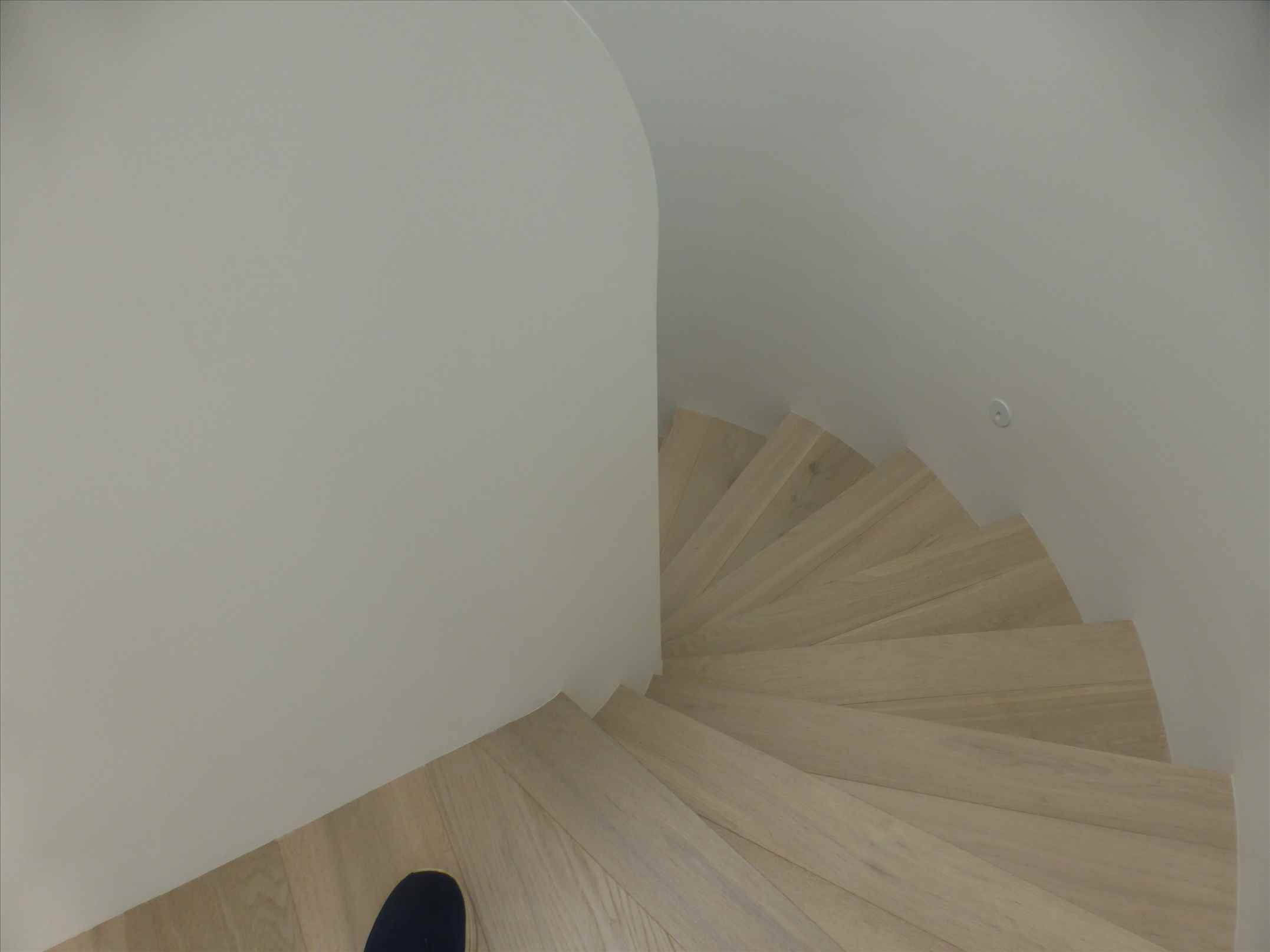
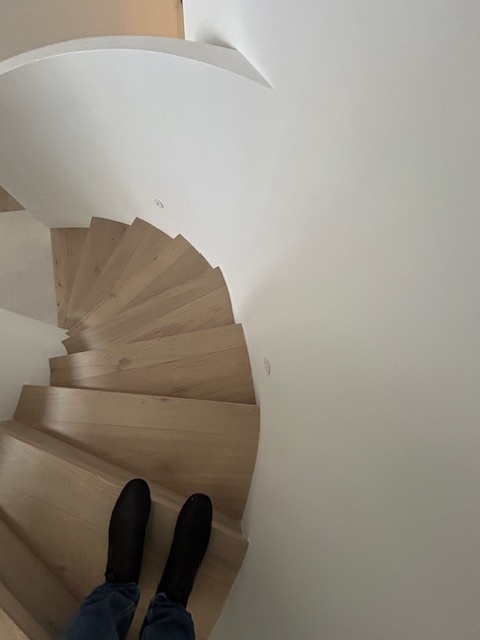
ObservationThe internal spiral stair connecting the Basement, Ground Floor and Upper Level has no handrail installed on either side. NCC 2022 HP Part 11.2 requires a continuous handrail to at least one side of any stairway with five or more risers or where the total rise exceeds one metre — both criteria are met by this stair across each flight. Spiral stairs are particularly hazardous without a handrail because of the narrow inner-edge going: a misstep at the inner edge results in a fall with no graspable element to arrest the slip. Risk applies to all three flights (basement-to-ground, ground-to-upper) and is highest descending.

RecommendationInstall a continuous handrail along the full run of the spiral stair (basement to upper level), to one side, fixed between 865 mm and 1100 mm above the nosing line, with the rail terminating safely at top and bottom landings. Rail to be continuous through the intermediate Ground Floor landing where practicable. Rail profile to be graspable per NCC HP 11.2 (typically 30 – 50 mm diameter circular section, or equivalent profile that allows full hand closure). Fixings must accommodate the design loads in AS 1170.1 Table 3.3.Retain installer's compliance documentation. Builder to confirm that the internal stair treads are compliant with the NCC for finished slip-resistance performance of the tread, nosing, or landing. Compliance is typically demonstrated by testing to AS 4586, with internal stair treads generally needing a P3 rating in dry conditions.

p1140671p1140671
p1140672p1140672
C009C009
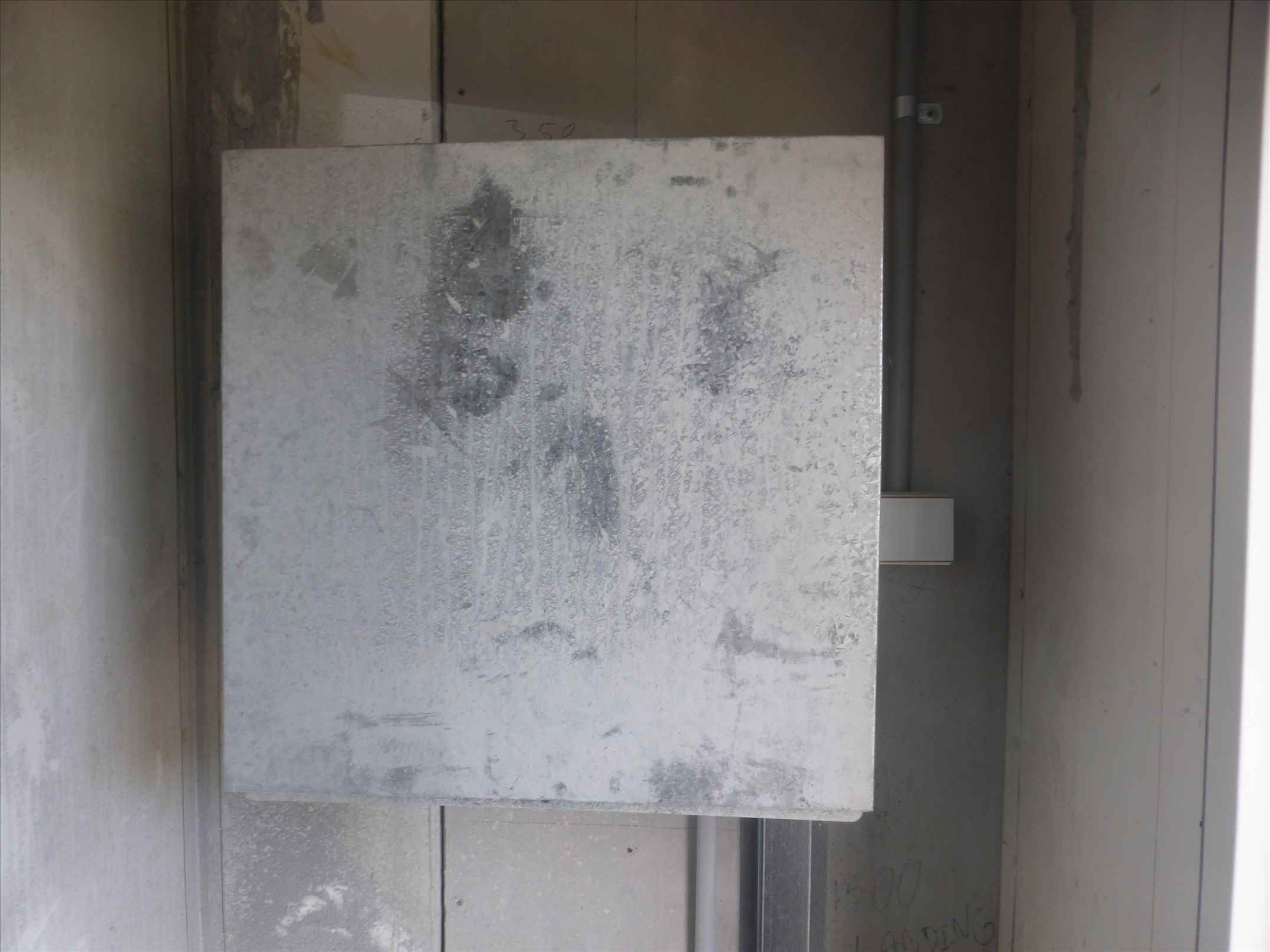
B3 Moderate
p1140559

Historic moisture staining in service / bonding riser

Basement service riser — galvanised panel marked 'BONDING'

ObservationHistoric moisture staining / efflorescence on the galvanised panel and adjacent pipe; streaked staining down the pipe consistent with prior water tracking. No active water observed.

RecommendationInvestigate source (above-slab penetrations, waterproofing at service chase, pipe joint integrity). Confirm any affected electrical equipment is rated for the exposure; verify equipotential bonding integrity (licensed electrician scope).

p1140559p1140559
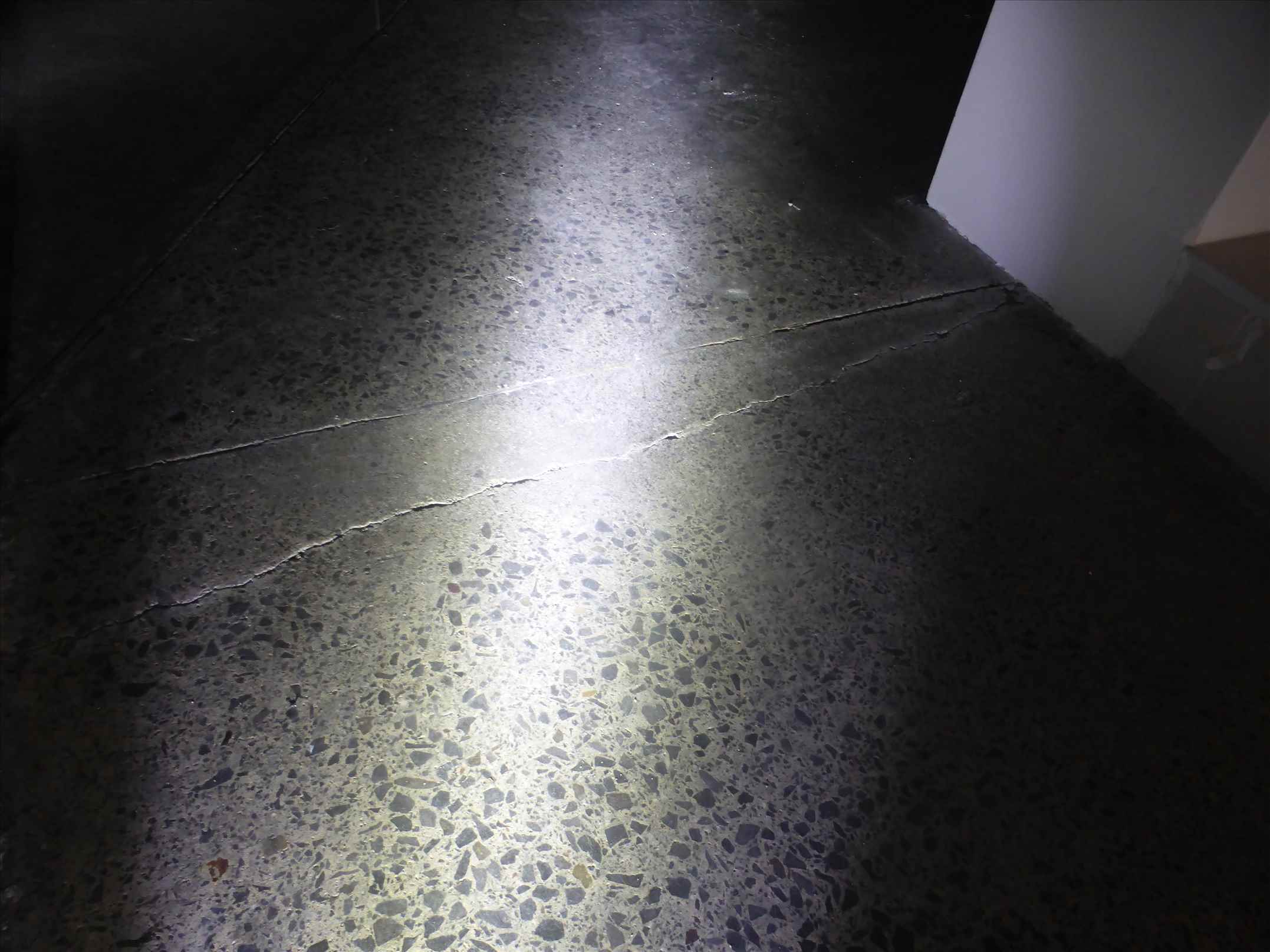
B4 Moderate
p1140571

Cracks in polished concrete floor slab

Basement parking floor — polished concrete finish

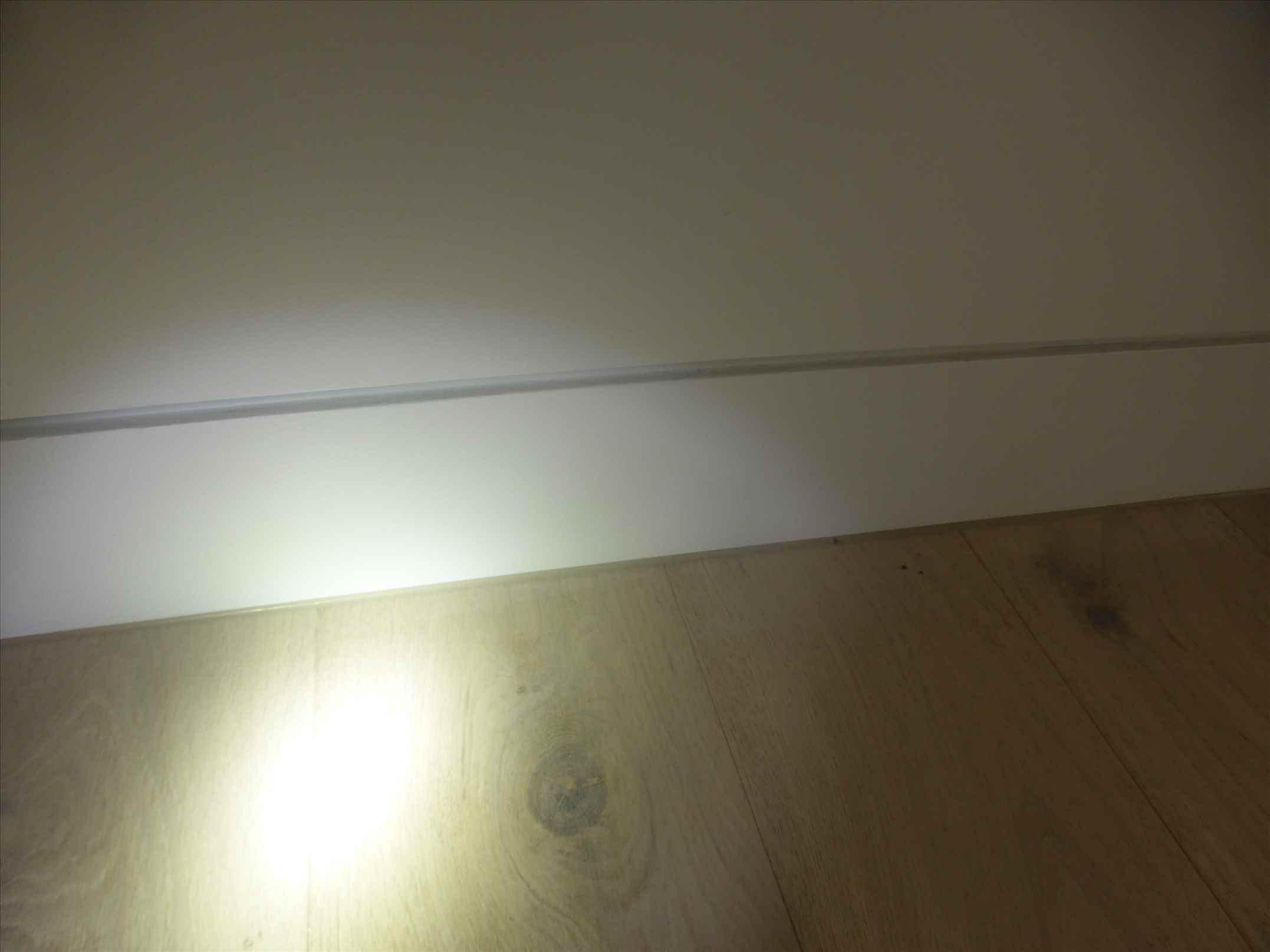
ObservationMultiple linear cracks are visible across the polished slab; widths cannot be measured from the photograph but exceed a hairline (>0.3 mm). Consistent with uncontrolled drying-shrinkage cracking or cracking at inadequate control joints. Grinding and polishing of the slab is also extremely poor — the floor shows numerous scour marks and stains, and the slab has not been sealed. The combination of multiple cracks and an unsealed, poorly-finished surface accelerates water and contaminant ingress into the slab.

RecommendationMeasure each crack with a crack-width gauge; install tell-tale monitors and observe over 3 – 6 months. If >0.3 mm and stable, consider epoxy injection. If active or >1.0 mm, engage a structural engineer. Independently, have the slab re-ground / re-polished and sealed to a finish appropriate to a basement-parking environment.

p1140571p1140571
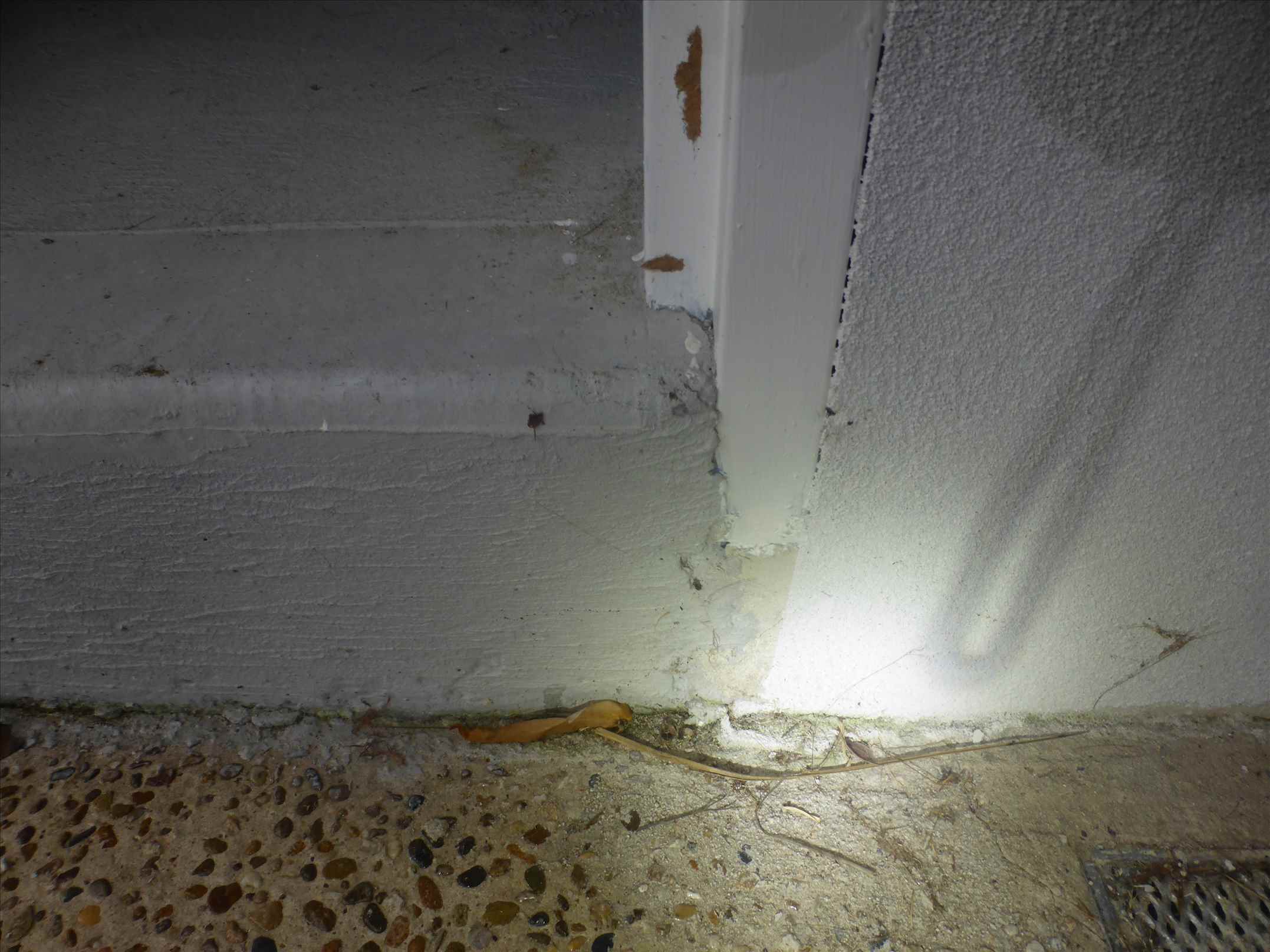
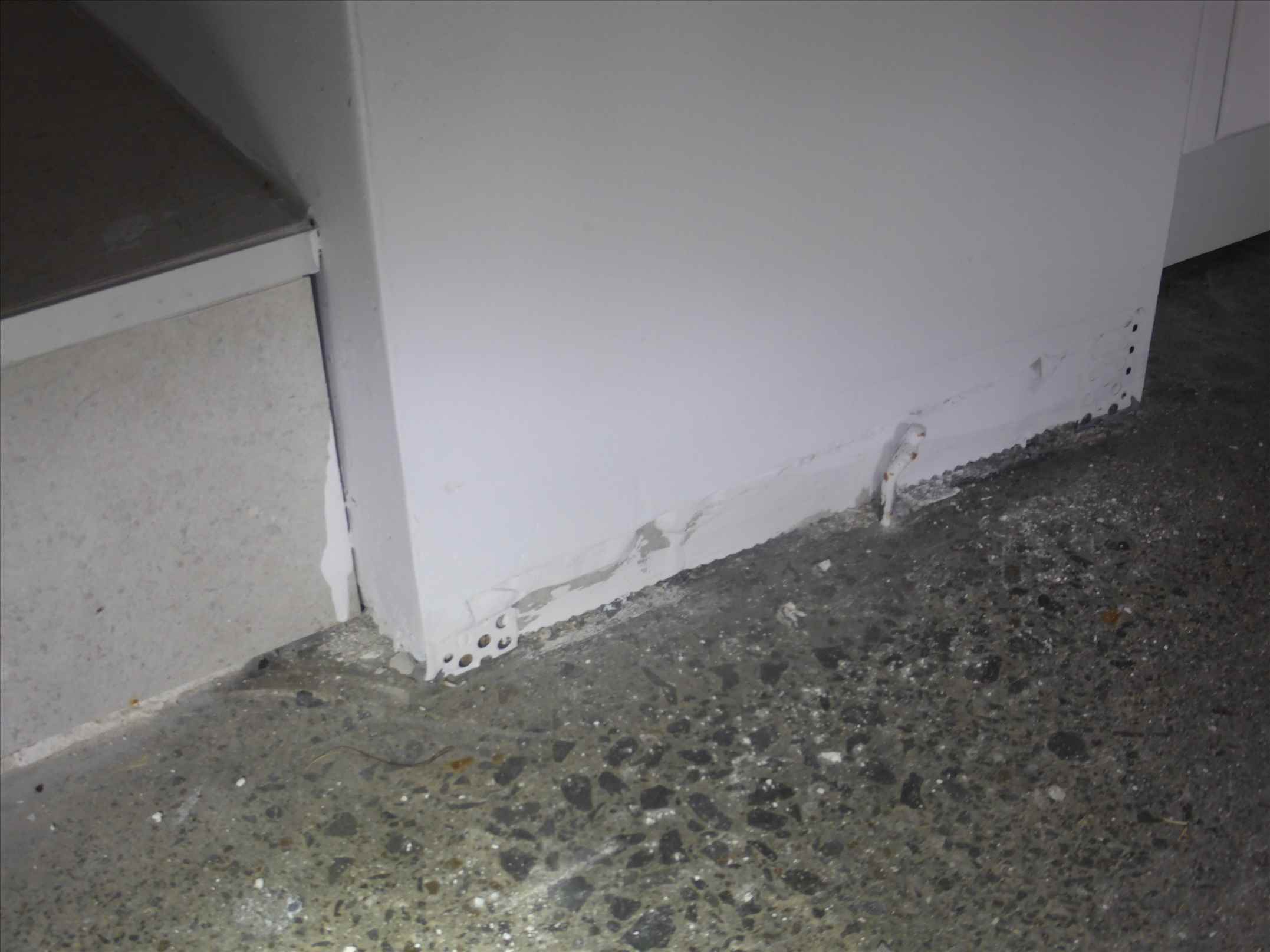
B5 Moderate
p1140575
p1140579
p1140789
p1140582

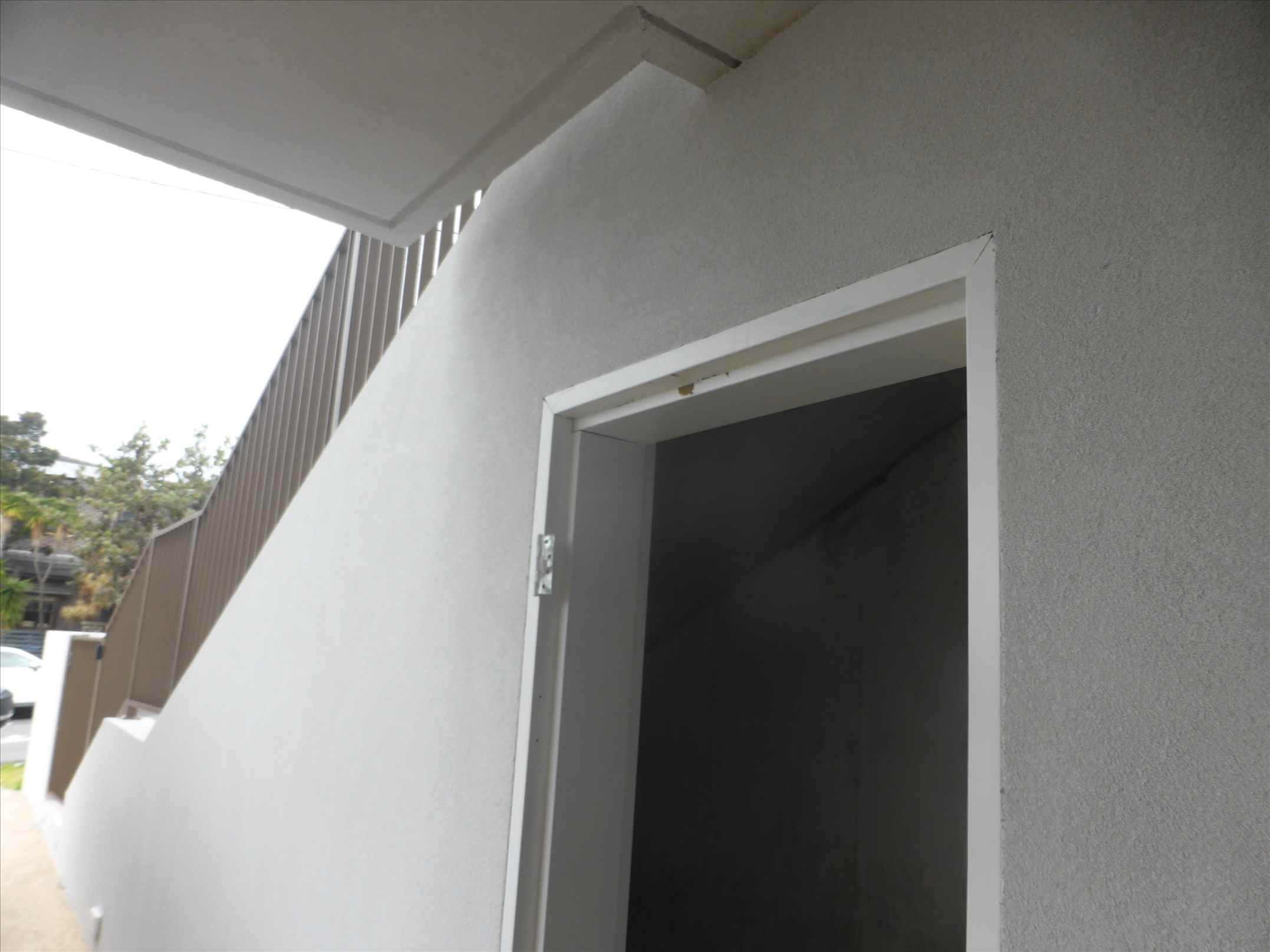
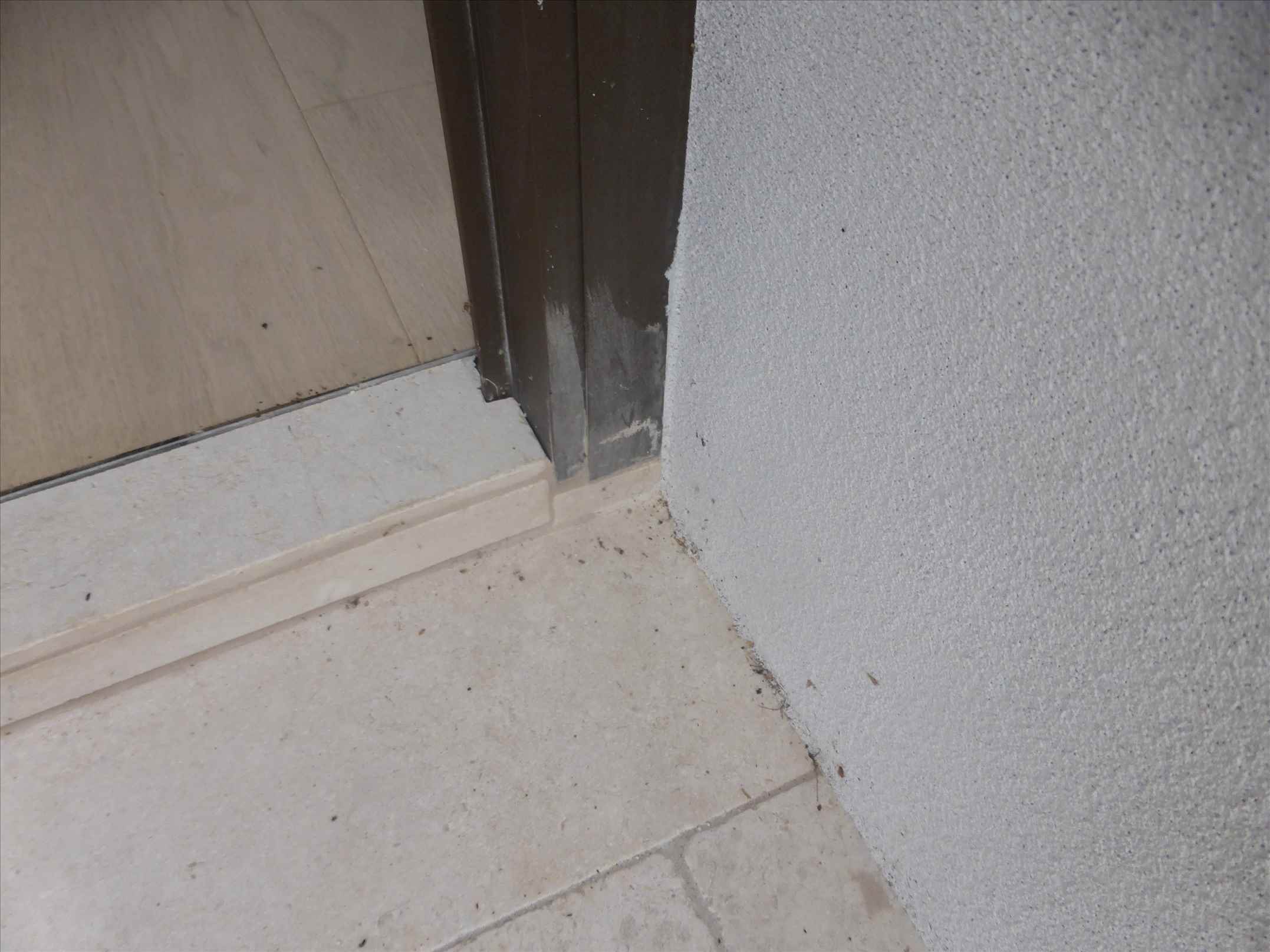
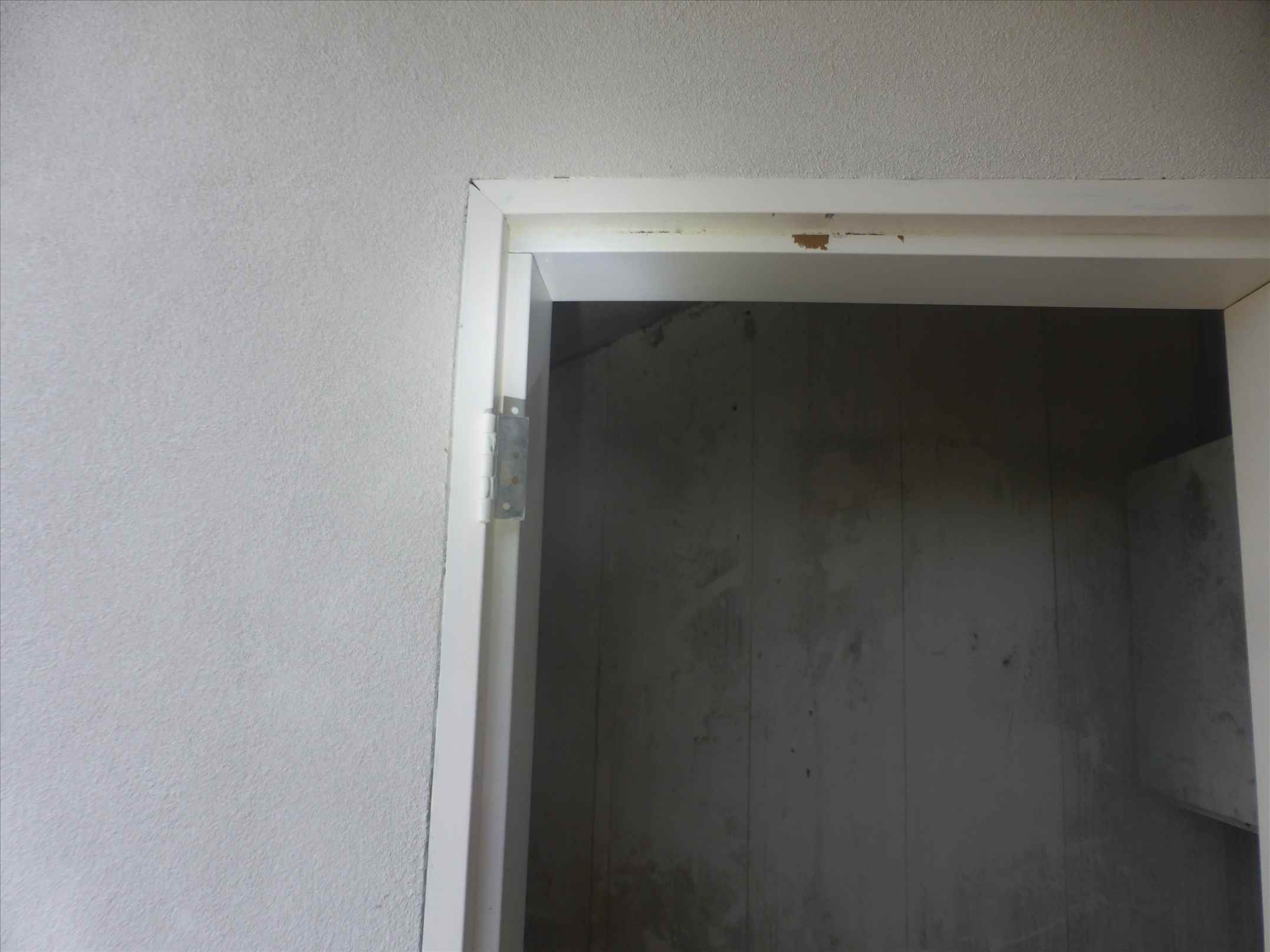
Rust through external door jamb; poor adjacent finishing; missing under-stair door leaf; door frame grouting to confirm

External basement doorway and adjacent under-stair door opening

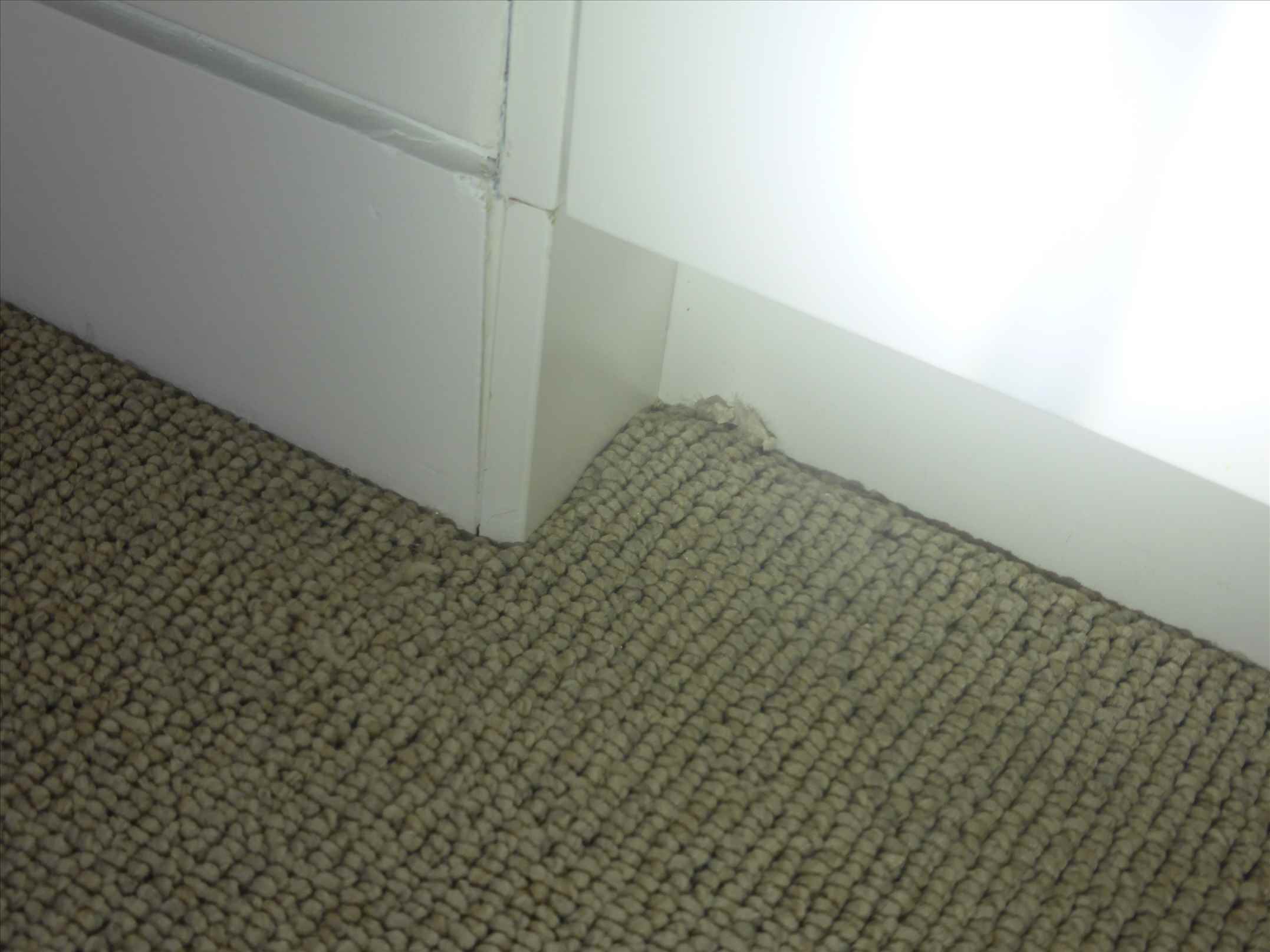
ObservationRust-coloured staining bleeding through the painted external door jamb finish, consistent with corrosion of embedded steel, fixings or a steel lintel behind the paint. Crack at the render-to-jamb interface. The lower gyprock wall adjacent to the door is very poorly finished (refer p1140582 — typical along party wall, plasterboard not set against the basement joinery cupboard). The under-stair door leaf has not been installed — the opening is present but the door is missing and there is still in place within the internal store space. Door frame appears not to be grouted — to be confirmed on site and grouted if required.

RecommendationStrip back paint at the rusting jamb; identify and remediate the corroding element; apply a paint system complying with AS/NZS 2312.1 for the exposure class; re-seal the render / jamb junction. Re-finish the adjacent lower gyprock wall to a Level 4 finish per AS 2589.1. Install the missing under-stair door leaf and lockset. Confirm door-frame grouting and grout if absent.

p1140575p1140575
p1140579p1140579
p1140789p1140789
p1140582p1140582
B6 Minor
p1140574
p1140580
p1140581

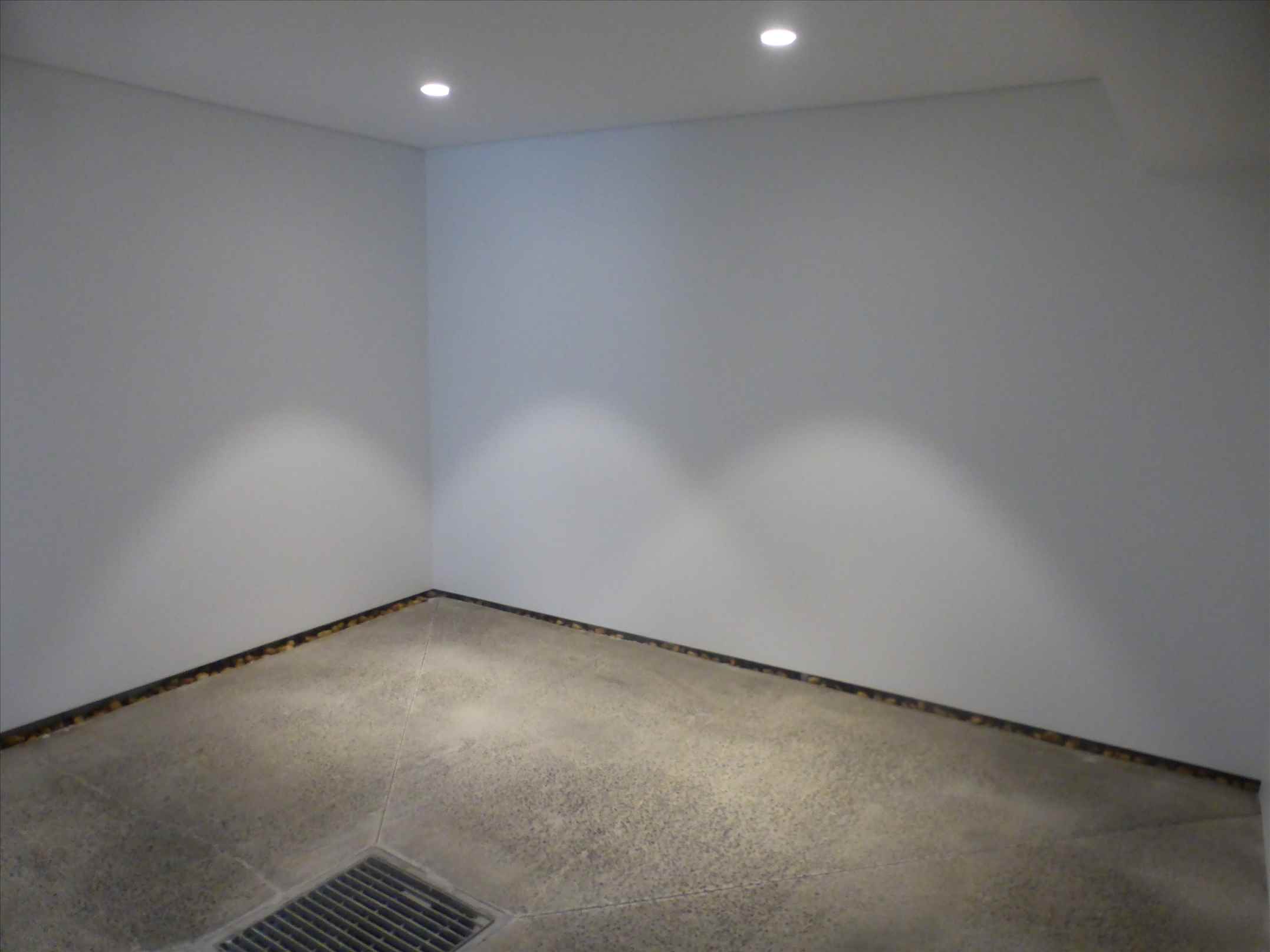
Basement rear store room — passive ventilation acceptable; disconnected A/C diffuser to be commissioned

Basement rear store room — non-habitable storage not noted on CDC 3.00 p1140580; frameless glass door with ~approx10 mm perimeter gap behind spiral-stair void p1140574; ceiling-mounted A/C diffuser visible but not connected to a supply duct. An A/C control panel is also located within this storeroom.

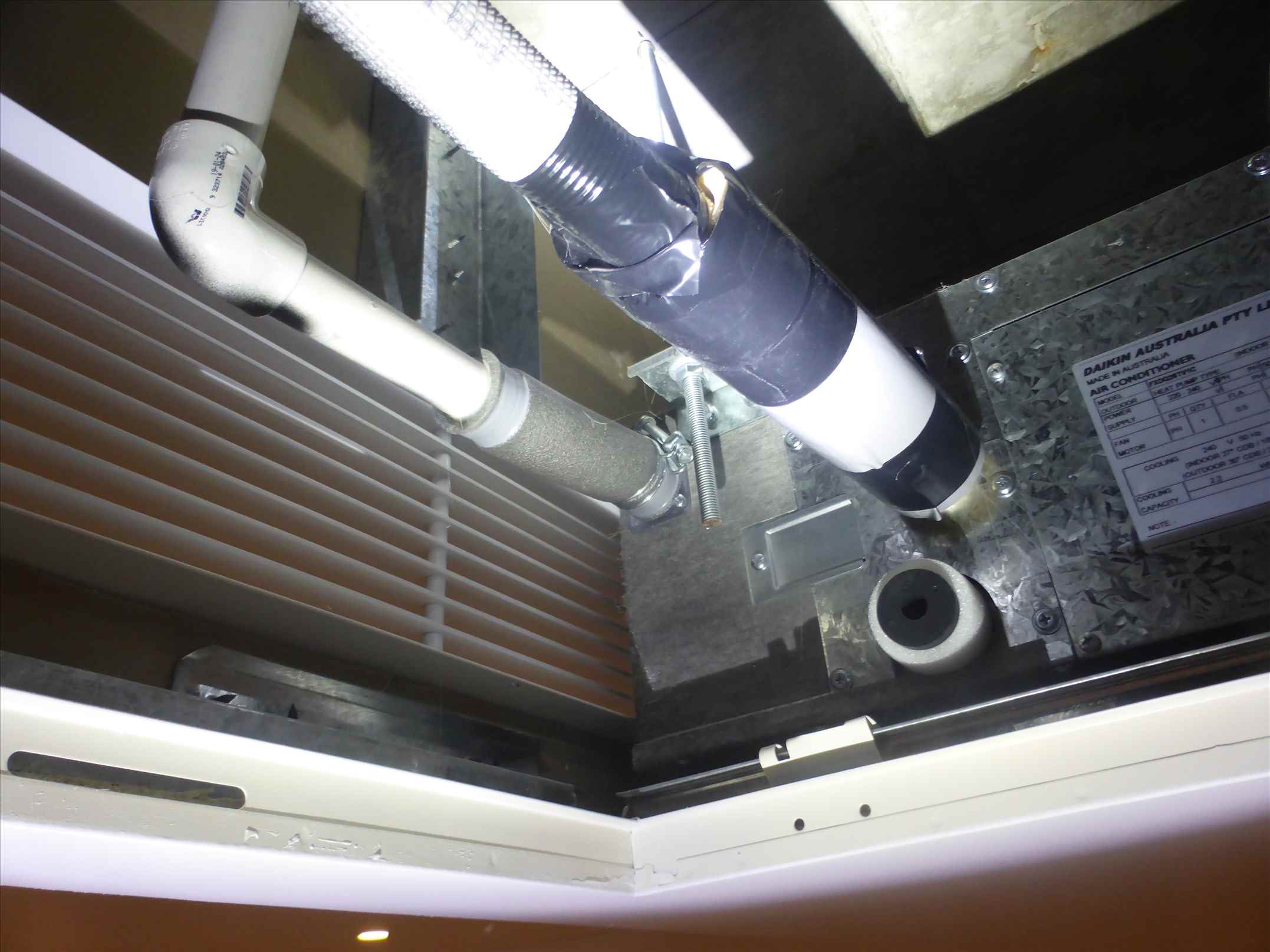
ObservationThe basement rear store room is a non-habitable storage space. Passive ventilation is provided by an approximately 10 mm gap at the bottom of the frameless glass door, opening to the spiral-stair void. This is sufficient for a non-habitable storage use under NCC HP H4P5 — the 5% natural-ventilation rule of H4D5 / Part 10.6 applies to habitable rooms and does not extend to storage spaces. Two items are noted on the room: (a) Ventilation provision — acceptable. The 10 mm door gap to a ventilated adjoining space (the spiral-stair void, which connects to the dwelling above) provides passive air exchange consistent with non-habitable storage use. No rectification required for the ventilation itself, provided the room is not used to store hazardous materials such as LPG cylinders, fuel, or lithium-ion batteries. (b) Disconnected A/C diffuser — workmanship defect requiring rectification. A ceiling-mounted A/C diffuser is visible inside the room (p1140581) but the rear of the diffuser is not connected to any supply duct (p1140580). The diffuser delivers zero air to the space. Together with the A/C control panel located in the same room, the design intent is clearly for the storeroom to be conditioned. The half-installed state is unfinished trade work.

Recommendation(1) Ventilation: no action required for the ventilation provision itself; advise the occupier not to use the room for storage of LPG cylinders, fuel or lithium-ion batteries. (2) A/C diffuser: engage the builder / mechanical contractor to complete the duct connection and demonstrate the ducted supply is operating correctly. Removal of the diffuser is not an acceptable outcome given the A/C control panel installed in the same room.

p1140581p1140574
p1140580p1140580
p1140581p1140581
B7 Minor
p1140558

Remove redundant formwork; unfinished membrane termination

Basement retaining wall — upper edge / horizontal construction joint with upper slab

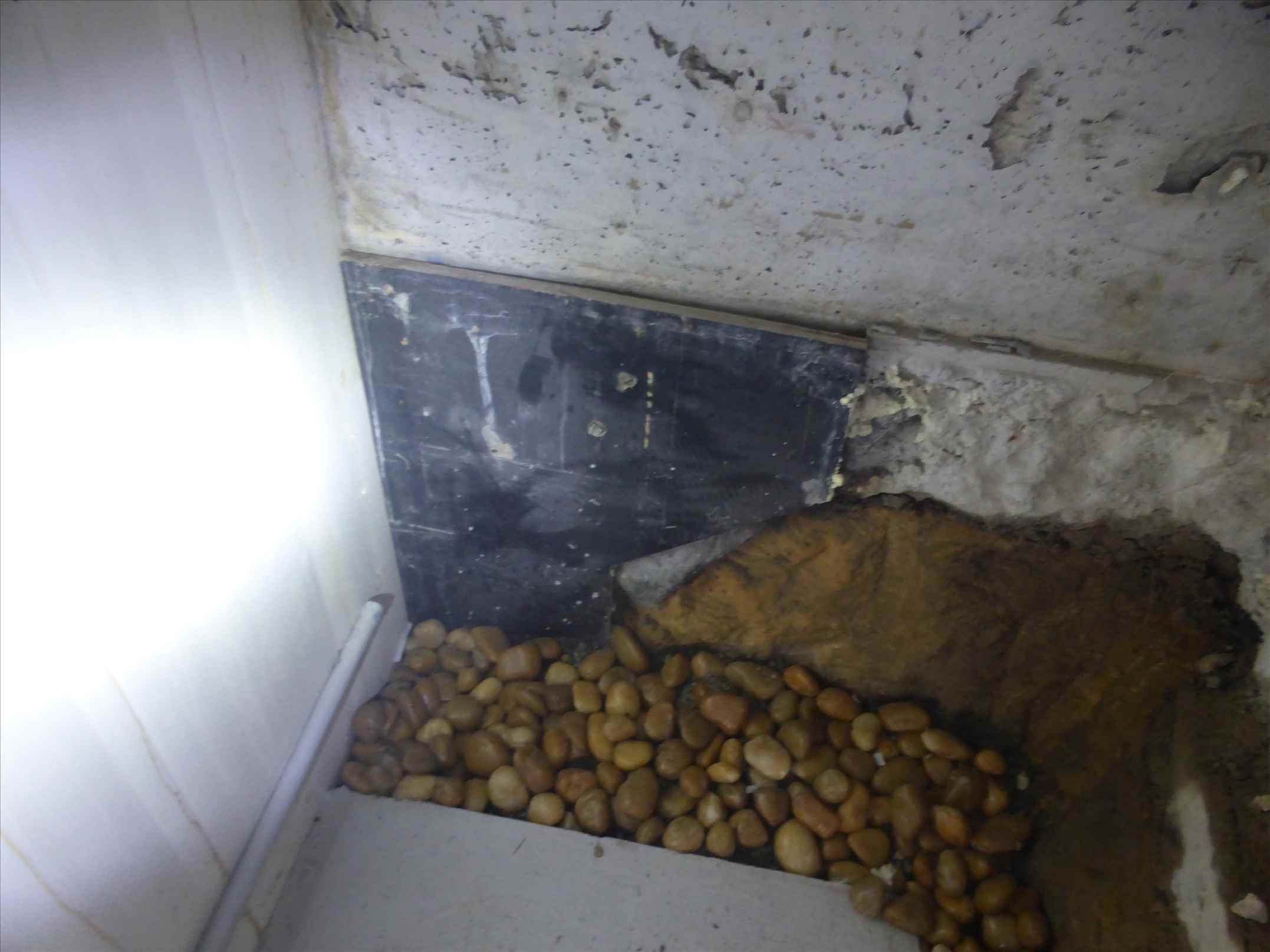
ObservationRedundant formwork remains in place against the basement retaining wall. Black waterproofing membrane is visible with unrendered concrete surround, and the surrounding concrete shows honeycombing (voids where aggregate is not properly encased in paste). The protective cover to the membrane termination is absent in this area.

RecommendationRemove redundant formwork. Make good the honeycombed concrete; reinstate protective cover / flashing to the membrane termination per the manufacturer's installation details; verify membrane continuity in the affected area.

p1140558p1140558
B8 Minor
C008
p1140563

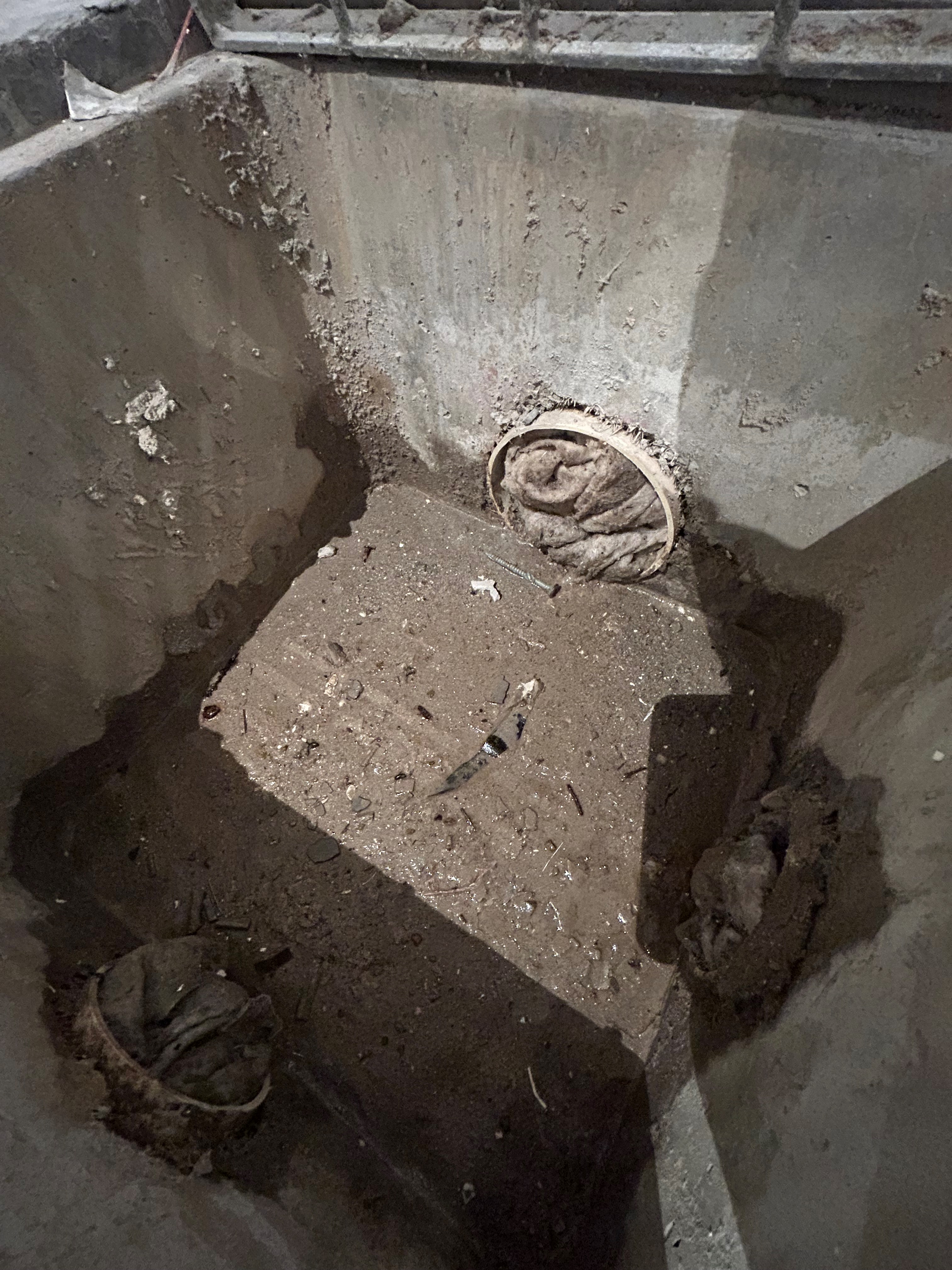
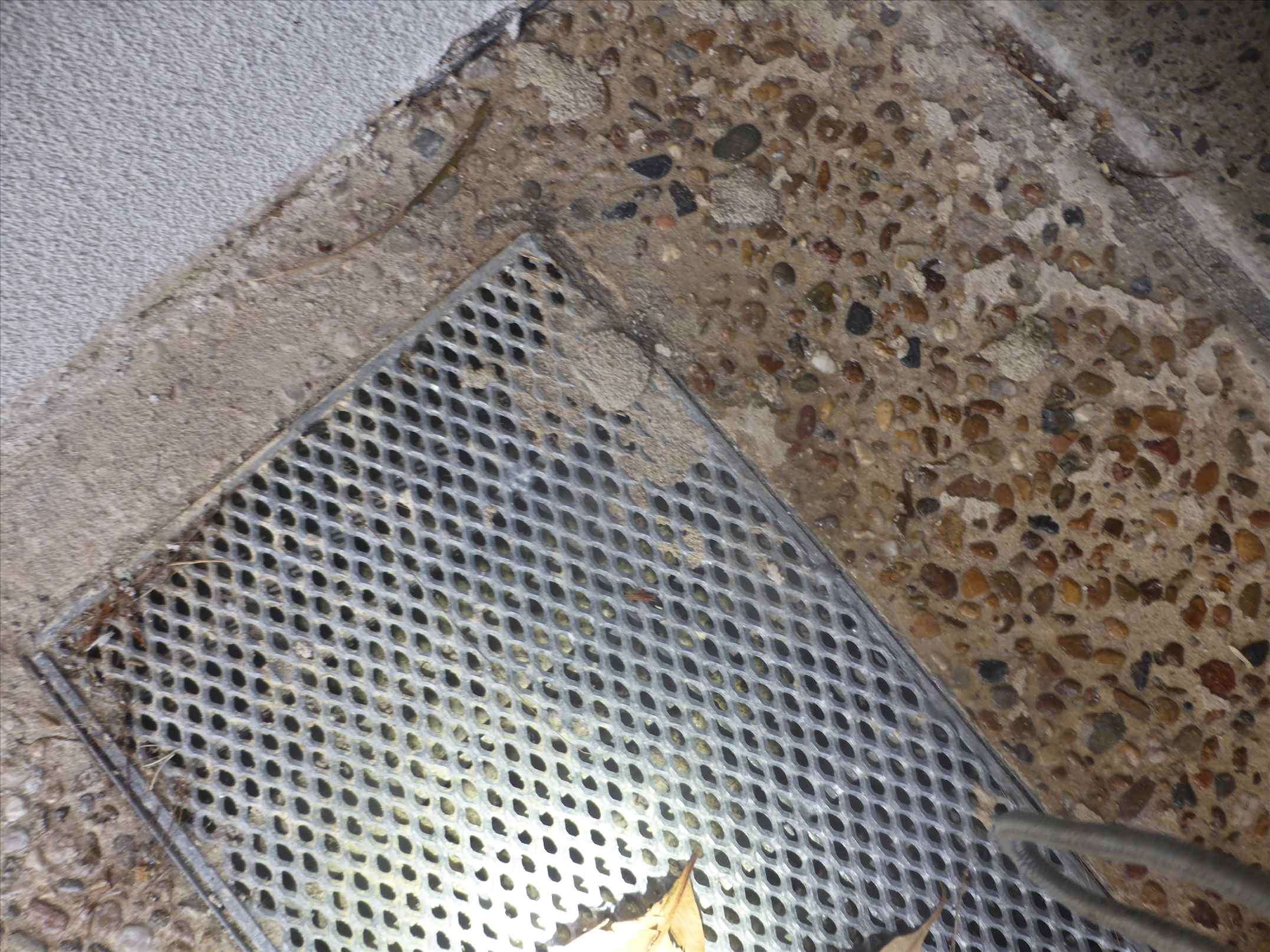
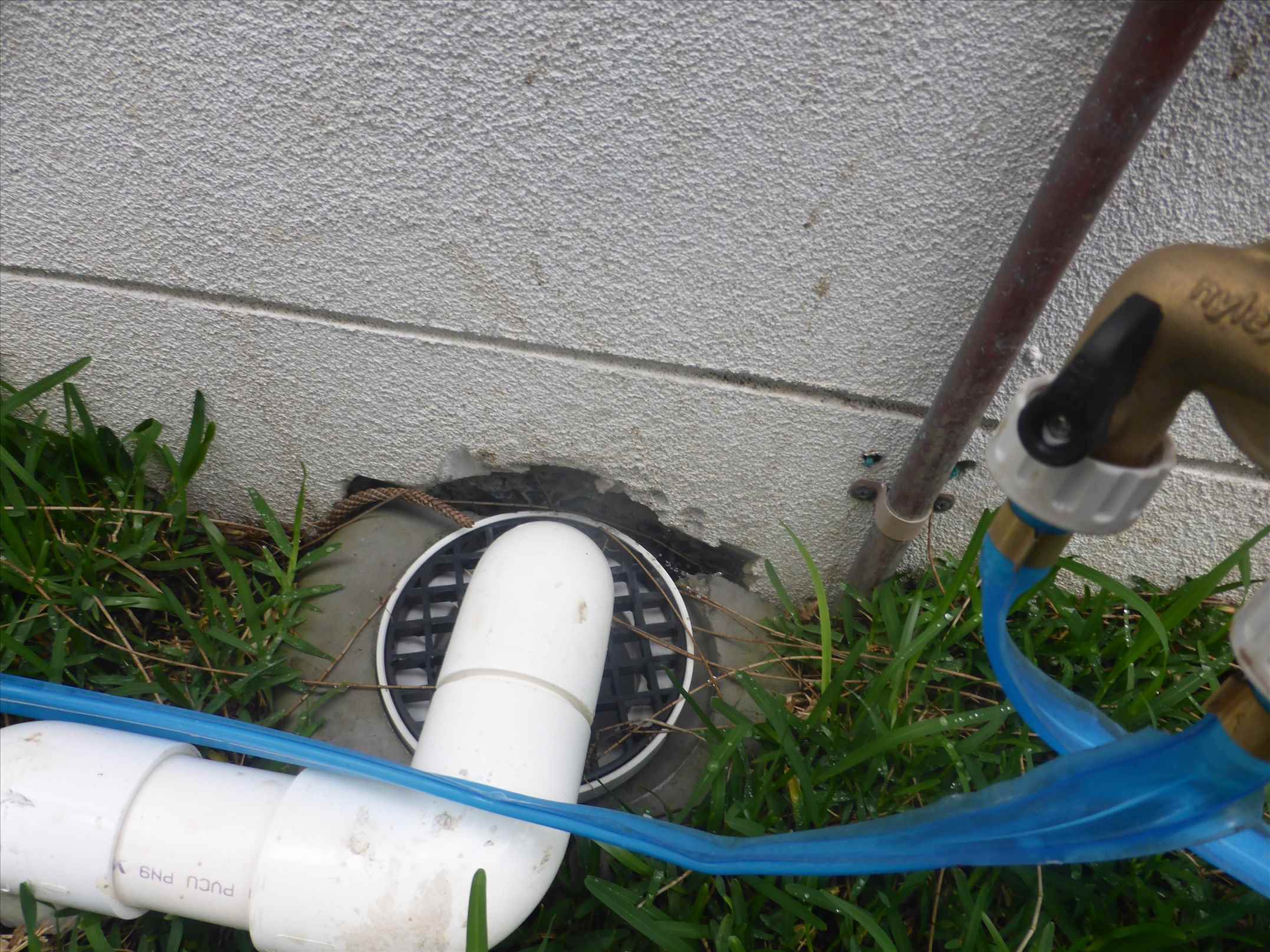
Excess concrete around drainage grate; delaminated slab paving; geofabric blockage in storeroom drains

External drainage pit at basement level. Detail is typical of the lined strip grate at the garage panel-lift door and at all internal grated drains — not isolated to the photographed location.

ObservationExcess concrete / spillover around the drainage grate, with adjacent slab paving showing delamination. Organic debris accumulated in the pit. In addition, three drainage pipes inside the basement storeroom have been physically blocked by geofabric inserted into the pipe ends — apparent intentional blockage that requires investigation as it defeats the storeroom drainage system. Refer additional photo C008 which shows the pit interior with all three pipe ends visibly stuffed with geofabric balls and excess concrete and debris within the pit body.

RecommendationMake good the excess concrete and delaminated paving; confirm the grate is securely retained and of the appropriate class; schedule regular cleaning. Investigate and remove the geofabric blockage from the storeroom drainage pipes; confirm with the builder why the geofabric was installed and whether the storeroom drains are intended to be active. Verify drainage discharge across all grated drains in the basement (typical detail).

C008C008
p1140563p1140563
B9 Minor
C010
p1140567
p1140568

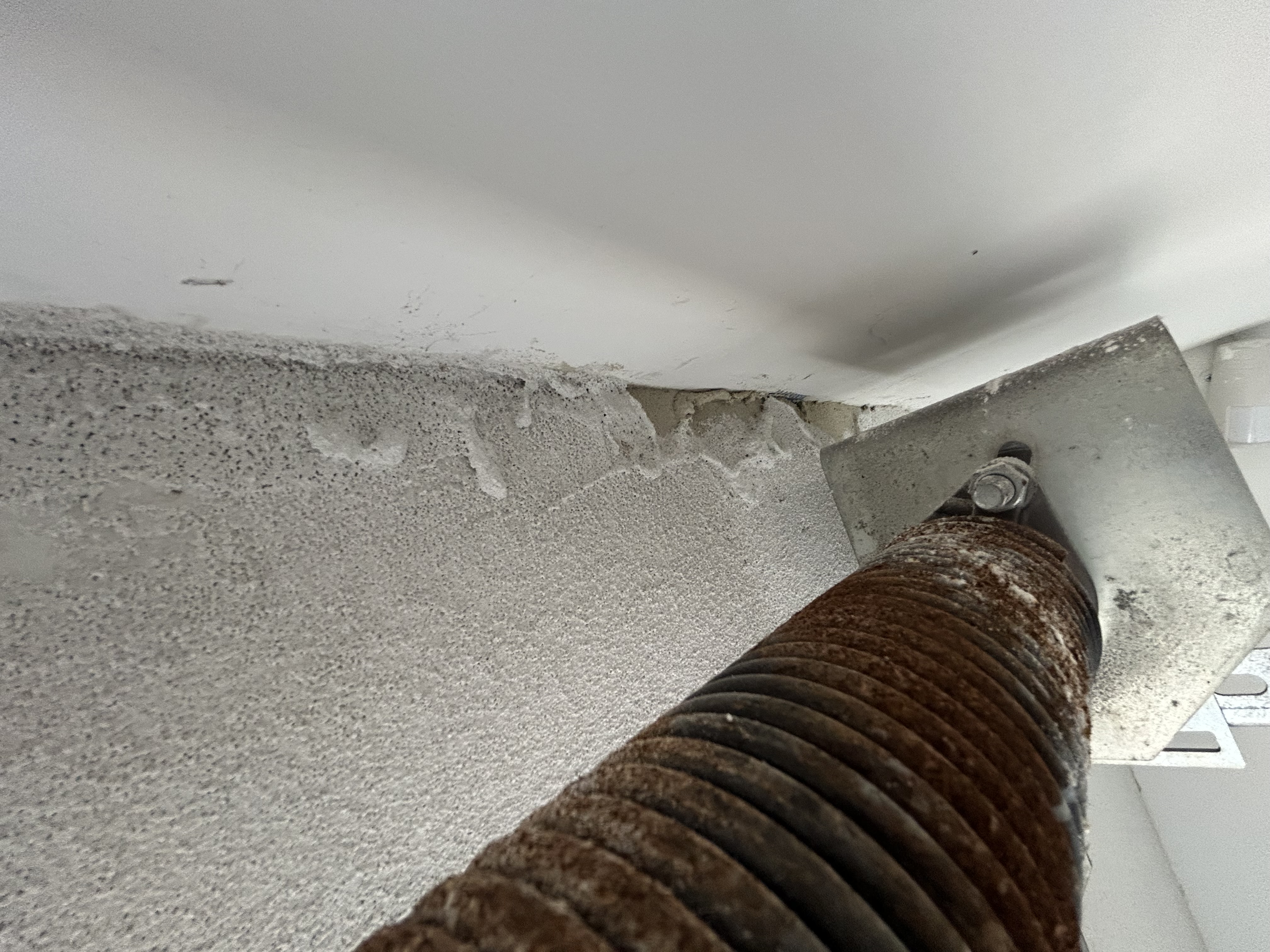
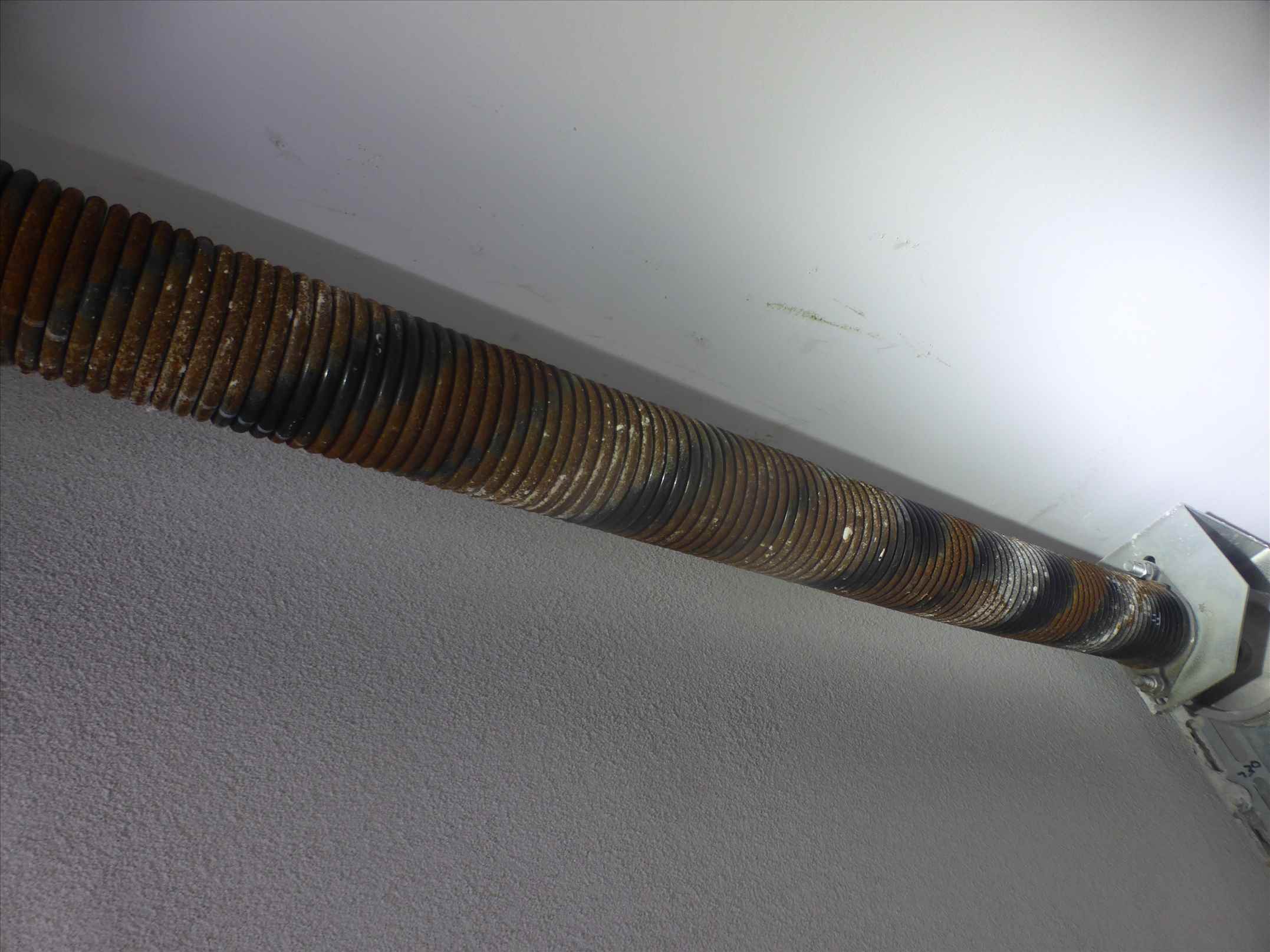
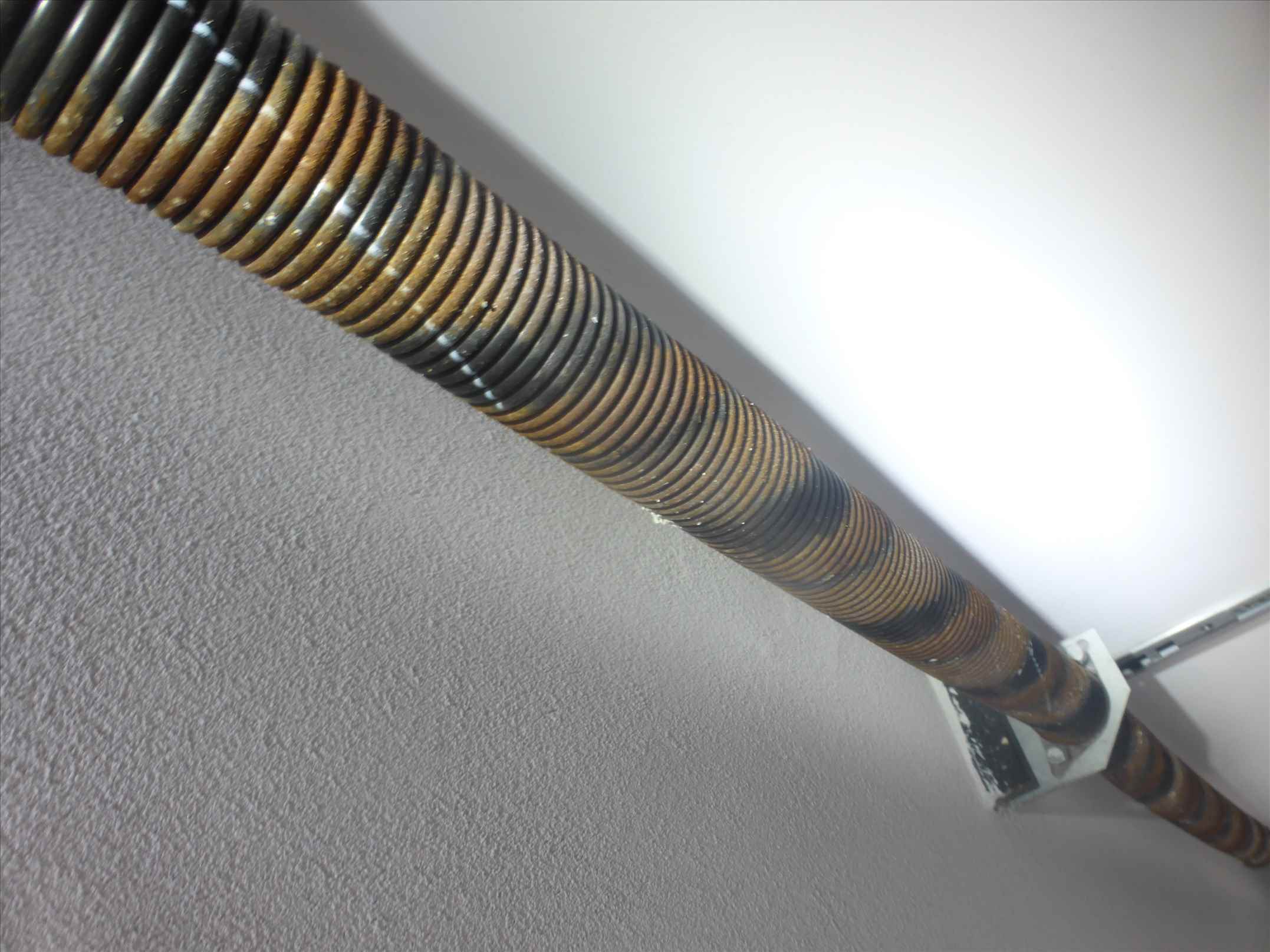
Corrosion staining on garage-door operating spring; poor render finish behind the assembly

Basement garage — overhead garage-door operating spring assembly

ObservationThe garage-door torsion / operating spring exhibits rust-coloured staining along its length, indicating early corrosion of the spring or its fixings. Springs are sacrificial wear components; corrosion accelerates fatigue and shortens service life. The acrylic render behind the garage-door operating spring is poorly finished (refer additional photo C010) — the area sits behind the spring assembly and was clearly not given a finishing pass.

RecommendationSchedule a service by a licensed garage-door technician; clean and lubricate the spring assembly; replace the spring at the technician's recommendation if corrosion is past surface-level. Make good the acrylic render behind the spring assembly to a sound finish. Note for future maintenance.

C010C010
p1140567p1140567
p1140568p1140568
Level 2 — Ground Floor16 findings·5 Major·7 Moderate·4 Minor / Verify
G1 Major
p1140688
p1140696
StandardsAS 1288AGGA Glass Balustrade Accreditation Scheme (E1)NSW Pool Barrier Certifier schemeSwimming Pools Act 1992 (NSW)

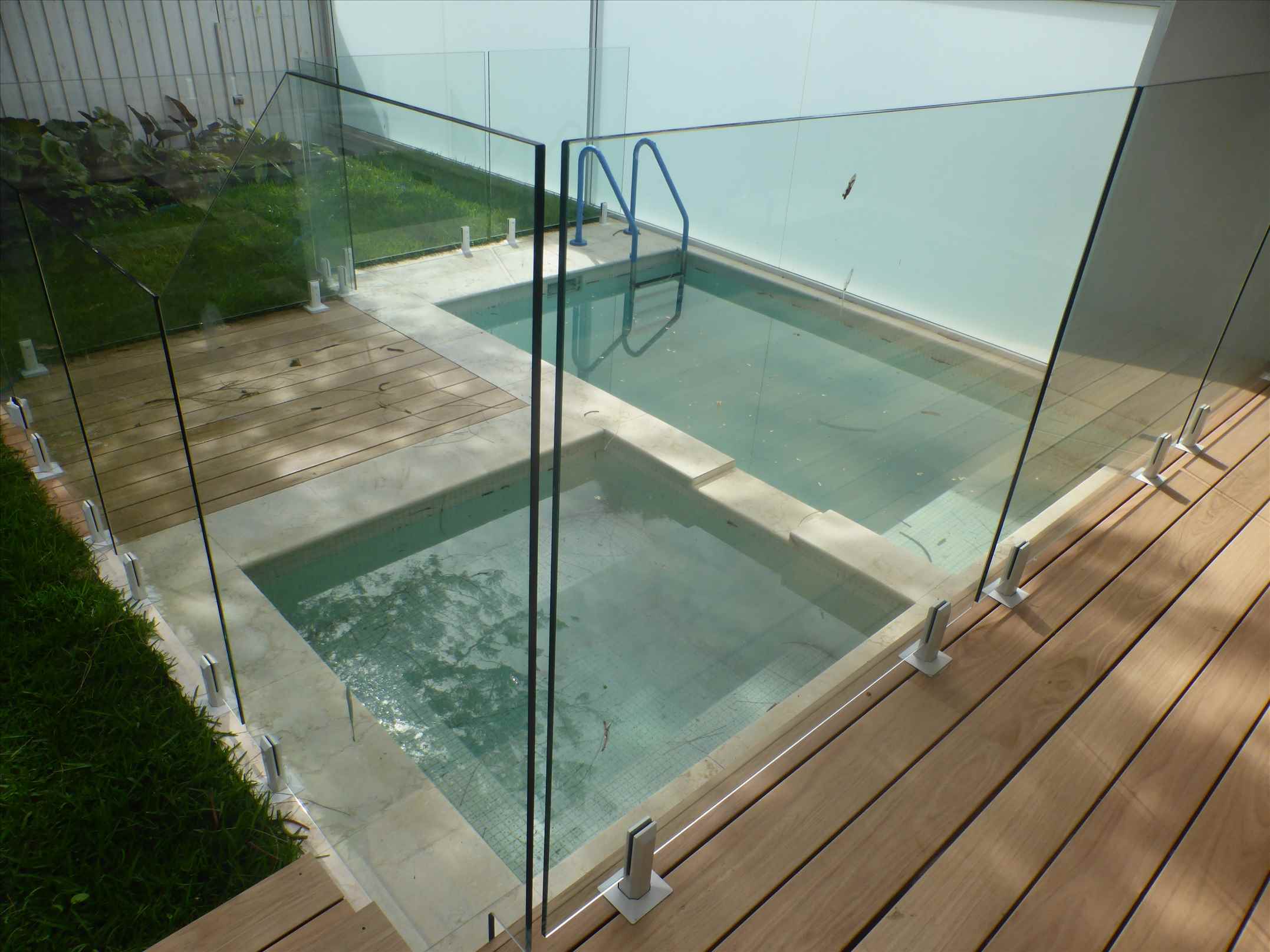
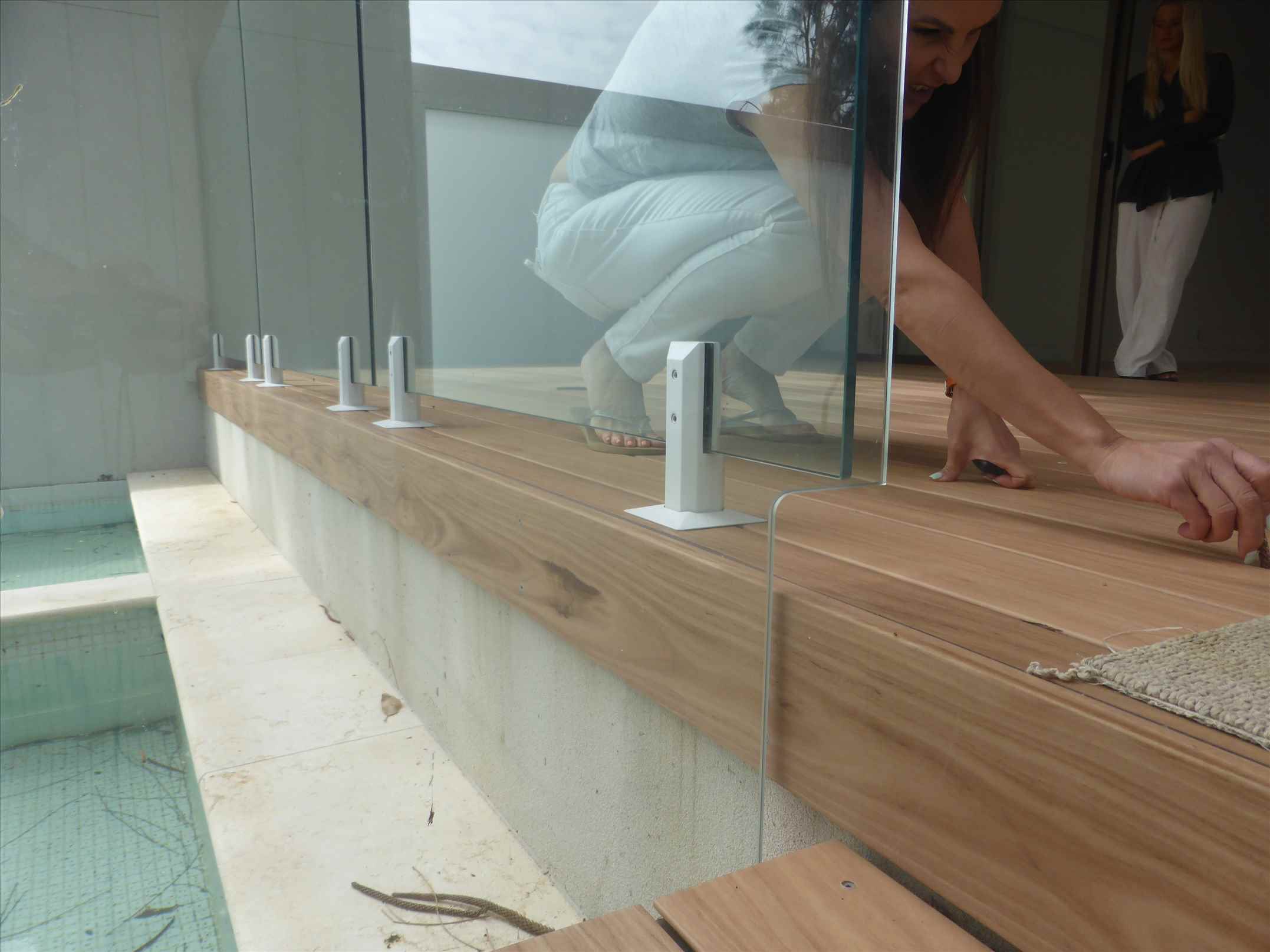
Pool-barrier glass panels exhibit excessive lateral flex

Ground Floor pool area — west side; rectangular pool with integrated plunge / spa

ObservationPool-barrier glass panels are fixed via base spigots (brand: Minrell) with no integrated capping rail on the pool-side panels. Under manual load applied to the panel face, the panels show significant lateral flex (p1140696). Inconsistent with AS 1288 retention requirements for systems without an integrated capping rail — monolithic toughened glass panels fixed by point fixings / spigots generally require a continuous integrated capping rail unless a recognised non-capping-rail system is installed and certified under an accredited scheme (AGGA E1).

RecommendationReplace with an E1-certified base-mounted glass balustrade / pool-fence system (independently accredited under the AGGA Glass Balustrade Accreditation Scheme to Energy Class E1). Verify Grade A safety glass marking on each panel; panel thickness, height and spigot spacing match the manufacturer's certified system tables under AS 1288; effective barrier height ≥ 1200 mm above the finished surface; gap from panel base to surface ≤ 100 mm; gap between adjacent panels ≤ 100 mm; non-climbable zone (NCZ) requirements met. Obtain a Certificate of Compliance from an accredited NSW Pool Barrier Certifier; re-register on the NSW Swimming Pool Register before pool use.

p1140688p1140688
p1140696p1140696
G2 Major
C001
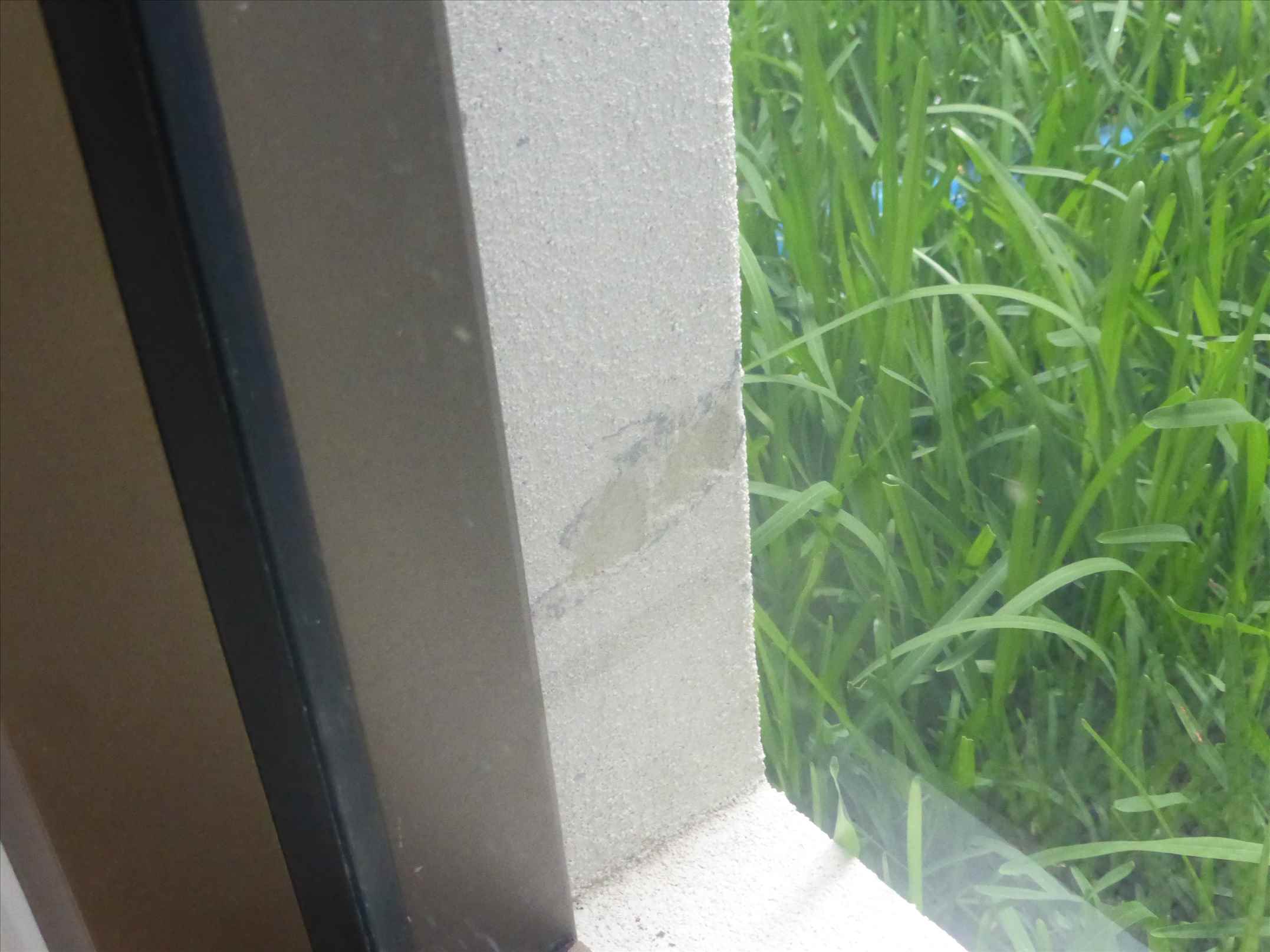
StandardsNCC HP H6D1 / H6D2AS 1735.11

Fire separation to basement parking — Ground Floor cross-reference

Ground Floor side of the separating floor and walls between the dwelling and the basement parking

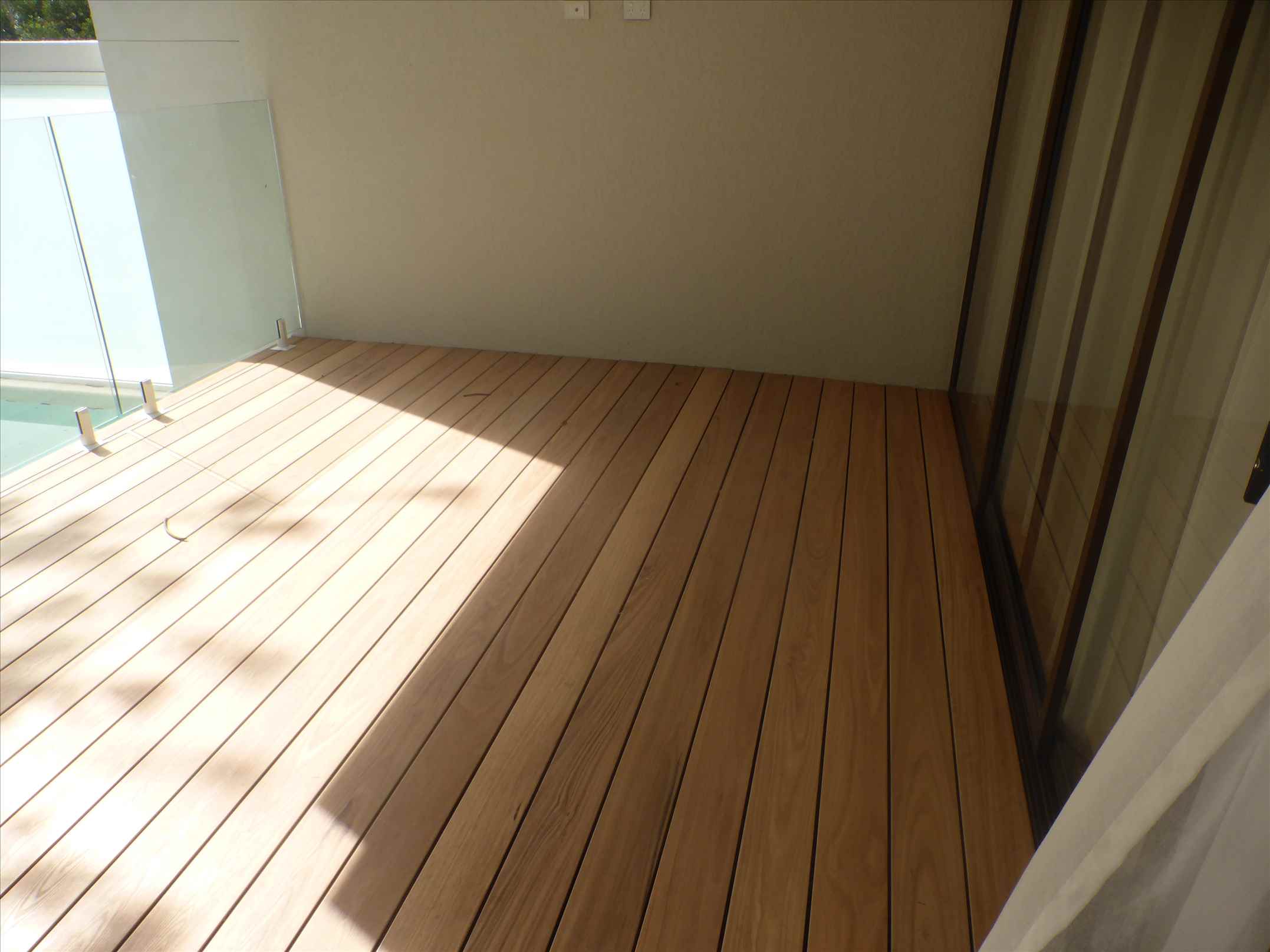
ObservationSame finding as B1, documented as a cross-reference for the Ground Floor scope. The required FRL 60/60/60 separation, masonry alternative, and tight-fitting self-closing solid-core doors are all absent (refer additional photos C001). The basement and Ground Floor are effectively open to each other via the spiral stair and lift shaft. Graphio CDC drawings indicate a glass separation wall was specified for the basement; it was not installed at the time of inspection.

RecommendationSee B1 for full rectification scope, implications for the purchaser, and interim risk-management actions. Rectification must cover the Ground Floor side of the separation (floor slab, stair-head enclosure, lift landing door) in addition to the basement side.

C001C001
G3 Major
p1140758
p1140759
p1140761
p1140774
StandardsAS 2047:2014NCC HP Part 7.5

NW-facing external entry door threshold — wind-driven rain ingress, paint / frame damage and floor abrasion

NW-facing external entry door at Ground Floor (door, sill area, and abutting floating timber floor and with no expansion joint provision)

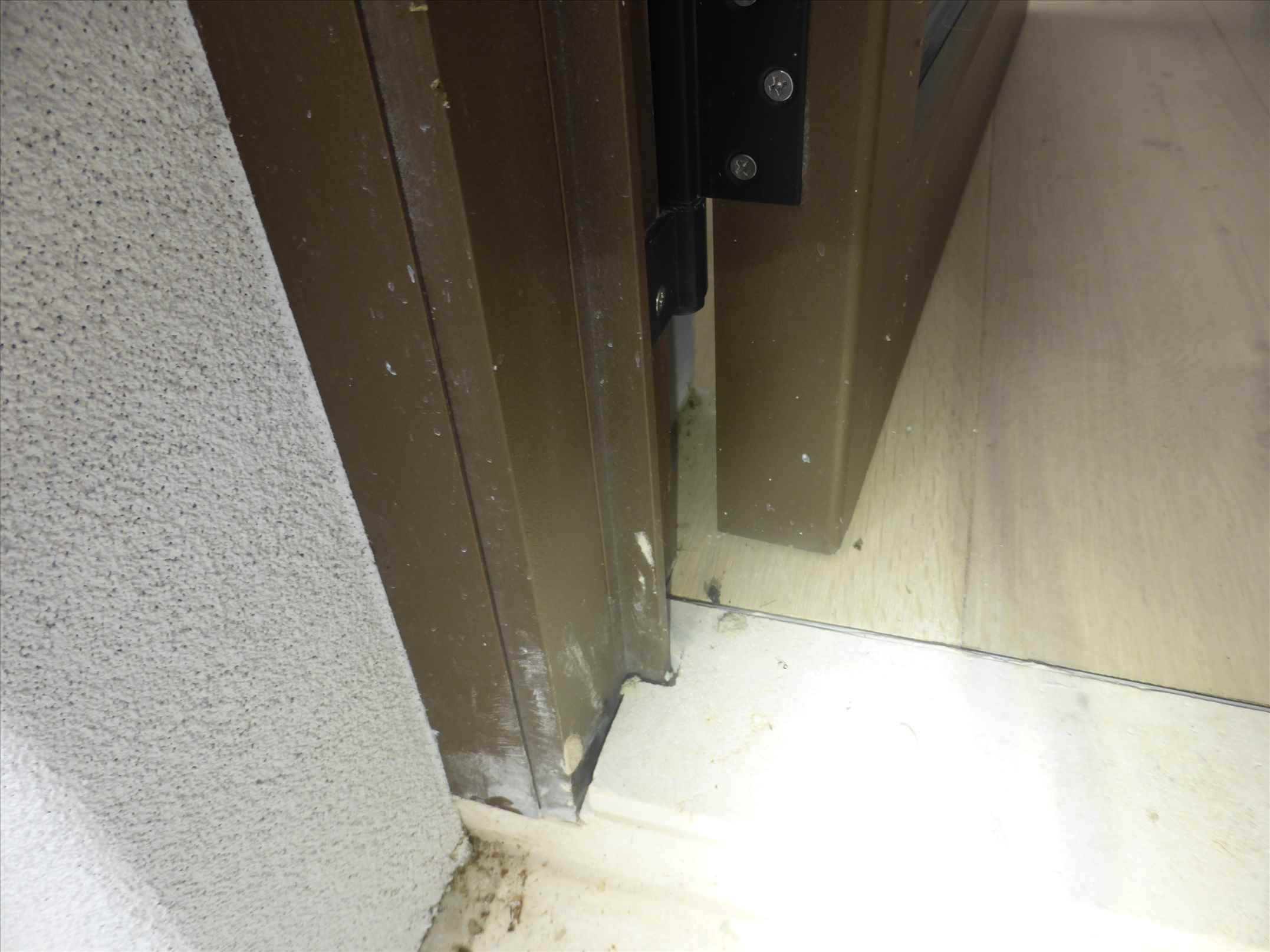
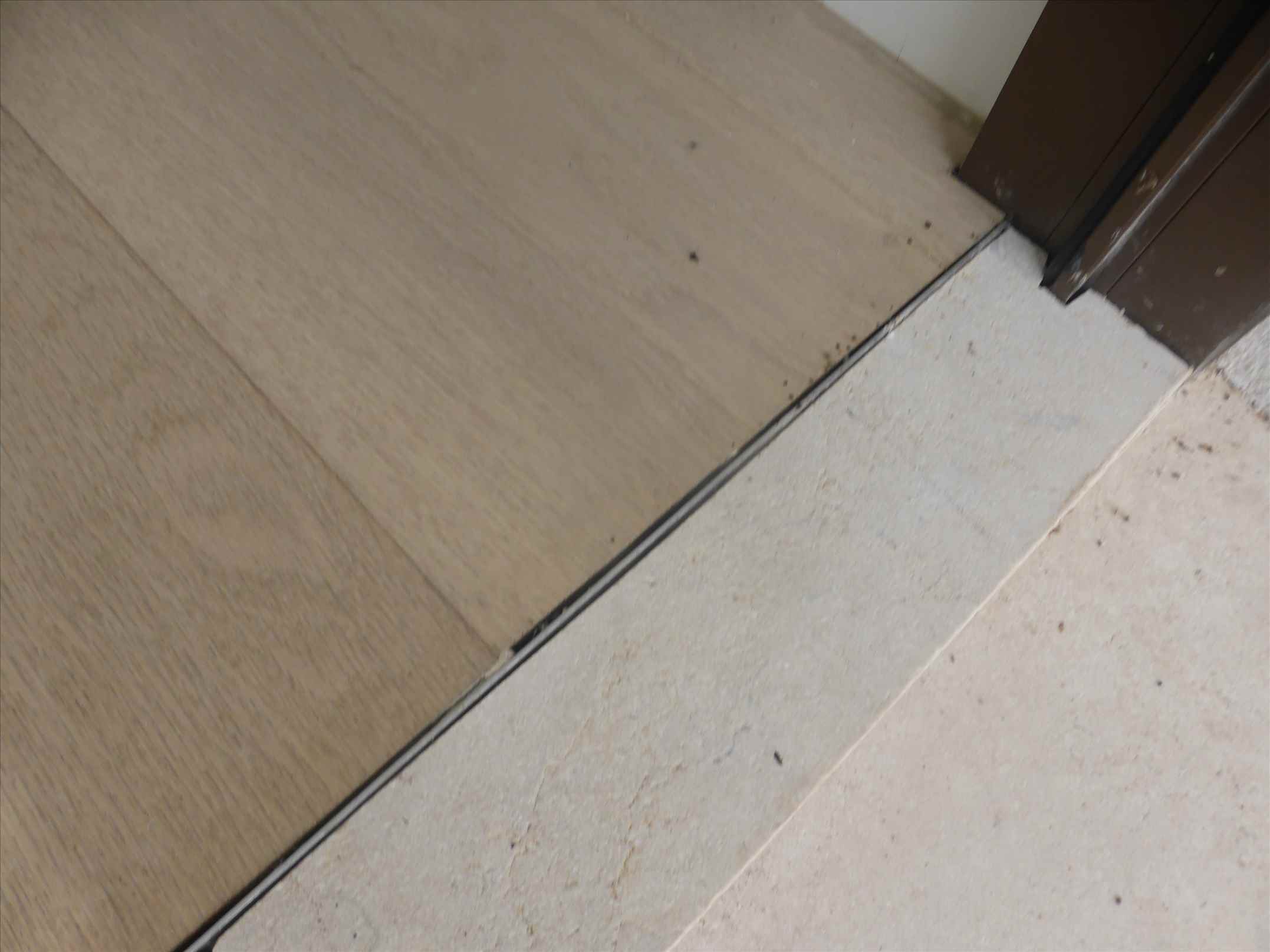
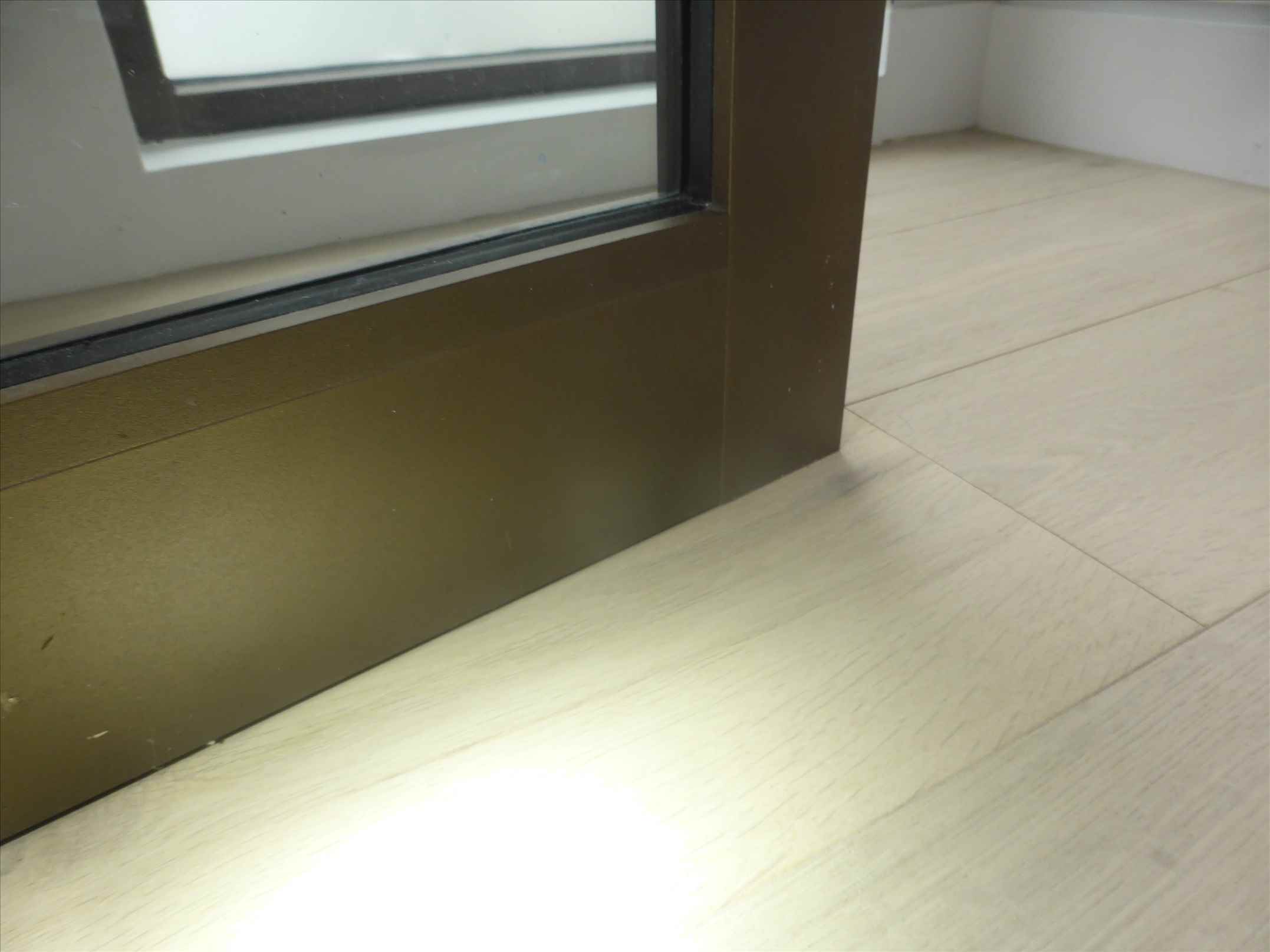
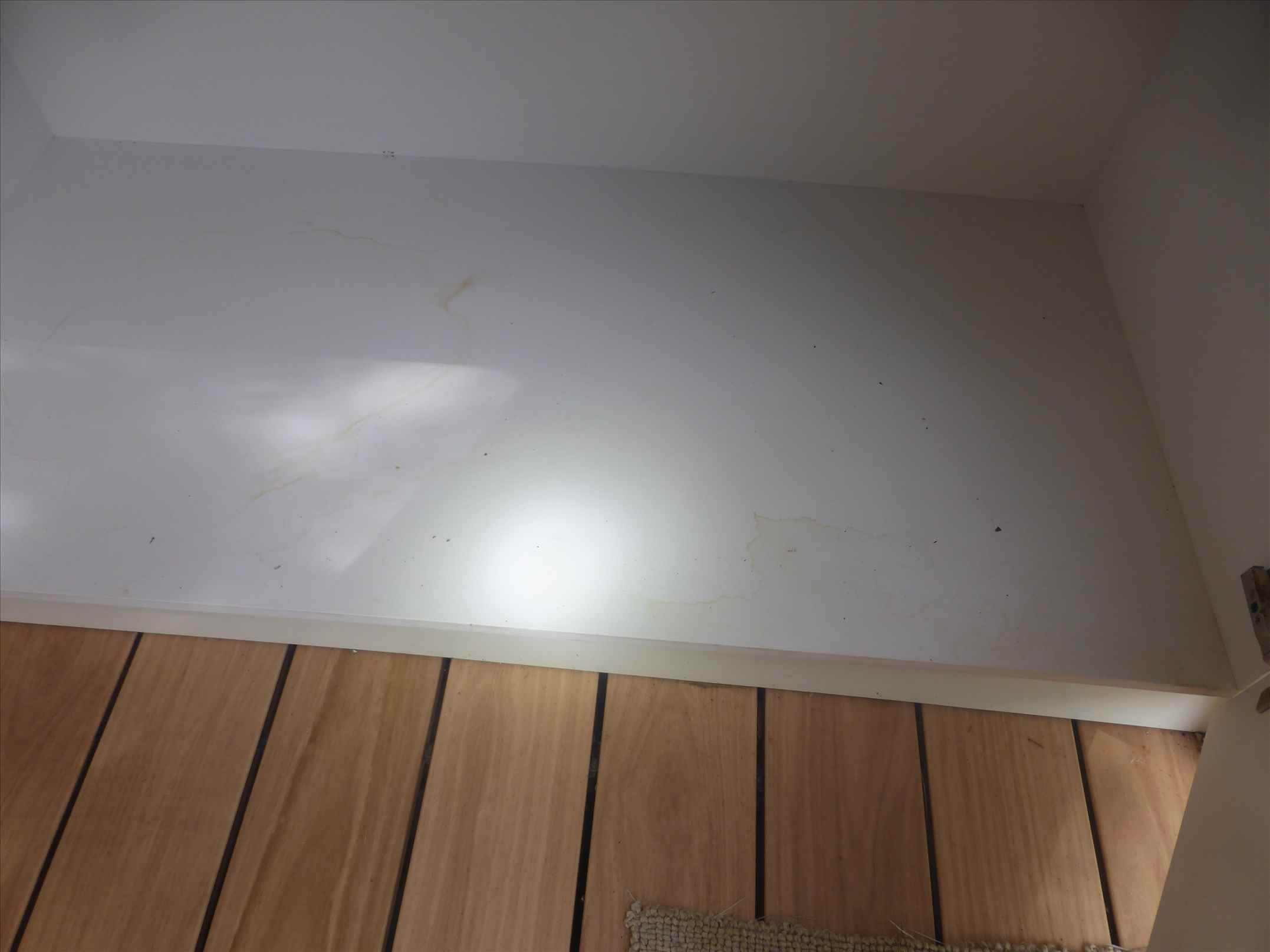
ObservationThe exposed NW-facing external entry door, the sill area and the abutting floating timber floor have no expansion joint between them. The threshold detail admits wind-driven rain — there is no compliant weather threshold, drip flashing or storm seal at the base of the door. Multiple paint and frame finish damage is visible across the door leaf and adjacent jamb / sill area. The door leaf scrapes on the floating timber flooring when opened and closed and abrasion damage to the flooring is already present. Combined weatherproofing failure (water ingress at a primary external opening), finish failure (paint and frame damage) and progressive damage to the floor.

RecommendationInstall a compliant weather threshold with drip-flashing and storm seal complying with AS 2047:2014 and NCC HP Part 7.5. Install an expansion joint between the threshold and the floating timber floor (per G9.1). Re-hang the door with adequate clearance to remove the scraping condition. Make good the abraded floorboards and the paint / frame finish damage at the door, jamb and sill.

p1140758p1140758
p1140759p1140759
p1140761p1140761
p1140774p1140774
G4 Major
C003
C004
C005
StandardsAS 2047:1999 (labelling provisions)AS 2047:2014 Clause 1.6 MarkingNCC HP Part 7.5AS 4055 / AS/NZS 1170.2

Windows missing AS 2047 compliance labelling — dwelling-wide

All window units installed throughout the dwelling — Ground Floor and Upper Level

ObservationWindow units installed throughout the dwelling do not carry the compliance labelling required by AS 2047 (refer additional photos C003, C004 and C005). The labelling requirement has been a feature of AS 2047 since the 1999 edition and has been carried forward through subsequent editions (2014 and 2024). Each window unit must carry a permanent, legible mark or label showing: the manufacturer's name or registered trade mark; a reference to AS 2047 (so the standard against which the unit is certified is identifiable on the unit); the window's serviceable design pressure (wind rating) — typically expressed as an SDP value or N-rating; the water-resistance rating; and a reference number or compliance code linking the unit to its NATA-accredited test certificate. The label is the on-site link between the installed unit and the test certificate that demonstrates the unit's compliance with AS 2047. Without the label there is no on-site means of verifying that the window meets the wind and water performance required for the site exposure category. South Coogee is a coastal location with elevated wind exposure (typically wind classification N3 or higher per AS 4055, depending on terrain and shielding) — installing windows without verified ratings is a substantive non-compliance with NCC HP Part 7.5 (which calls up AS 2047) and AS 2047:2014 itself. If labels were never applied, three possibilities arise: (a) the windows are from a manufacturer who has tested to AS 2047 but the labels were not affixed at manufacture or were removed during installation (recoverable); (b) the windows are from a manufacturer who has not tested to AS 2047 (non-compliant — windows must be replaced); or (c) the windows are re-supplied or non-original product without provenance (non-compliant — windows must be replaced). Distinguishing between (a), (b) and (c) requires the manufacturer to produce the AS 2047 test certificates.

RecommendationEngage the window supplier and the builder to: (1) Identify the manufacturer of every window unit installed in the dwelling. Different unit types (sliding doors, awning sashes, fixed glazing, louvres, bi-folds) may have come from different manufacturers — each is to be identified separately. (2) Obtain from each manufacturer the NATA-accredited AS 2047 test certificate for every window unit / type, demonstrating compliance with the serviceable design pressure (wind rating) and water-resistance rating required for the site exposure category. Confirm the rating against the BASIX commitment for the dwelling. (3) Apply the AS 2047 compliance labelling to every window unit in accordance with AS 2047 Clause 1.6 (or the equivalent clause in the edition under which the unit was certified — labels from the 1999 edition onwards are acceptable provided they identify the standard). (4) Provide the consolidated package of test certificates and a labelled-unit register to the owner / certifier as part of the document handover. If any manufacturer cannot produce an AS 2047 NATA-accredited test certificate for a unit, that unit is to be replaced with a compliant one — there is no other rectification path. Cross-reference U1 for the Upper Level wing of this finding.

C003C003
C004C004
C005C005
G5 Major
p1140610
p1140611
p1140748
p1140770
p1140762
StandardsAS 3740:2021 Section 3 and Figure 3.3AS 3958.1:2007NCC HP Part 10.2

Wet-area waterproofing — multiple AS 3740 non-compliance items

Substantially dwelling-wide — at the majority of wet-area door thresholds, at least one wet-area tap penetration, the Guest Ensuite unenclosed shower recess, and every wet-area perimeter

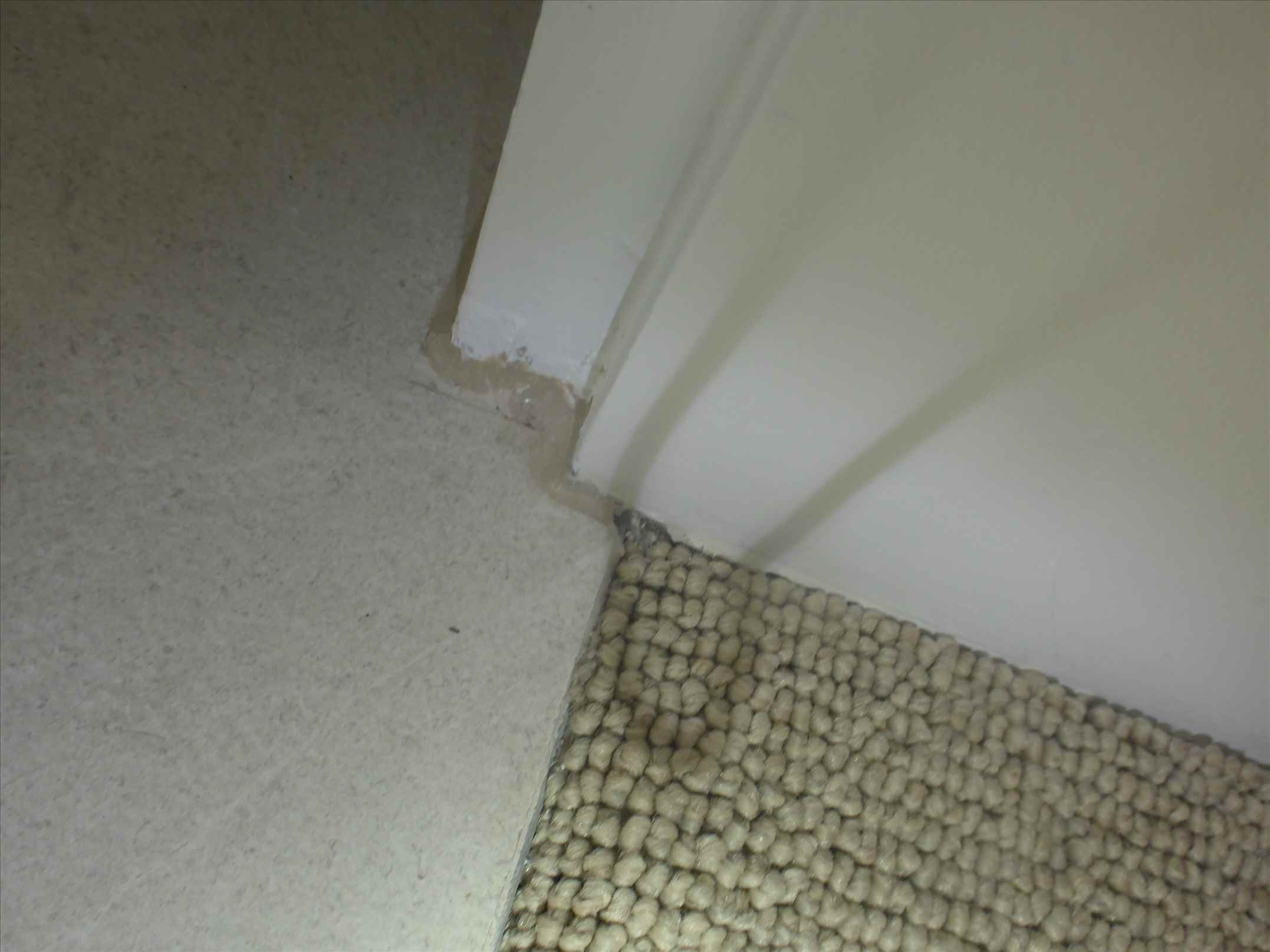
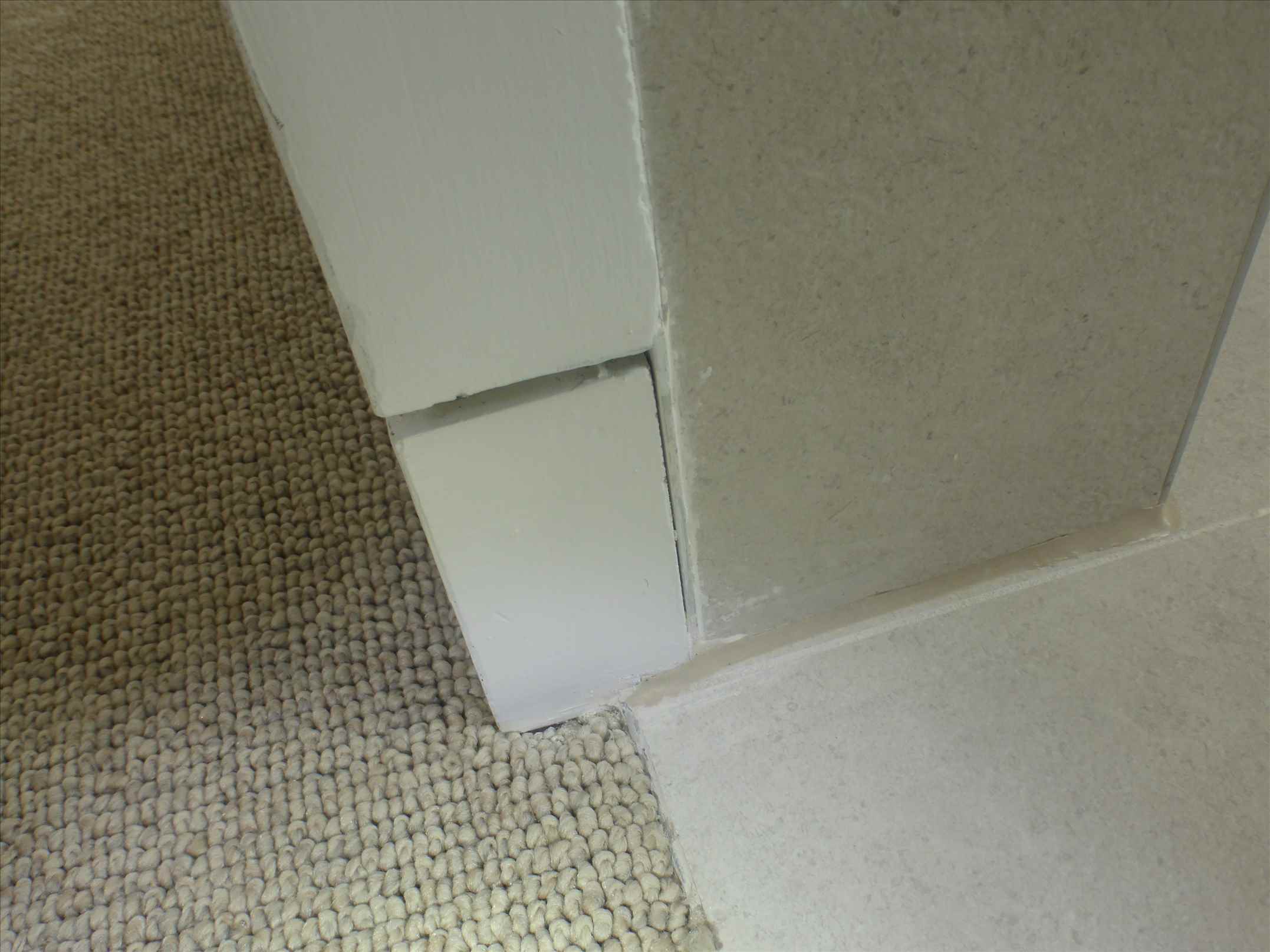
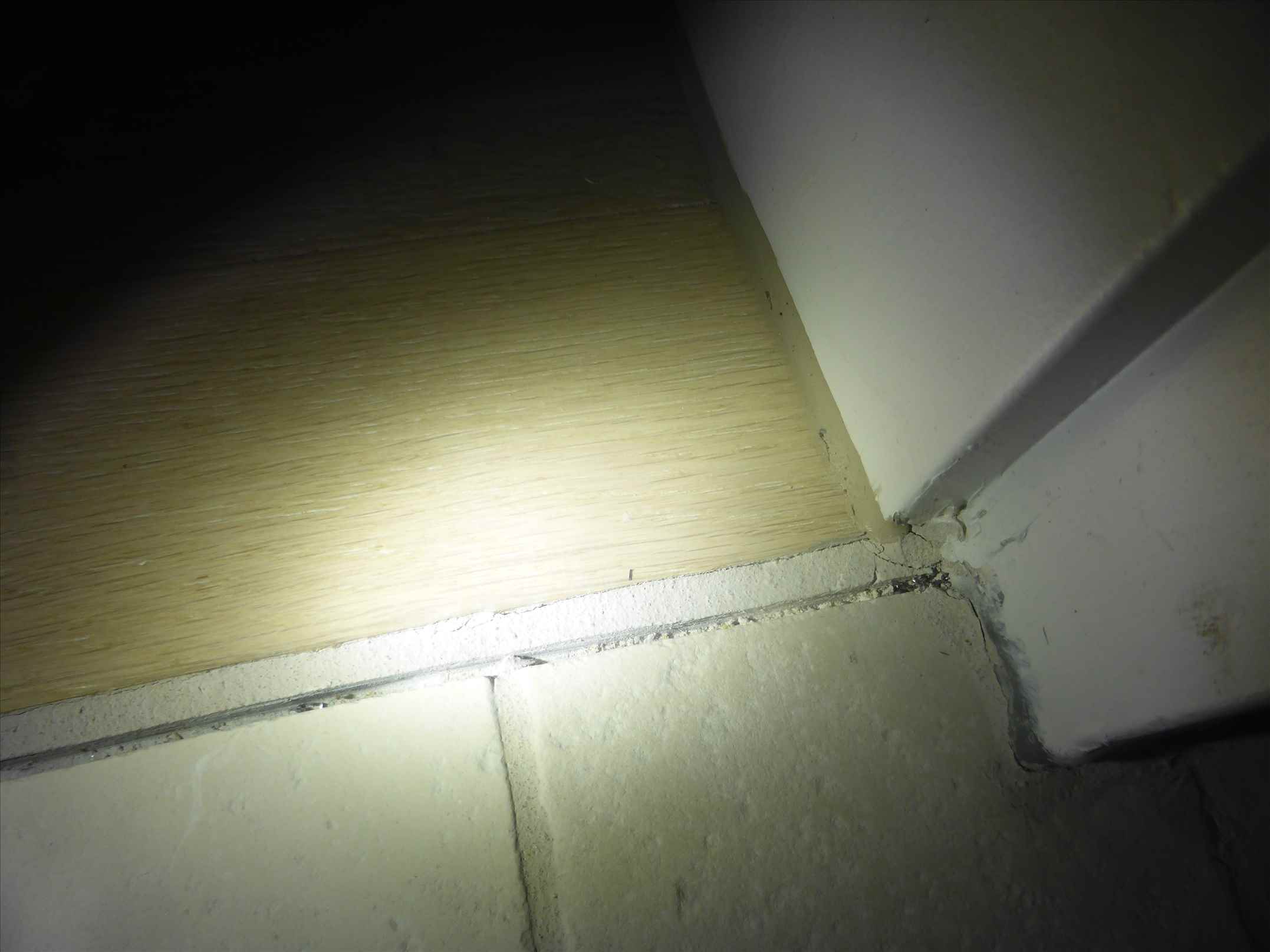
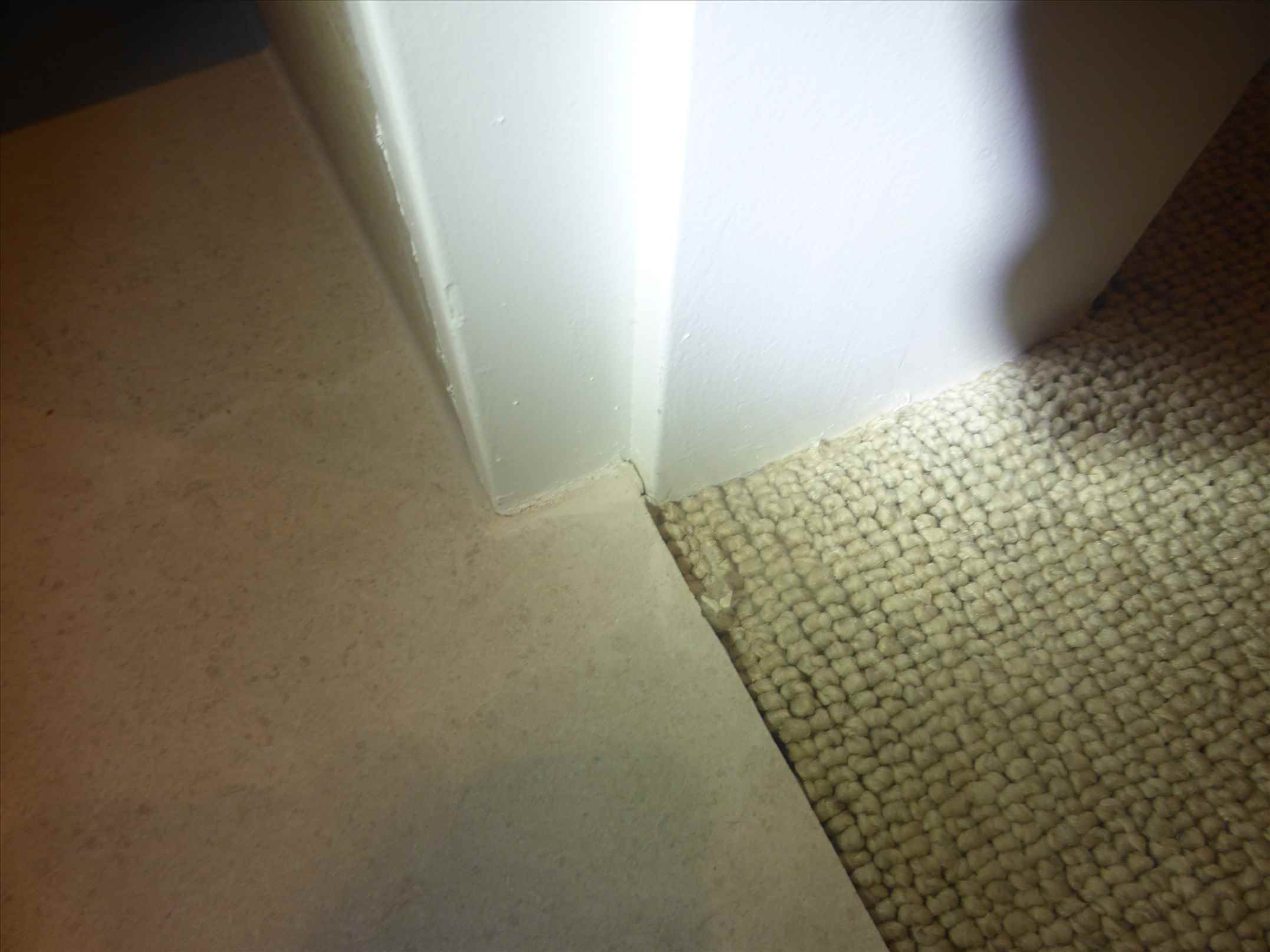
ObservationFour related AS 3740 non-compliance items are recorded together because all relate to the integrity of the wet-area waterproofing system across the dwelling. Each sub-item is rectifiable independently of the others; collectively they represent a systemic failure of the wet-area waterproofing detail. Severity is set at Major because the items affect the primary water-containment function of every wet area in the dwelling and three of the four are confirmed (not inferred) by photographic or test evidence. G5.1 — Door-threshold waterstop angle absent at multiple wet-area entries (p1140610, p1140611, p1140748, p1140770): at multiple wet-area entries throughout the dwelling — bathrooms and laundry — there is no waterstop aluminium angle upturn at the door threshold. AS 3740:2021 Figure 3.3 requires a waterstop with its base sealed to the floor and its upstand flush with the finished floor surface; waterproof material extending a minimum of 25 mm above the finished floor surface at the door threshold; and continuous tanking from the bathroom floor up and over the waterstop, terminating behind the architrave. The photographs show the bathroom / laundry tile floor running directly into the adjoining floor finish (carpet or timber) with no visible waterstop angle. Without a waterstop, the wet-area waterproofing membrane has no compliant mechanism to be upturned and terminated at the door threshold, and the bathroom water-containment line is broken at every entry. G5.2 — Shower tap penetration not sealant-filled (p1140762): a shower tap penetration is photographed where the wall-lining penetration around the tap body has not been sealant-filled. AS 3740:2021 Section 3 requires every penetration through a wet-area substrate to be sealed against water ingress, typically with a flexible sealant collar or a penetration-sealing detail approved by the membrane manufacturer for the system specified. An unsealed shower-tap penetration is a direct water-ingress path into the wall cavity behind the shower. The example photographed is taken as representative of the wet-area trade quality across the dwelling. G5.3 — Unenclosed shower recess stepdown <15 mm at Guest Ensuite — confirmed by field test (refer G10 for the test record at p1140777, p1140778): the Guest Ensuite unenclosed shower recess has a stepdown of less than 15 mm below the surrounding bathroom floor. The recess shower rose was run for approximately five minutes during the inspection; at the conclusion of the test (recorded under G10) excess water spilled from the recess onto the main bathroom floor, demonstrating that the recess cannot retain shower water under normal operating conditions. AS 3740:2021 specifies a minimum 25mm stepdown for unenclosed shower recesses sufficient to retain shower water within the recess under normal operating conditions. The <15 mm stepdown observed does not meet the AS 3740 unenclosed shower recess detail. G5.4 — No edge angles at wet-area tile-to-finish transitions; perimeter membrane termination to confirm: no edge angle / aluminium trim has been installed at the perimeter of the wet-area tiling where it meets adjoining carpet or timber flooring (typical detail across every wet area in the dwelling). The absence of a compliant edge angle raises a substantive question about how the wet-area waterproofing membrane is tanked at the perimeter — confirmation requires intrusive inspection. If the membrane has not been correctly upturned, the wet area is non-compliant under AS 3740 and would require removal of perimeter tiling to expose and rectify the membrane.

RecommendationEngage the waterproofing contractor and the tiler responsible for the original wet-area installations to undertake a coordinated rectification across every wet area in the dwelling. Specific scope: (1) Door thresholds (G5.1). Confirm membrane termination detail at every wet-area door threshold (bathroom, ensuite, laundry, WC). Where the waterstop is absent, install a compliant waterstop angle with the membrane re-detailed up and over the angle to AS 3740 Figure 3.3, and reinstate the threshold tile / floor finish. This is intrusive work — the architrave, perimeter tile and adjacent floor finish at each affected door will need to be lifted to expose the membrane. (2) Tap and other penetrations (G5.2). Inspect every penetration through a wet-area wall or floor substrate. Where any penetration is not sealed, apply a flexible sealant collar or a membrane-manufacturer-approved penetration-sealing detail. Retain photographic records. (3) Unenclosed shower recess (G5.3). Increase the Guest Ensuite recess stepdown to comply with AS 3740 and re-run the field test (5-minute shower run) to confirm water retention and adequate falls without pooling, before sign-off. Refer G10 for the original test record. (4) Perimeter edge angles (G5.4). Where the perimeter membrane termination is confirmed to be sound, install a compliant edge angle / trim at every wet-area-to-adjoining-floor transition to AS 3958.1 and dress the trim to the membrane upturn. Where the membrane termination cannot be confirmed visually, undertake an intrusive inspection. If the membrane is not correctly upturned, the wet area must be re-tanked per AS 3740:2021 and a new waterproofing certificate issued. Issue a new (or revised) AS 3740:2021 waterproofing compliance certificate following all rectification work. Cross-reference U2 for the Upper Level wing of this finding.

p1140610p1140610
p1140611p1140611
p1140748p1140748
p1140770p1140770
p1140762p1140762
G6 Moderate
p1140636
p1140686
p1140685

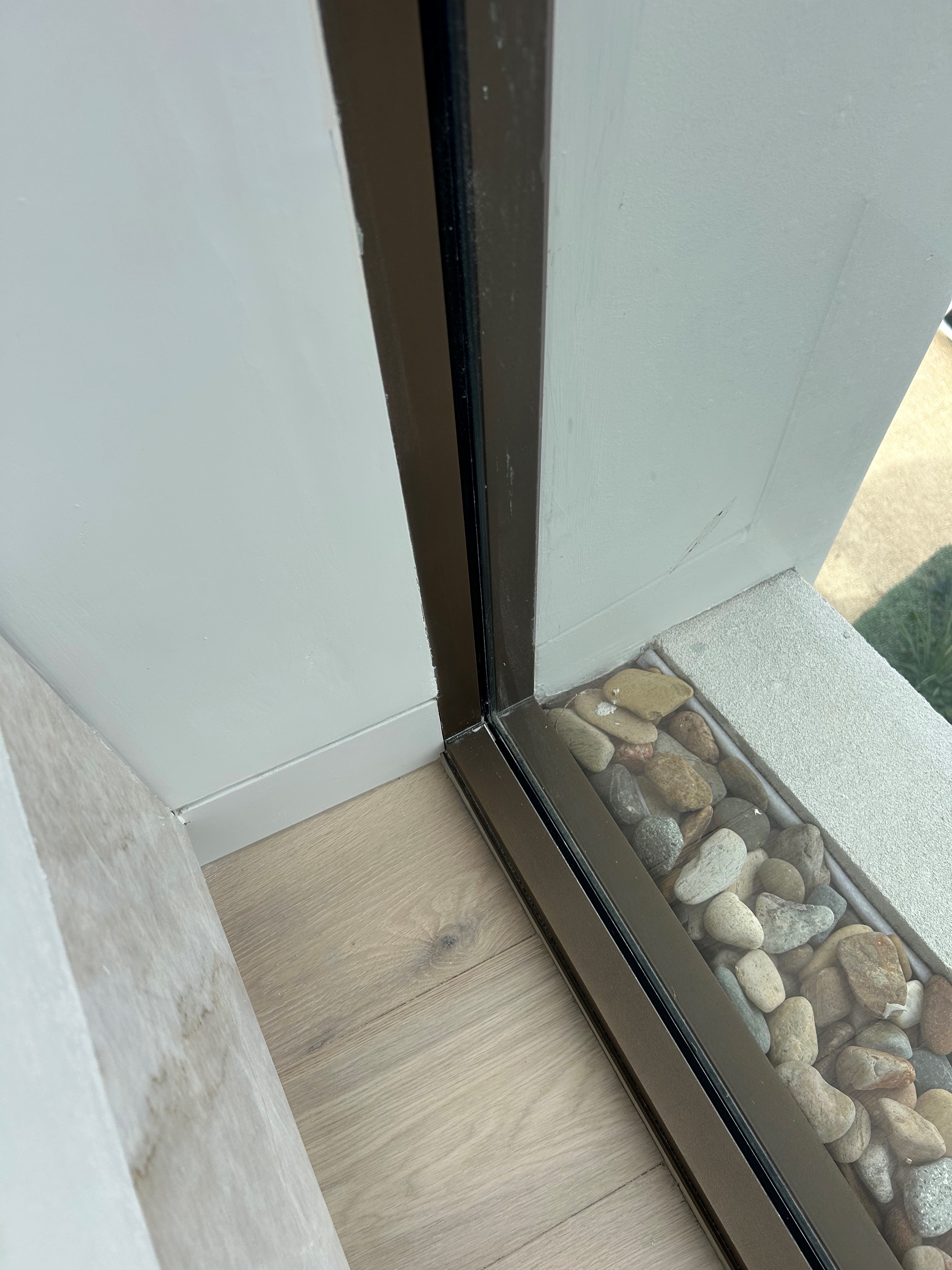
Damaged and excess render / paint at external window / door frame jamb

External rendered wall adjacent to bronze aluminium sliding door / window jamb

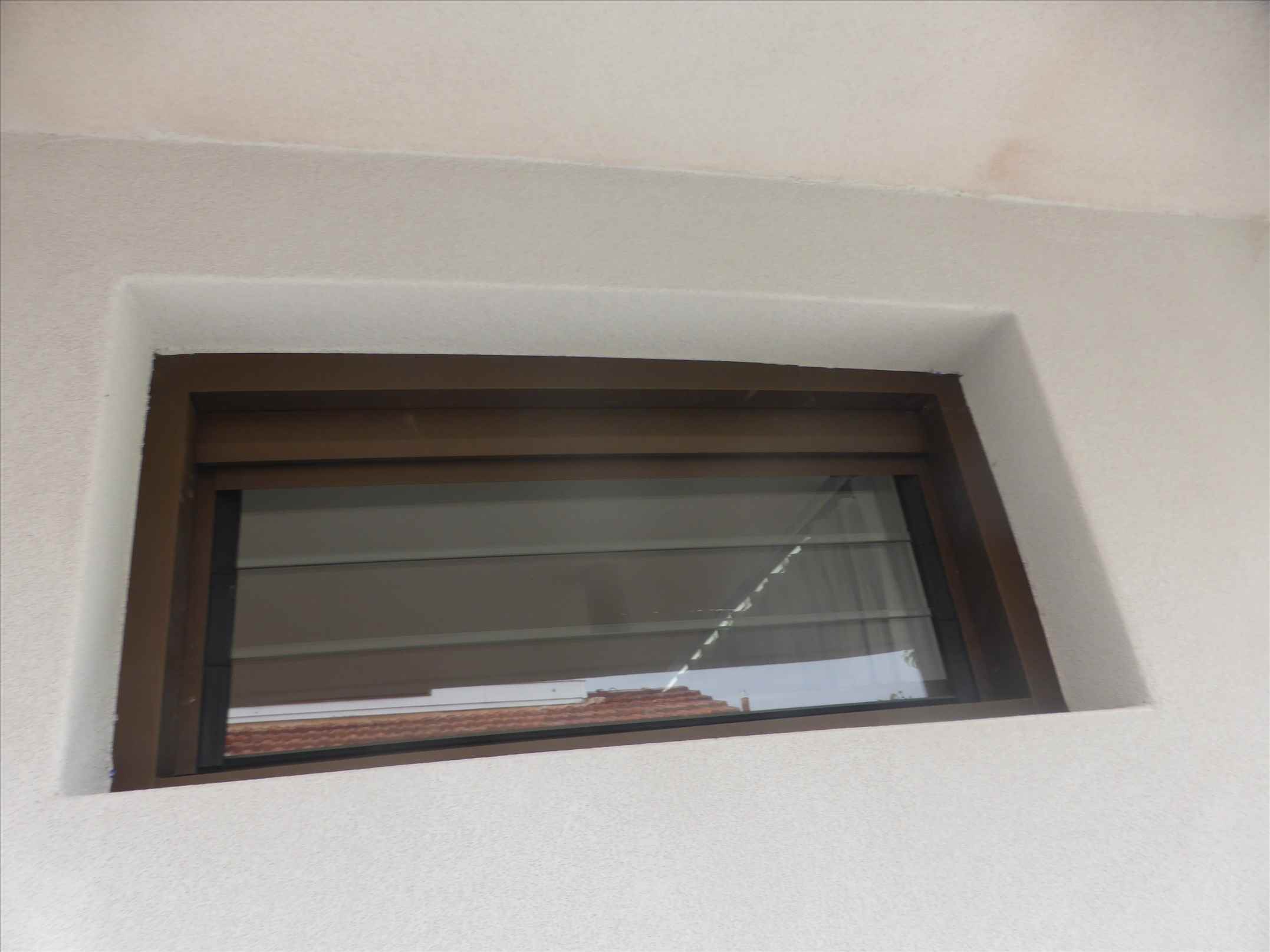
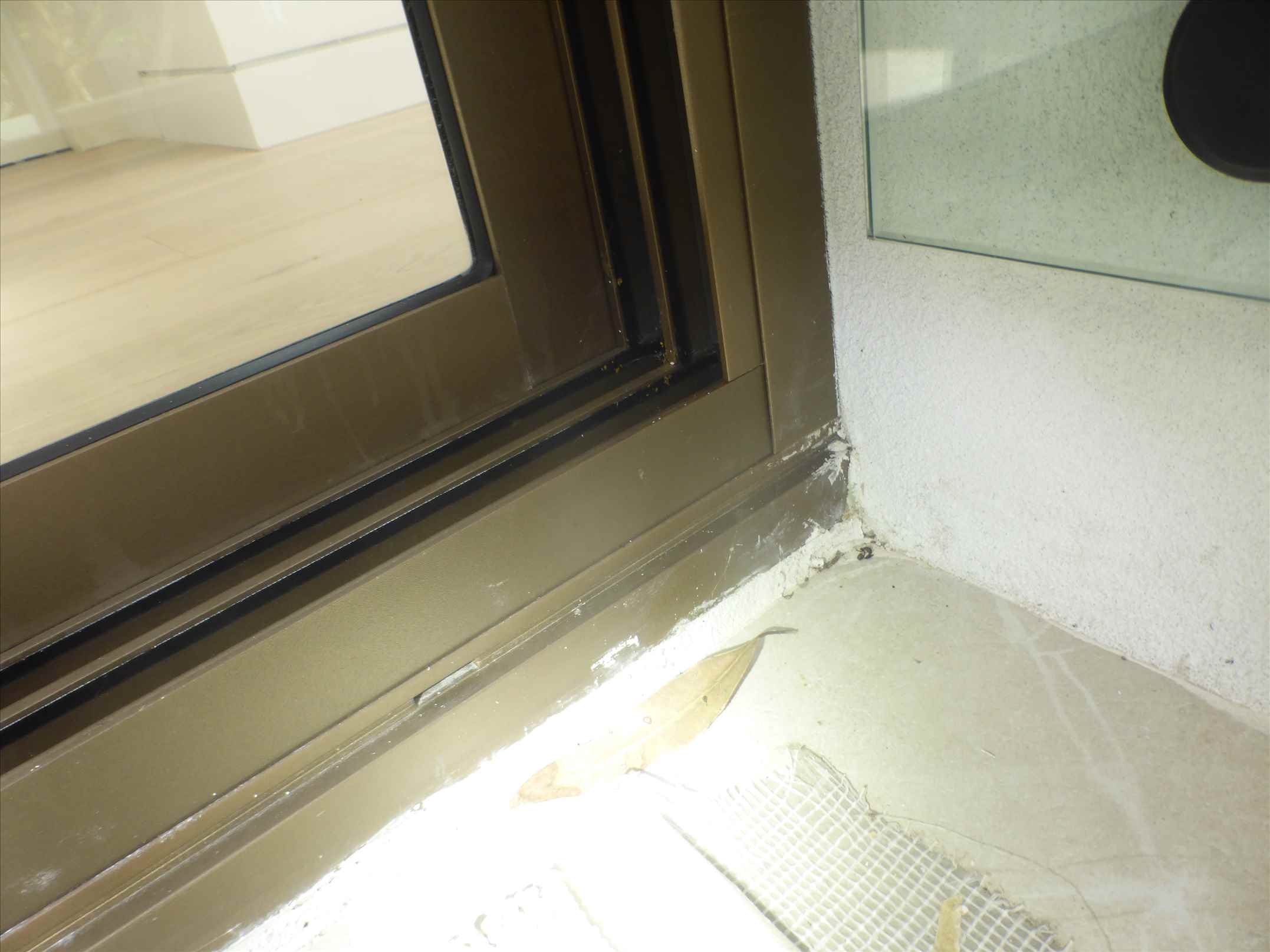
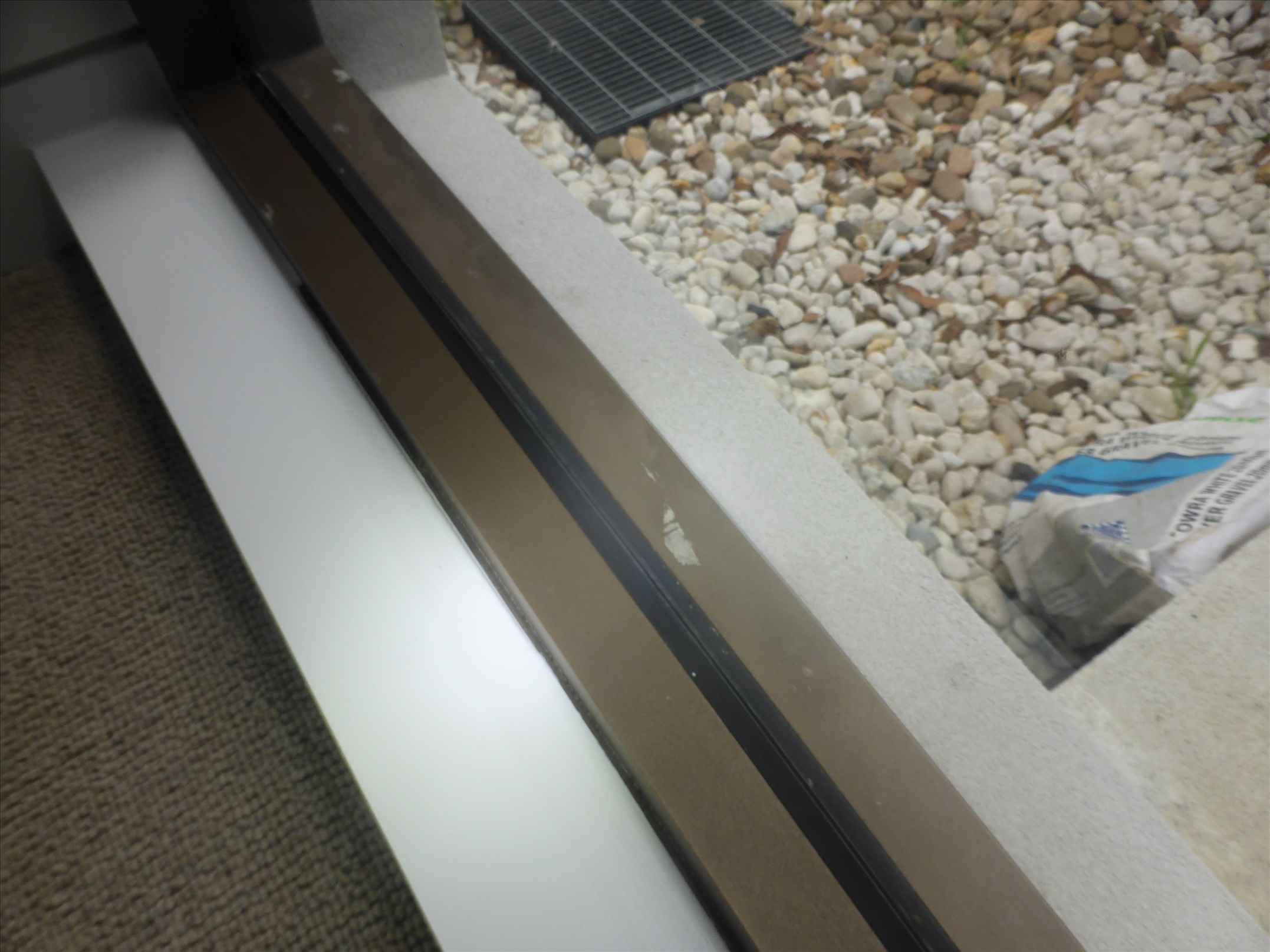
ObservationRender is chipped and broken away at the base of the frame jamb in places, exposing the substrate; in adjacent areas there is excess render / paint built up against the frame. The junction between render and frame is not consistently finished or sealed — direct water ingress path at a weatherline. Photos p1140686 and p1140685 (reassigned from G7) show the same condition repeated at adjacent jambs.

RecommendationMake good the damaged render and cut back the excess; apply a neutral-cure silicone flexible sealant at the frame-to-render junction; verify the frame flashing / weather lip behind the render is continuous. Repeat across all external bronze-aluminium window / door jambs in the dwelling.

p1140636p1140636
p1140686p1140686
p1140685p1140685
G7 Moderate
p1140698
p1140712
p1140713

Unfinished render / paint and exposed cabling near entry-path external A/C unit and eastern external elevation

Entry path / pathway — adjacent to external A/C unit

ObservationRender at the base of the wall near the external A/C unit on the entry path is damaged and not made good; coloured wires / cables are visible protruding from the wall, unsealed and unprotected. Combined weatherproofing, cable-protection and aesthetic issue at a visible entry location. p1140712 and p1140713 show further example evidence of defective external rendering.

RecommendationEngage the builder to make good the render around the A/C and cable penetrations; seal around all penetrations with UV-stable flexible sealant; protect or terminate exposed cables in a weather-rated enclosure (electrician scope).

p1140698p1140698
p1140712p1140712
p1140713p1140713
G8 Moderate
p1140681
p1140689
p1140691
p1140697

Pool decking and concealed water-collection tray — irregular install, no drain access, no emergency overflow

Ground Floor — composite timber decking surrounding the pool and across the L-shaped south-facing Entertaining deck (sitting flush with the Living Room door sill)

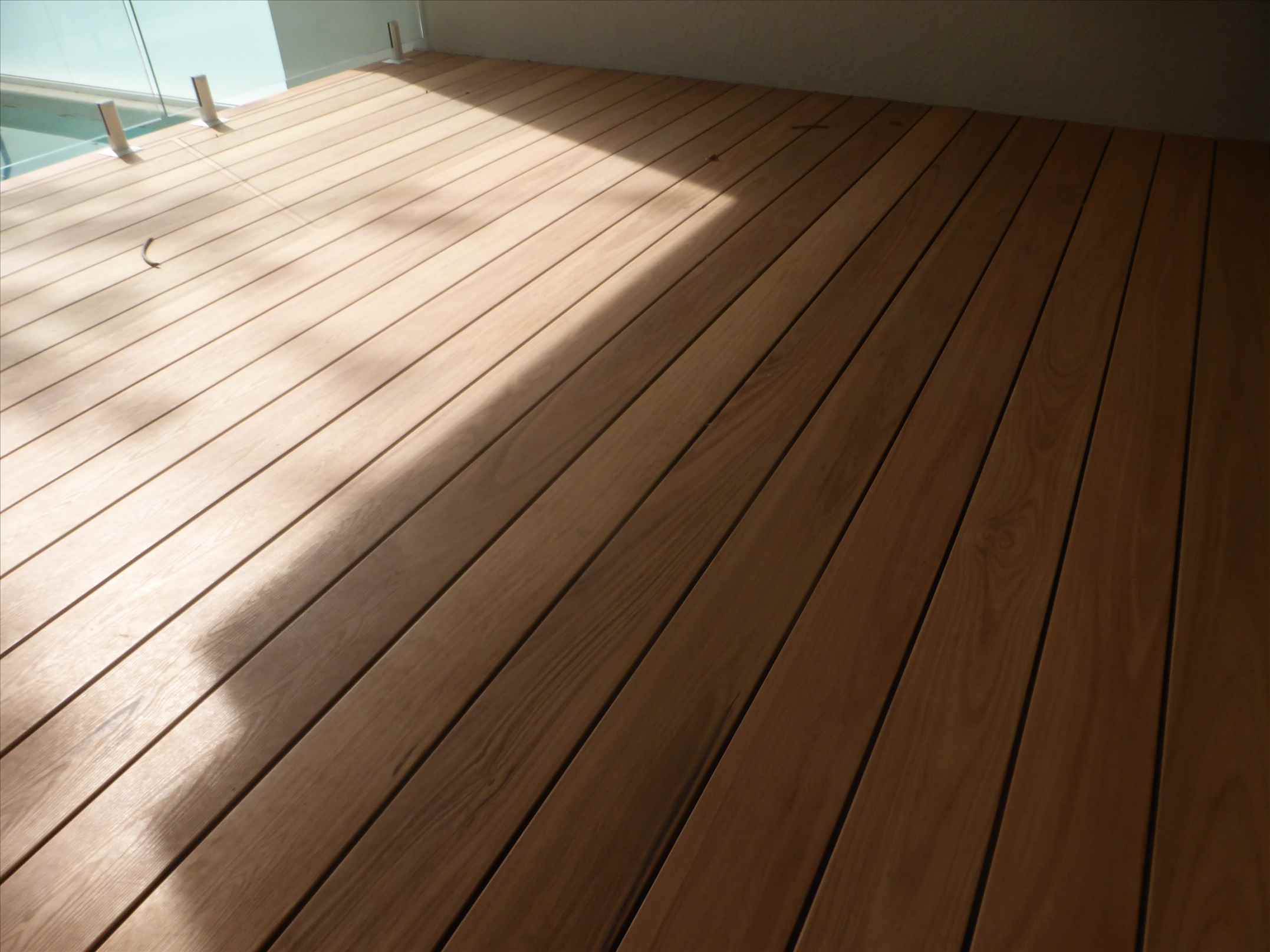
ObservationThe deck is composite timber boards on a deck frame system. Board spacing and fixings appear irregular from inspection and from the photographs, and there is evidence of Cypress-tree debris in the board gaps. The L-shaped south-facing Entertaining deck area sits over a metal waterproof water-collection tray. Two compliance / weatherproofing issues at this concealed tray: there is no access panel to the concealed surface drain(s) under the deck, so the drain cannot be inspected, cleared or maintained (Cypress debris is already finding its way into the tray below); and there is no emergency overflow to the tray — if the primary drain blocks, water has nowhere to escape and because the deck sits flush with the Living Room door sill, blocked-tray water will back up and admit wind-driven rain into the dwelling.

RecommendationInstall access panels (lift-out deck sections or hatches) over all concealed drains in the tray to allow inspection and clearing. Install a compliant emergency overflow to the tray, sized to the catchment, with the discharge visible and clear of the dwelling. Confirm deck framing, fixings, bearer / joist details by reference to construction records or by lifting a board. Verify slip resistance in wet conditions — target P3 (or R9) for external wet-exposed surfaces; consider anti-slip treatment if below classification. Schedule periodic clearing of Cypress debris from board gaps and from the tray once access is established.

p1140681p1140681
p1140689p1140689
p1140691p1140691
p1140697p1140697
G9 Moderate
p1140721
p1140724
p1140760
p1140766
p1140658
p1140625
p1140626
p1140741
C002
C006
C007
C011
C012

Floating timber floor expansion provision and related items

Ground Floor — floating timber flooring throughout, plus internal doors, joinery doors, kitchen island and vanity joinery. Two of the six sub-items below — G9.3 (internal doors) and G9.4 (cupboard / joinery doors) — apply DWELLING-WIDE.

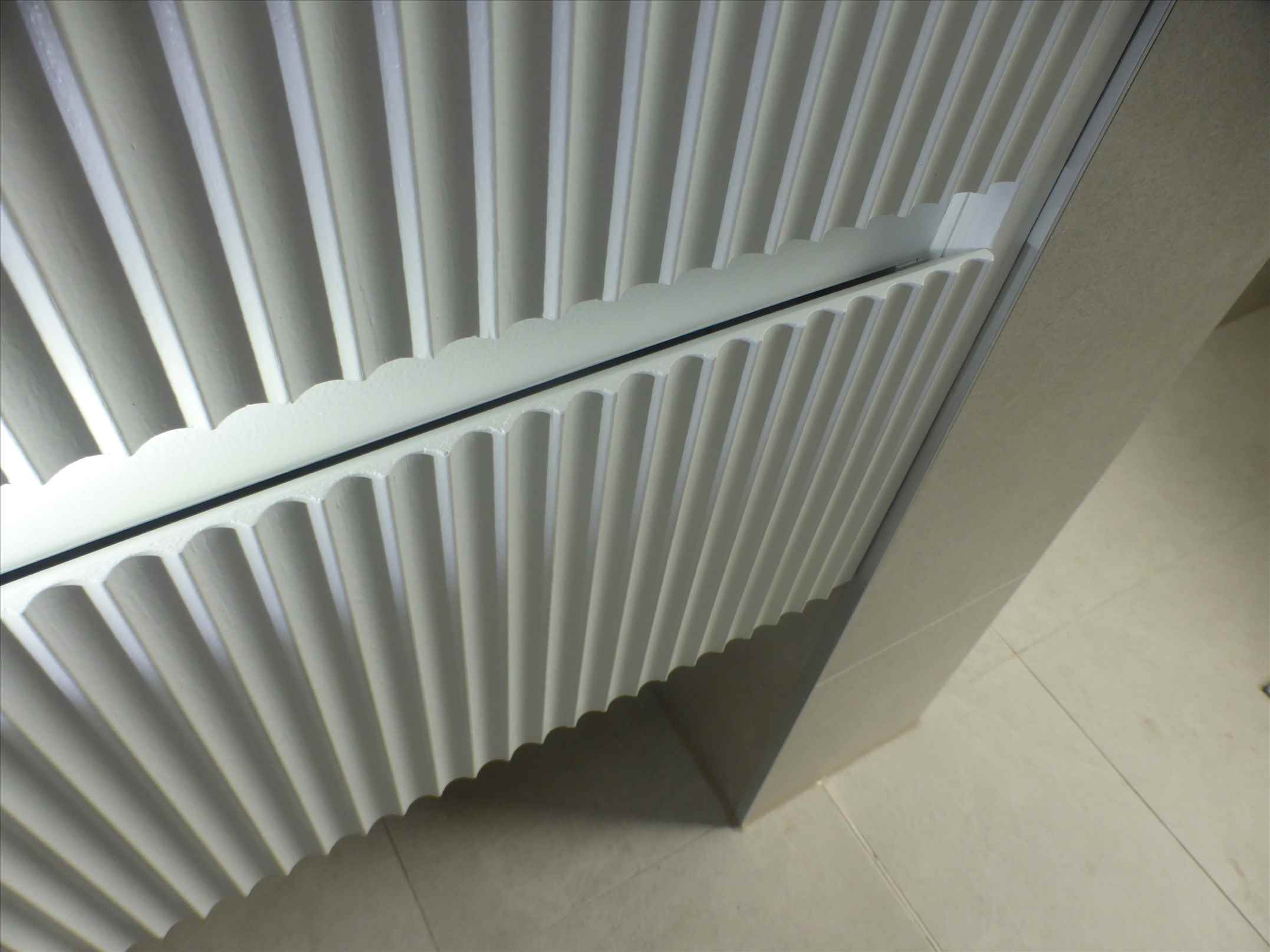
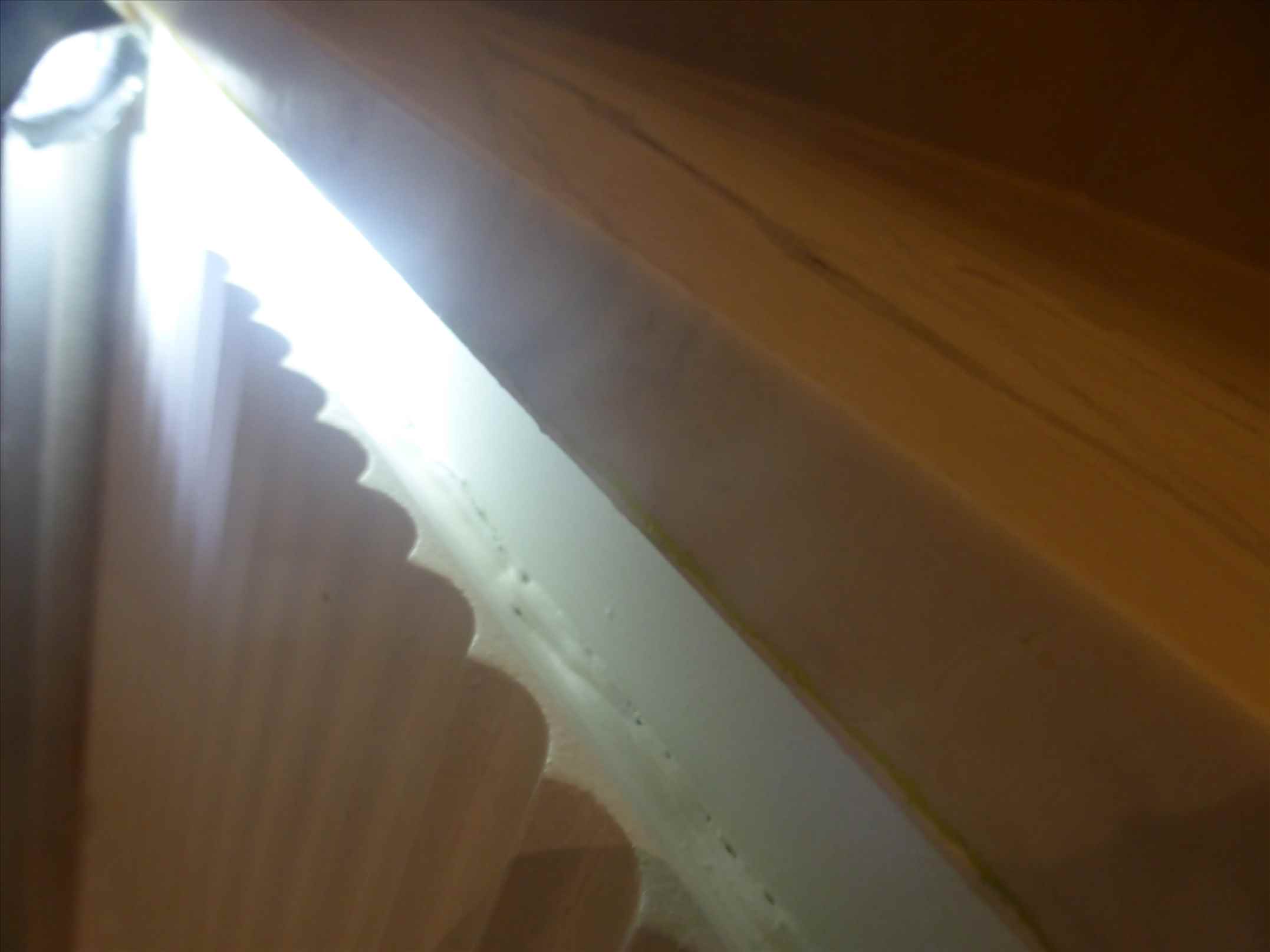
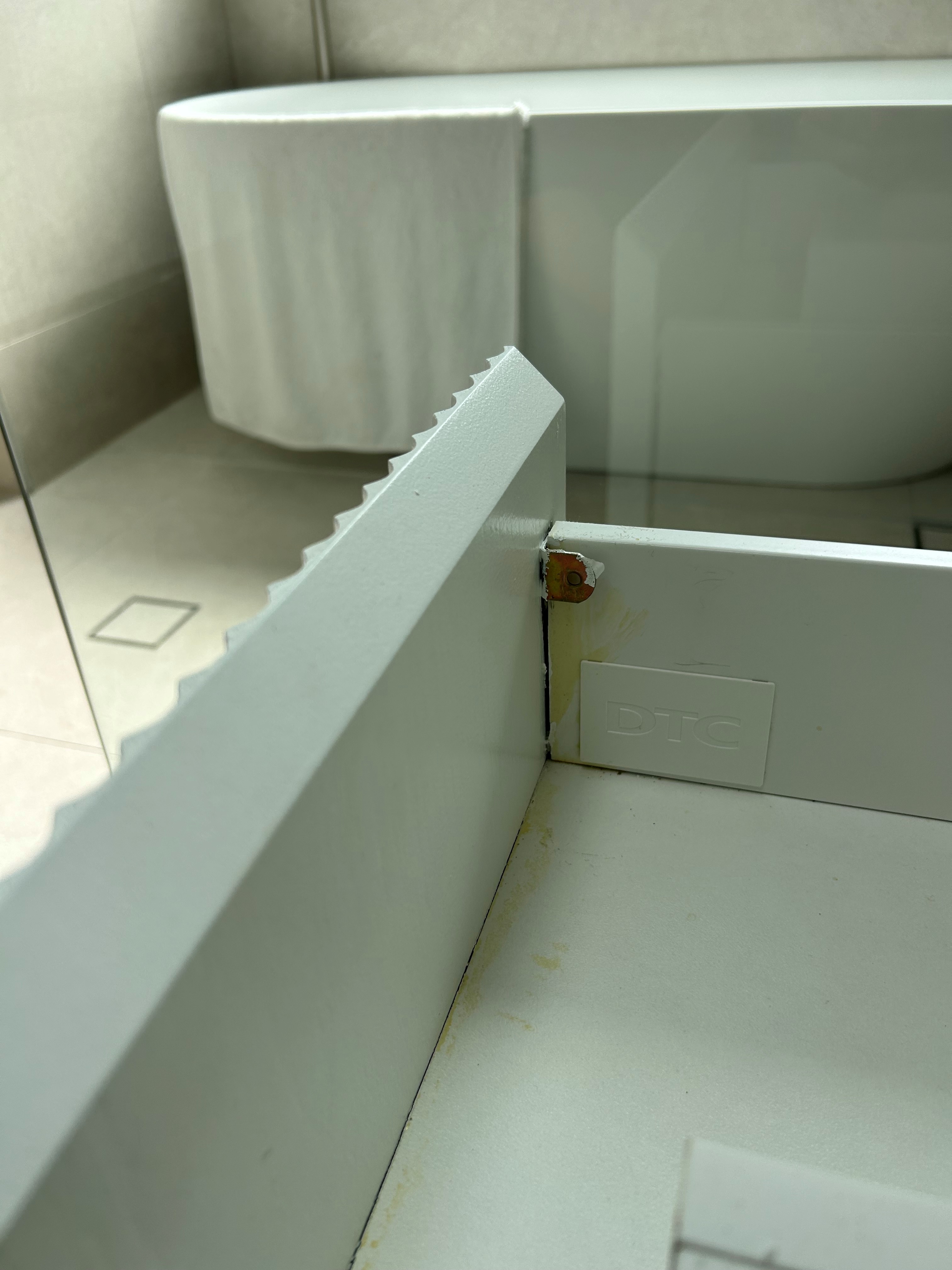
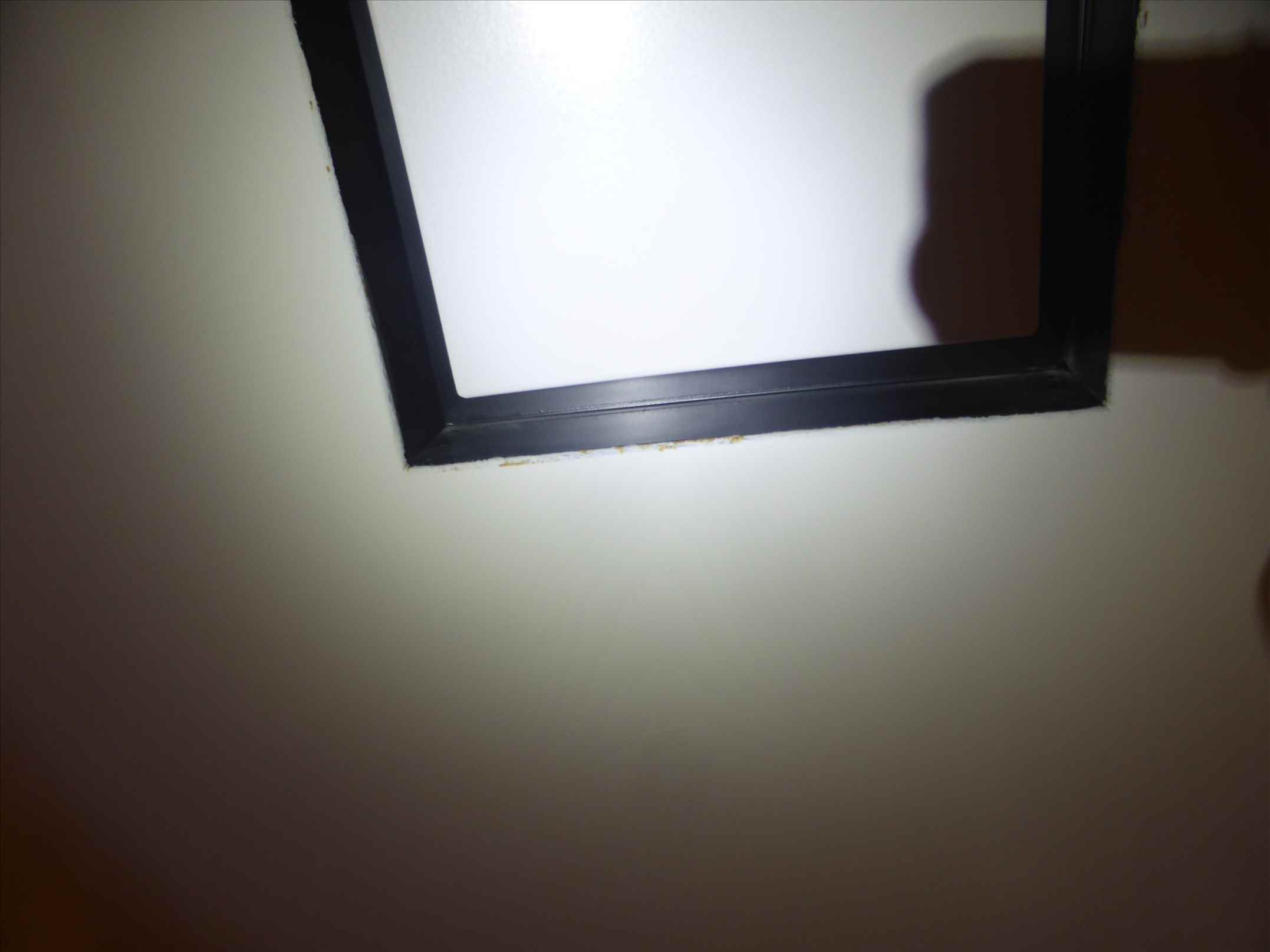
Observation⚠ JOINERY — BLANKET DIRECTIVE (DWELLING-WIDE). Every internal door and every internal cupboard / joinery door throughout the building — Ground Floor and Upper Level — is to have rubber buffer stops fitted at the strike point. The two sub-items G9.3 and G9.4 below document the condition; the rectification scope is building-wide and is to be carried out as a single coordinated trade visit covering every door in the dwelling, not as a room-by-room or level-by-level exercise. Six related issues are recorded together because the floor-side issues (G9.1, G9.2, G9.5) all stem from inadequate detailing of the Ground Floor floating timber floor and the elements that abut or impact it; the joinery-side issues (G9.3, G9.4) are filed under this finding because they were first observed against Ground Floor doors and jambs, but the rubber-buffer condition is dwelling-wide and rectification is to be priced and scheduled on that basis; and the vanity-joinery item (G9.6) covers specific drawer damage and benchtop finishing observed during the Ground Floor inspection, with the broader vanity-defect scope captured under G11 / U5. G9.1 — Sealant filling under skirtings preventing floor expansion (p1140724, p1140760): the floating timber flooring throughout the entire Ground Floor has been sealant-filled at the junction with the perimeter skirtings, preventing the adequate expansion / contraction provision required of a floating floor. Floating engineered-timber floors must be free to move independently of fixed elements; rigid sealant infill at the perimeter eliminates that movement path and leads to peaking, cupping, gapping at panel ends and accelerated wear over time. G9.2 — Living Room U-angle perimeter detail (p1140765, p1140766): the floating timber flooring at the Ground Floor Living Room southern and eastern perimeter walls terminates against a U-shaped angle (which appears to be a waterproofing stop / water-bar at the door / window line). The current install is unsightly: the floor is butt-fixed to the angle, leaving a dirt-trap gap and providing no expansion / contraction allowance. Additionally it was observed that the Living room external aluminium sliding door does not incorporate a door head buffer to limit impactful opening. G9.3 — Internal doors lack rubber buffers throughout the dwelling: none of the internal doors throughout the dwelling — Ground Floor and Upper Level — has rubber buffer stops fitted at the strike point. Without buffers, every door closure transfers impact load to the timber jamb. Visible impact damage / paint chipping is present at multiple jambs across both levels. The consistency across both levels indicates the buffers were not specified in the door package as supplied, rather than missed at individual installations. G9.4 — Internal cupboard / joinery doors lack rubber buffers: in most cases none of the internal cupboard / joinery doors throughout the dwelling has rubber buffer stops fitted. Same mechanism as G9.3: closure impact damages the joinery carcass and door edges over time, with loosening of hinges and runners as a downstream consequence (and is partially responsible for the soft-closure failures captured under G11 / U5 vanity defects). Example photo 721 shows poorly aligned upper joinery doors and which are evident in multiple locations - requiring readjustment . G9.5 — Kitchen island base not sealed to flooring (p1140658): the complete underside of the Kitchen island bench has not been sealed to the floating timber flooring. The unsealed gap permits vermin entry and accumulates dust and food debris. G9.6 — Vanity joinery — drawer damage, defective closure, and benchtop underside finishing (p1140625, p1140626, p1140741): example photographs p1140625 and p1140626 show clear impact damage to a vanity drawer front, requiring replacement; the same drawer also closes defectively and requires mechanism rectification. Example photograph p1140741 shows unsightly finishing of joinery to the underside of a stone benchtop, also requiring rectification. refer additional photos C002, C006, C007, C011 and C012 for additional joinery defects observed during the inspection. Cross-reference G11 / U5 for the dwelling-wide vanity workmanship scope (poor finish, soft-closures not operating, drawers off runners) — G9.6 documents specific observed instances; G11 / U5 captures the broader pattern.

RecommendationRemove rigid sealant infill (G9.1), reinstate expansion gap and fix colour-matched plastic micro-bead at the U-angle (G9.2), install rubber buffer stops to every internal door and every internal cupboard / joinery door throughout the dwelling — Ground Floor and Upper Level — as a single coordinated trade visit and not as a room-by-room exercise (G9.3, G9.4); make good paint and timber damage at every affected jamb to a Level 4 finish per AS 2589.1, seal the Kitchen island base perimeter with flexible neutral-cure sealant (G9.5); replace the impact-damaged vanity drawer front, rectify the defectively-closing drawer mechanism, rectify the joinery finishing to the underside of the stone benchtop, and address the additional joinery defects shown in additional photos C002, C006, C007, C011 and C012 (G9.6) — to be coordinated with the joinery contractor's wider rectification visit picking up G11 / U5.

p1140721p1140721
p1140724p1140724
p1140760p1140760
p1140766p1140766
p1140658p1140658
p1140625p1140625
p1140626p1140626
p1140741p1140741
C002C002
C006C006
C007C007
C011C011
C012C012
G10 Moderate
p1140771
p1140773
p1140777
p1140778

Guest Suite ventilation + Guest Ensuite shower-recess overflow

Ground Floor — Guest Suite / Guest Ensuite. Refer separate Appendix A document for the worked compliance calculation.

ObservationTwo related issues in the Guest Suite / Guest Ensuite are recorded together because they both relate to wet-area / habitability compliance. Guest Suite ventilation. The main wall of glass in the Guest Suite is fixed and contributes zero to the ventilation opening area. The only operable element is a louvre-style window which cannot be opened at the time of inspection and which is less than 1 m² in nominal frame area (p1140771). The external face shows uneven render around the louvre frame (p1140773), which may not be level. A standard residential split-system air conditioner recirculates air within the room and does not satisfy the NCC natural-ventilation requirement or an AS 1668.2 mechanical-ventilation alternative. Guest Ensuite shower-recess overflow (tested on site). The unenclosed shower recess was run for approximately five minutes during the inspection. The recess stepdown is less than 15 mm below the surrounding bathroom floor — non-compliant with the AS 3740:2021 unenclosed shower recess stepdown detail, which sets the minimum stepdown required for an unenclosed shower recess to retain shower water within the recess under normal operating conditions. At the conclusion of the test (p1140777, p1140778), excess shower water spilled out of the recess onto the main bathroom floor — a functional failure of the wet-area design under operating conditions, confirming the consequence of the non-compliant stepdown. Cross-reference G5.3 — the consolidated AS 3740 wet-area waterproofing scope picks up this item along with the door-threshold waterstops, tap penetrations and perimeter membrane termination across the dwelling.

RecommendationVentilation: Measure Guest Suite floor area and the openable area of every operable element when fully open. If openable area is less than 5% of floor area, modify the louvre and / or fixed glazing to provide a compliant openable area, or install a compliant AS 1668.2 mechanical ventilation system. Re-render around the louvre frame to a level finish. Refer Appendix A for the worked compliance calculation — required openable area, AS 1668.2 outside-air rate, and three rectification options sized to the room.

p1140771p1140771
p1140773p1140773
p1140777p1140777
p1140778p1140778
G11 Moderate
C002
C011
refer also G9.6
StandardsAS 4386:2014AS 1530.3 / AS 1530.1NCC HP Part 10.3

Vanity unit defects — dwelling-wide

All vanity units installed throughout the dwelling — Ground Floor Bathroom, Ground Floor Guest Ensuite, Upper Level Master Ensuite, Upper Level WC

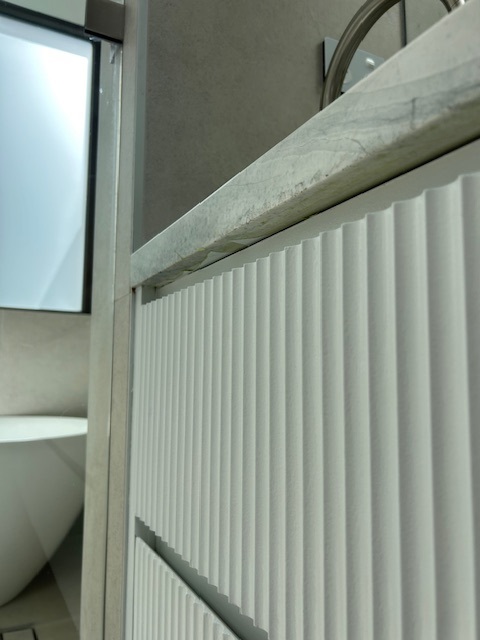
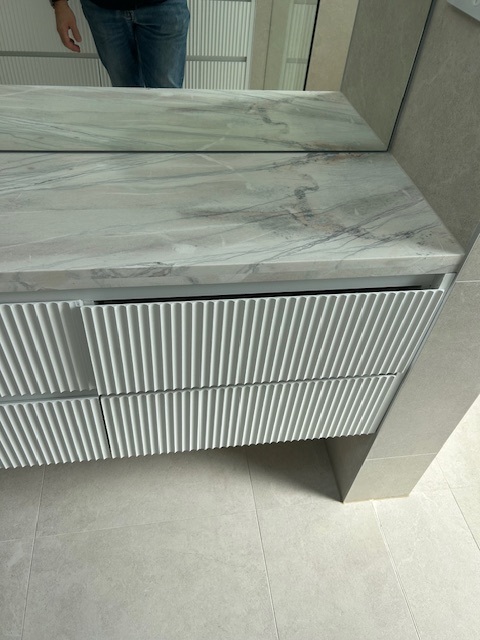
ObservationDefects are present in every vanity unit installed in the dwelling. The specific defects observed across the units are: poor quality finish and workmanship (uneven panel edges, visible joinery seams, panel gaps not closed, finish inconsistencies between adjacent panels); chips (multiple chips in the painted / 2-pac surfaces and at panel edges); soft-closure mechanisms not operating (drawers and doors do not soft-close; the soft-close hardware is either incorrectly adjusted, the wrong specification, or has not been installed); drawers coming off hinges / runners (drawer carcasses do not run cleanly on their slides; drawers are coming off their tracks or hinge mountings during normal operation). The pattern across multiple separate vanities indicates the issue is consistent with the joinery package as supplied, not isolated installation damage.

RecommendationEngage the joinery contractor to inspect every vanity unit in the dwelling. For each unit: re-fit drawer runners and hinges to the manufacturer's specification; replace soft-close mechanisms that are not operating; make good chips to the painted / 2-pac surfaces (note that 2-pac is not easily spot-touched and panel replacement may be required); close panel gaps and re-align panels to a consistent reveal. Provide a written warranty on the rectification work. Cross-reference U5 for the Upper Level wing of this finding.

C002C002
C011C011
G12 Moderate
p1140667
p1140668
C003
C004
StandardsAS 2047:2014NCC HP Part 7.5AS 4773.1:2015

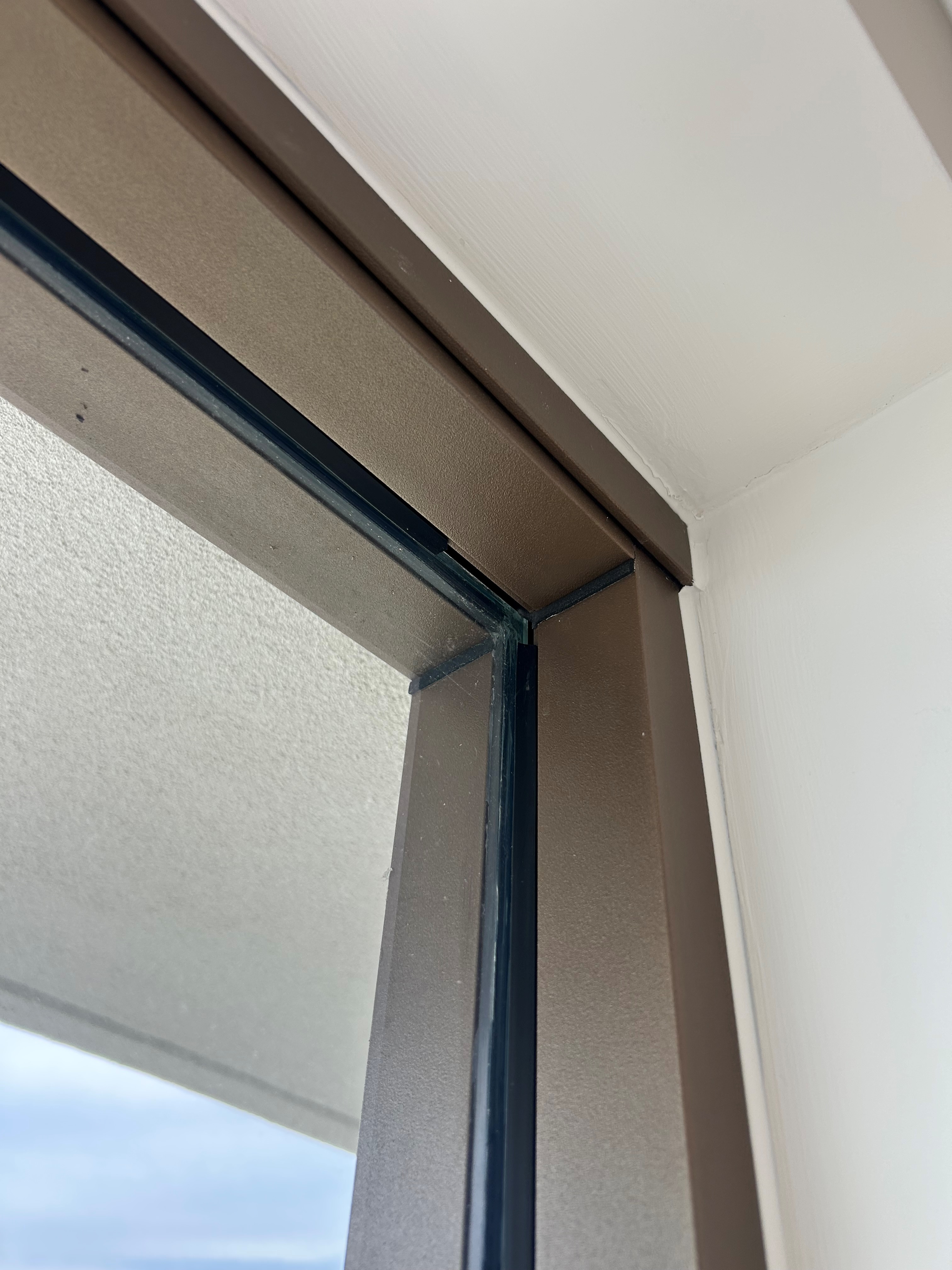
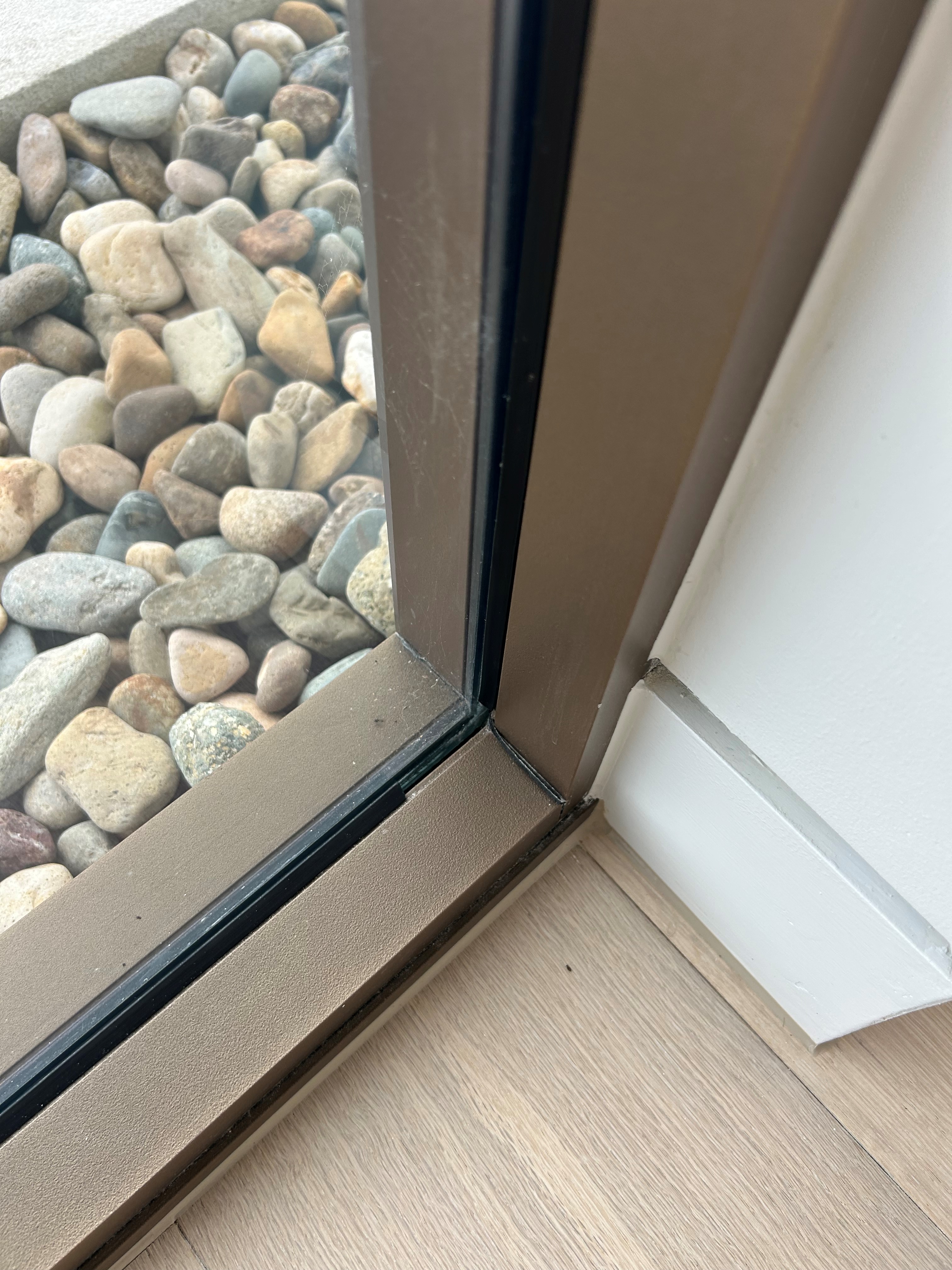
Guest Bedroom — incomplete / missing rubber glazing seals to upper glazing units facing the street and other window units

Guest Bedroom upper glazing to street-facing window assembly and other affected window units across the dwelling

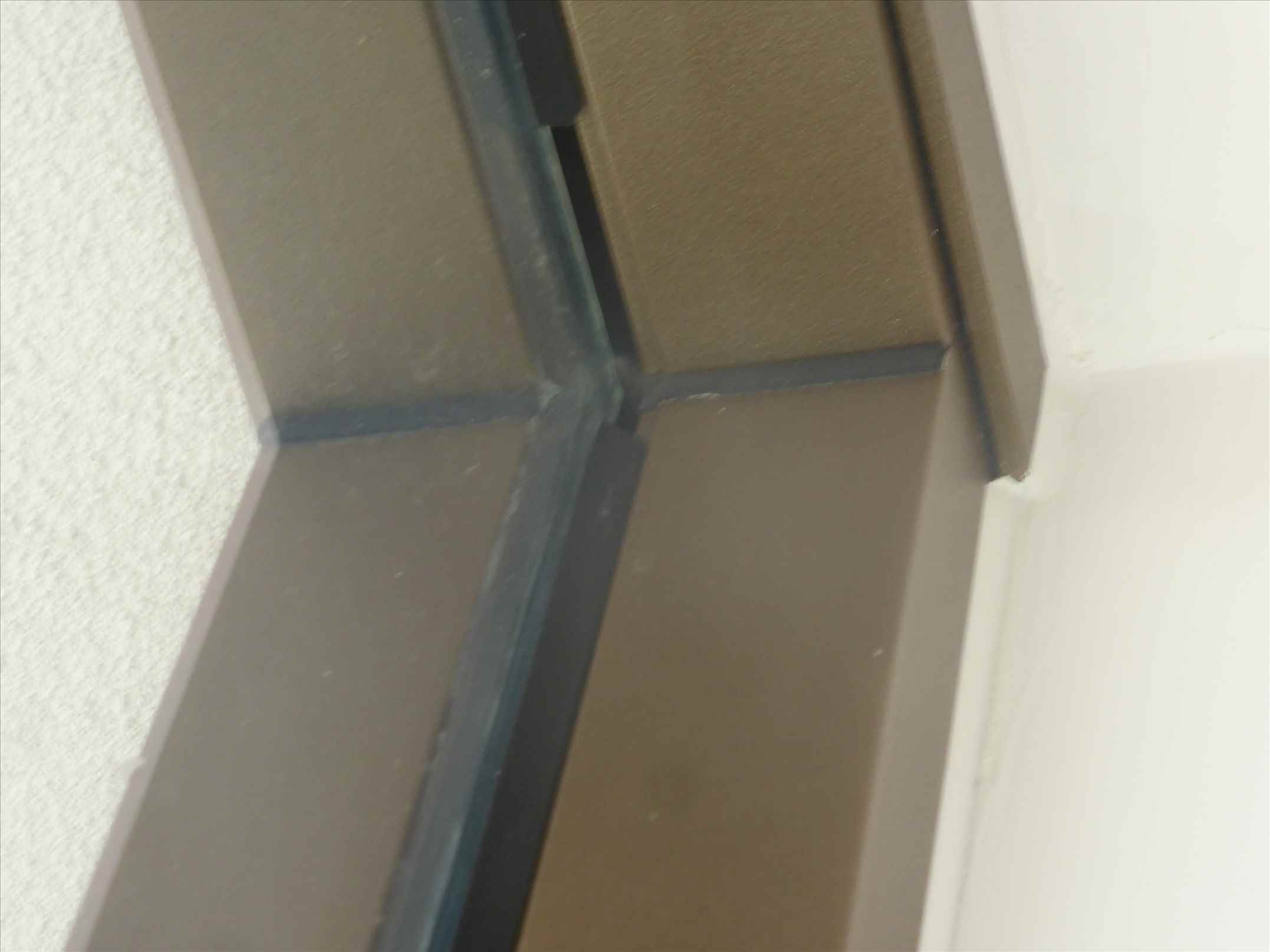
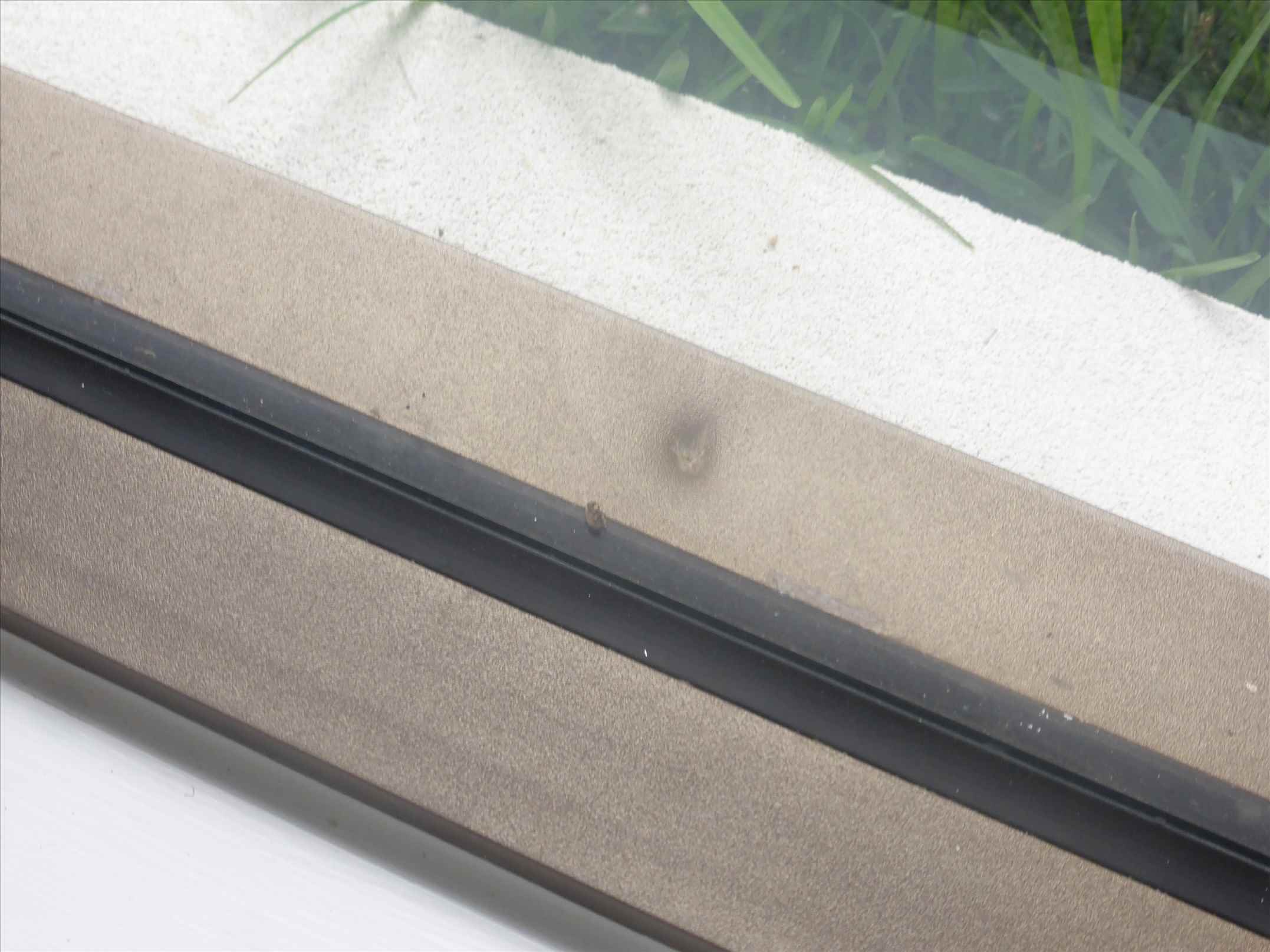
ObservationRubber glazing seals to the upper glazing units in the Guest Bedroom facing the street are incomplete or missing. Similar incomplete or missing seals were observed at additional window units across the dwelling (refer additional photos C003 and C004 for representative examples at frame corners). Glazing seals are the primary line of defence against water and air ingress at glass-to-frame junctions. Where the seal is incomplete or absent, the assembly does not meet the weather-tightness performance required under AS 2047:2014 and risks water ingress, condensation tracking, and glass-frame movement loosening over time.

RecommendationEngage the window installer to complete / replace the rubber glazing seals across every affected glazing unit in the dwelling (refer also additional photos). Verify each seal is correctly seated, continuous, and meets the manufacturer's installation specification. Test each unit under simulated rain (hose test) before sign-off. Verify the frame flashing behind the glazing is continuous.

p1140667p1140667
p1140668p1140668
C003C003
C004C004
G13 Verify
p1140688
p1140696

Pool barrier panel-to-panel and base gap verification

Pool barrier — multiple panel junctions around the pool perimeter

ObservationGaps between adjacent glass panels and between panel base and decking cannot be reliably measured from the photographs.

RecommendationDuring the site visit accompanying G1 rectification, measure every panel-to-panel gap and every panel base clearance with a calibrated 100 mm go/no-go gauge. Record and remediate any non-compliant dimensions per AS 1926.1:2012.

p1140688p1140688
p1140696p1140696
G14 Verify

Pool perimeter gate compliance to confirm

Pool enclosure access — to be identified on site

ObservationA compliant pool enclosure requires a self-closing, self-latching gate opening outwards from the pool, with latch release mechanism ≥ 1500 mm from finished surface on the outside, or shielded so that it cannot be reached from outside through a 10 mm opening within 450 mm.

RecommendationPhotograph and measure the pool enclosure gate(s). Verify compliance with all Section 3 requirements of AS 1926.1:2012.

G15 Verify
p1140730

Ground Floor Bathroom — element behind / adjacent to toilet to be verified on site

Ground Floor main bathroom — wall behind / adjacent to toilet

ObservationModern bathroom with frameless glass shower enclosure, wall-hung vanity, square floor waste. Note: an earlier draft of this finding referenced a wall GPO — this needs to be confirmed on site as no GPO is clearly identifiable in the supplied photo set.

RecommendationSite-verify whether a wall GPO exists in the Ground Floor Bathroom. If a GPO is present, verify it is outside Zones 0, 1 and 2 per AS/NZS 3000:2018 (generally ≥ 1.8 m horizontal distance from the shower head outlet); if within Zone 2, confirm IP-rated and RCD-protected; sight electrician's certificate. If no GPO is present, this finding is withdrawn.

p1140730p1140730
G16 Minor
p1140739
p1140740

Joinery / benchtop finish damaged or incomplete

Joinery / benchtop as detailed in p1140739 and p1140740

ObservationAreas of partially-painted setting compound, paint blob / primer patch, and a visible junction line between two surfaces not finished flush.

RecommendationMake good the joinery / benchtop finish to a consistent fall-and-finish standard; rectify the partially-painted setting compound and primer patches and dress the junction line between the two surfaces.

p1140739p1140739
p1140740p1140740
Level 3 — Upper Level / First Floor12 findings·2 Major·3 Moderate·7 Minor / Verify
U1 Major
C003
C004
C005
StandardsAS 2047:1999 (labelling provisions)AS 2047:2014 Clause 1.6NCC HP Part 7.5AS/NZS 1170.2 (height multiplier)

Windows missing AS 2047 compliance labelling — Upper Level (cross-reference to G4)

Upper Level — Master Suite glazing (large fixed-glazing wall and openable sashes), Master Ensuite, Kitchen, Pantry, Dining, Living, balcony sliding doors, and all openable and fixed glazing on this level

ObservationSame finding as G4, documented as a cross-reference for the Upper Level scope. The window units installed at the Upper Level — including the large fixed-glazing wall to the Master Suite, the small operable sash within it, the kitchen and living-area windows, and the balcony sliding doors — do not carry the AS 2047 compliance labelling required since the 1999 edition (refer additional photos C003, C004 and C005). The Upper Level windows warrant particular attention in the AS 2047 verification because the Upper Level is exposed to higher wind pressures than the Ground Floor (height multiplier under AS/NZS 1170.2). The serviceable design pressure required for Upper Level windows will typically be higher than for Ground Floor windows on the same site, and the test certificate for each Upper Level unit is to be checked against the higher SDP requirement.

RecommendationSee G4 for the full investigation and rectification scope. Rectification must cover every Upper Level window unit in addition to the Ground Floor units. Particular attention is required to the balcony sliding doors (which carry both wind and water duties at a primary external opening) and the large Living / Dining glazing facing the rear and side of the dwelling.

C003C003
C004C004
C005C005
U2 Major
p1140610
p1140611
p1140762
StandardsAS 3740:2021 (Section 3 / Figure 3.3)AS 3958.1:2007NCC HP Part 10.2

AS 3740 wet-area waterproofing — Upper Level (cross-reference to G5)

Upper Level — Master Ensuite, WC

ObservationSame finding as G5, documented as a cross-reference for the Upper Level wet areas. The four AS 3740 non-compliance items observed dwelling-wide affect the Upper Level wet areas as well as the Ground Floor wet areas: G5.1 — Door-threshold waterstop angle. The door thresholds to the Master Ensuite and WC are to be inspected on site against AS 3740 Figure 3.3. If the waterstop is absent (consistent with the photographic evidence at the Ground Floor entries), the Upper Level wet areas have the same threshold non-compliance. G5.2 — Tap and other penetrations. Every penetration through a wet-area wall or floor substrate in the Master Ensuite and WC is to be inspected. The example photographed at p1140762 is taken as representative of the wet-area trade quality across the dwelling. G5.4 — Perimeter edge angles. No edge angles are installed at the perimeter of the wet-area tiling where it meets the adjoining carpet / timber flooring; the membrane-termination detail at the perimeter is to be confirmed to AS 3740:2021. (G5.3 — the unenclosed shower recess stepdown — relates specifically to the Ground Floor Guest Ensuite and is not re-listed here.)

RecommendationSee G5 for full investigation and rectification scope. Rectification must cover the Upper Level wet areas in addition to the Ground Floor wet areas. Issue a new (or revised) AS 3740:2021 waterproofing compliance certificate following all rectification work.

p1140610p1140610
p1140611p1140611
p1140762p1140762
U3 Moderate
p1140641
p1140642
StandardsAS/NZS 2312.1:2014 (corrosivity category C5-M for coastal exposure)

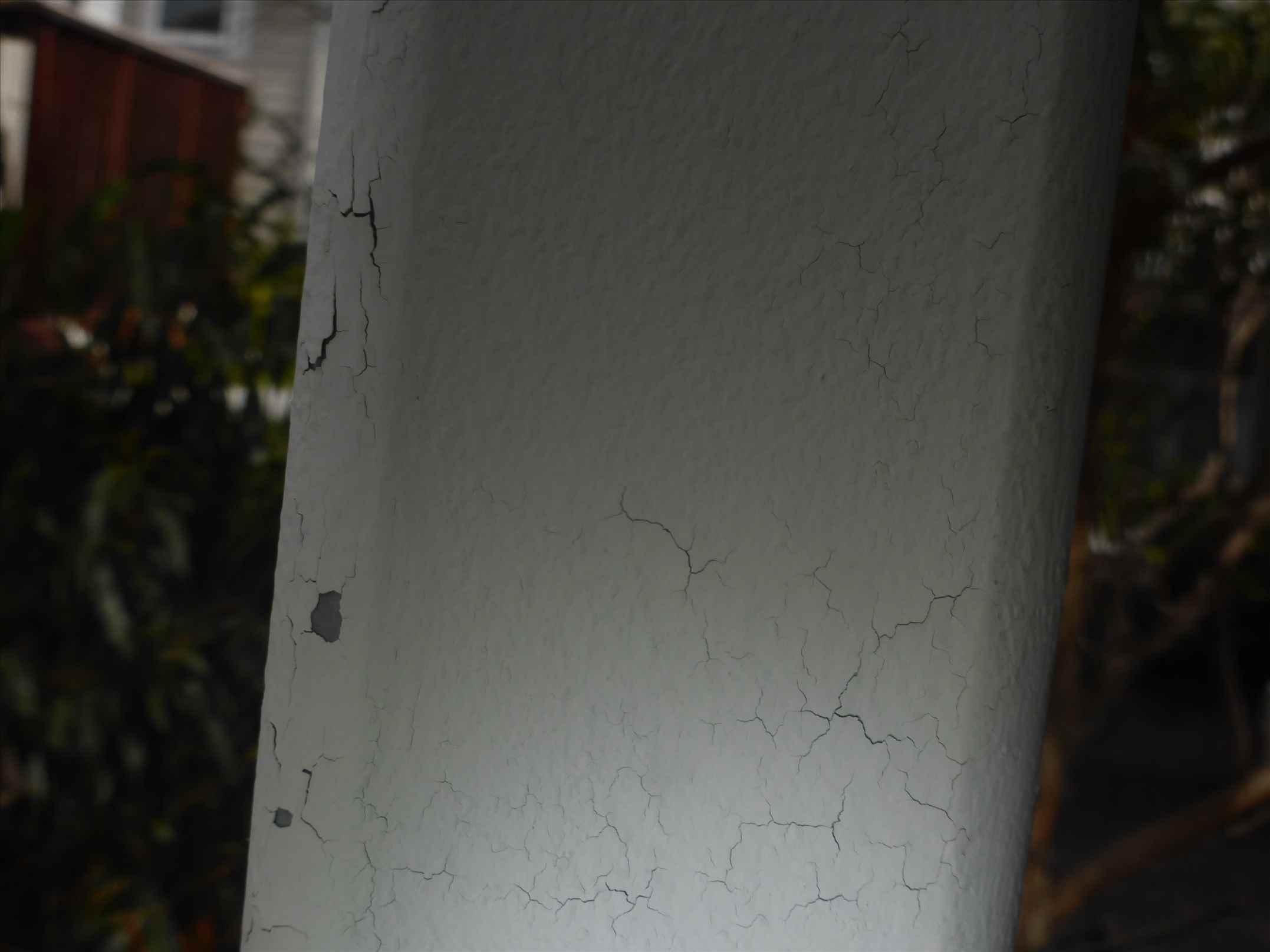
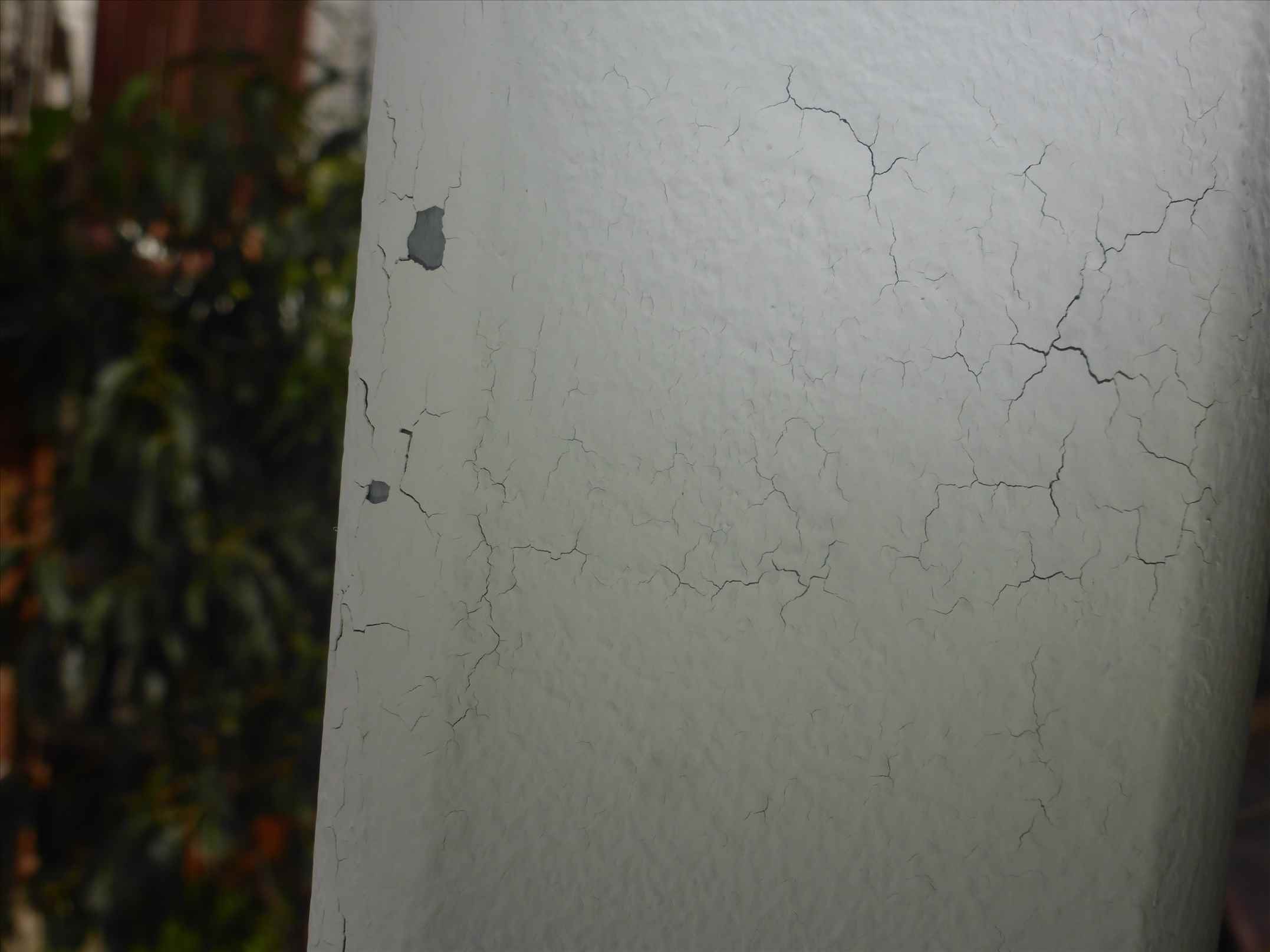
Cracking and delamination of protective paint coating on balcony steel support post

External balcony — steel support post (column supports the concrete roof over the balcony)

ObservationExtensive cracking and delamination of the protective paint coating on a steel balcony support post. The coating system is breaking down across the affected area, exposing the steel substrate to coastal-exposure corrosion (proximity to South Coogee makes this a C5-M exposure category). Progressive coating failure leads to loss of section at the post and reduced structural capacity over time.

RecommendationStrip back the failed coating to a sound substrate; surface-prepare to a cleanliness class appropriate to the new system (typically Sa 21⁄2 for blast-cleaning); apply a paint system complying with AS/NZS 2312.1 for C5-M exposure. Retain manufacturer's specification and installer's records.

p1140641p1140641
p1140642p1140642
U4 Moderate
p1140634
p1140792
p1140793
StandardsAS/NZS 3500.3:2021

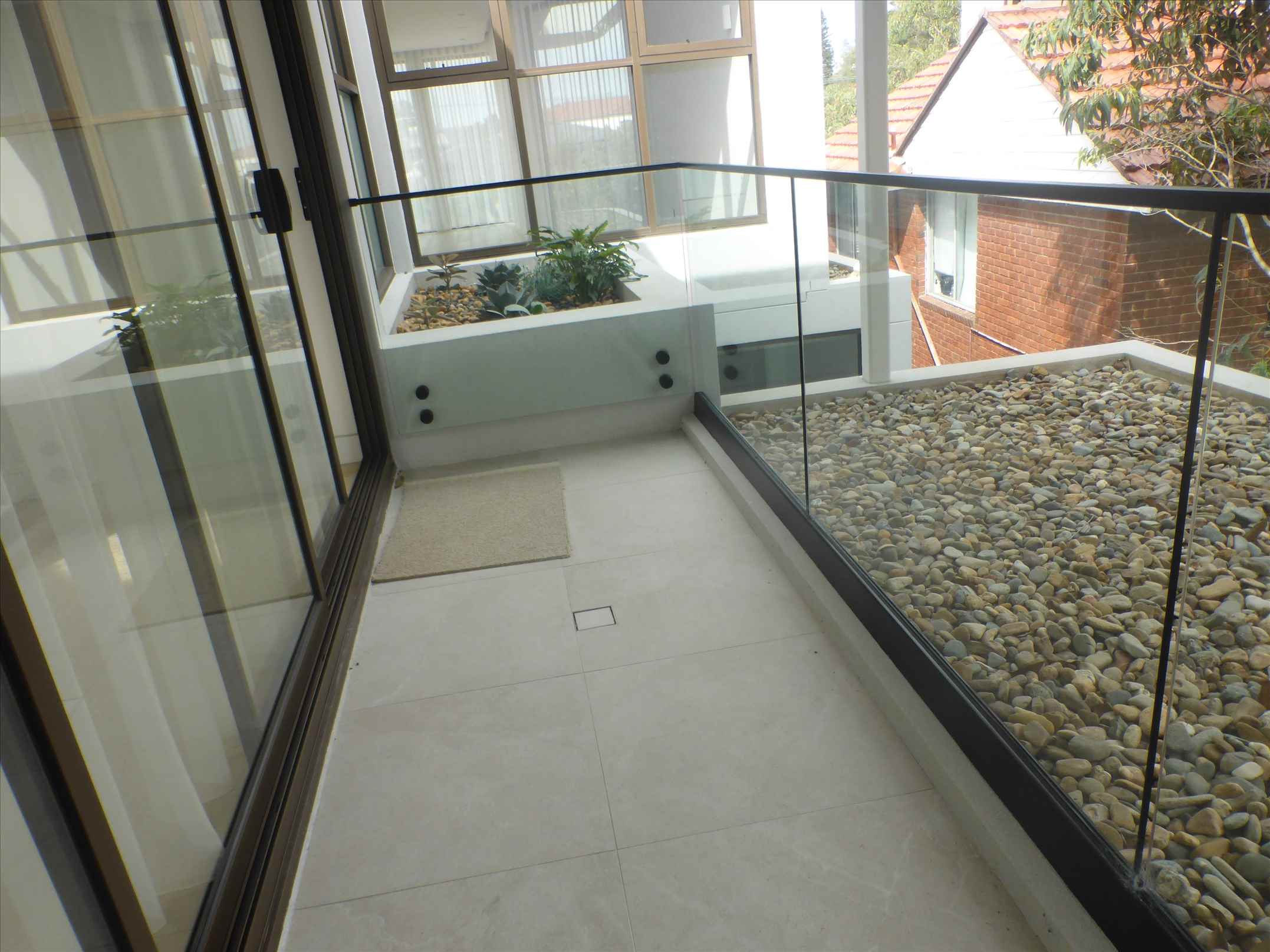
Balcony and many roof areas — no emergency overflow installed

First Floor balcony

ObservationNo emergency overflow is installed at the upper-level balcony drainage point and multiple upper roof areas. If the primary drains block (debris, ice, root matter), water has nowhere to escape other than back-flooding into the dwelling at the threshold or finding its way through wall / floor junctions. Emergency overflows are required under AS/NZS 3500.3 for balcony drainage where back-flooding into a habitable area is possible Refer example photos p 1140792, p1140793 showing an apparent lack of emergency overflows to the upper roof areas.

RecommendationInstall a compliant emergency overflow at the balcony drainage point — sized to the catchment, located so that overflow is visible and discharges clear of the dwelling. Confirm primary drain trap, grate class and rainwater connection. Retain installer's certification. Install emergency overflows to all roof areas as required.

p1140634p1140634
p1140792p1140792
p1140793p1140793
U5 Moderate
C002
C011
refer also G9.6, G11
StandardsAS 4386:2014NCC HP Part 10.3

Vanity unit defects — Upper Level (cross-reference to G11)

Upper Level — Master Ensuite vanity, WC vanity

ObservationSame finding as G11, documented as a cross-reference for the Upper Level scope. The vanity defects (poor finish, chips, soft-closures not operating, drawers coming off hinges) are present in the Upper Level vanities as well as the Ground Floor units.

RecommendationSee G11 for full rectification scope.

C002C002
C011C011
U6 Verify
p1140609
p1140587

Master Ensuite — items requiring further investigation

Master Ensuite and adjoining WC

ObservationFinished wet area with freestanding bath, natural stone vanity, large-format tiled floor, linear channel drain in shower zone, square floor waste, highlight window above bath. Appearance generally satisfactory but compliance items cannot be verified from photographs alone.

RecommendationObtain the waterproofing compliance certificate (AS 3740). Verify GPO clearance from basin (not in Zone 1). Test mechanical exhaust operation. Verify highlight window above bath is Grade A safety glazing.

p1140609p1140609
p1140587p1140587
U7 Operational
p1140607

Window child-safety device — key left in lock

Openable window to Master Suite area

ObservationKey-operated window restrictor device is installed (compliant); however the blue key is shown inserted in the lock at the time of photograph, which defeats the child-safety function.

RecommendationRemove the key from the lock during normal use and store inaccessible to young children. No physical rectification required.

p1140607p1140607
U8 Minor
p1140653

Unsealed cabinet base penetration

Under-sink cabinet — base plate

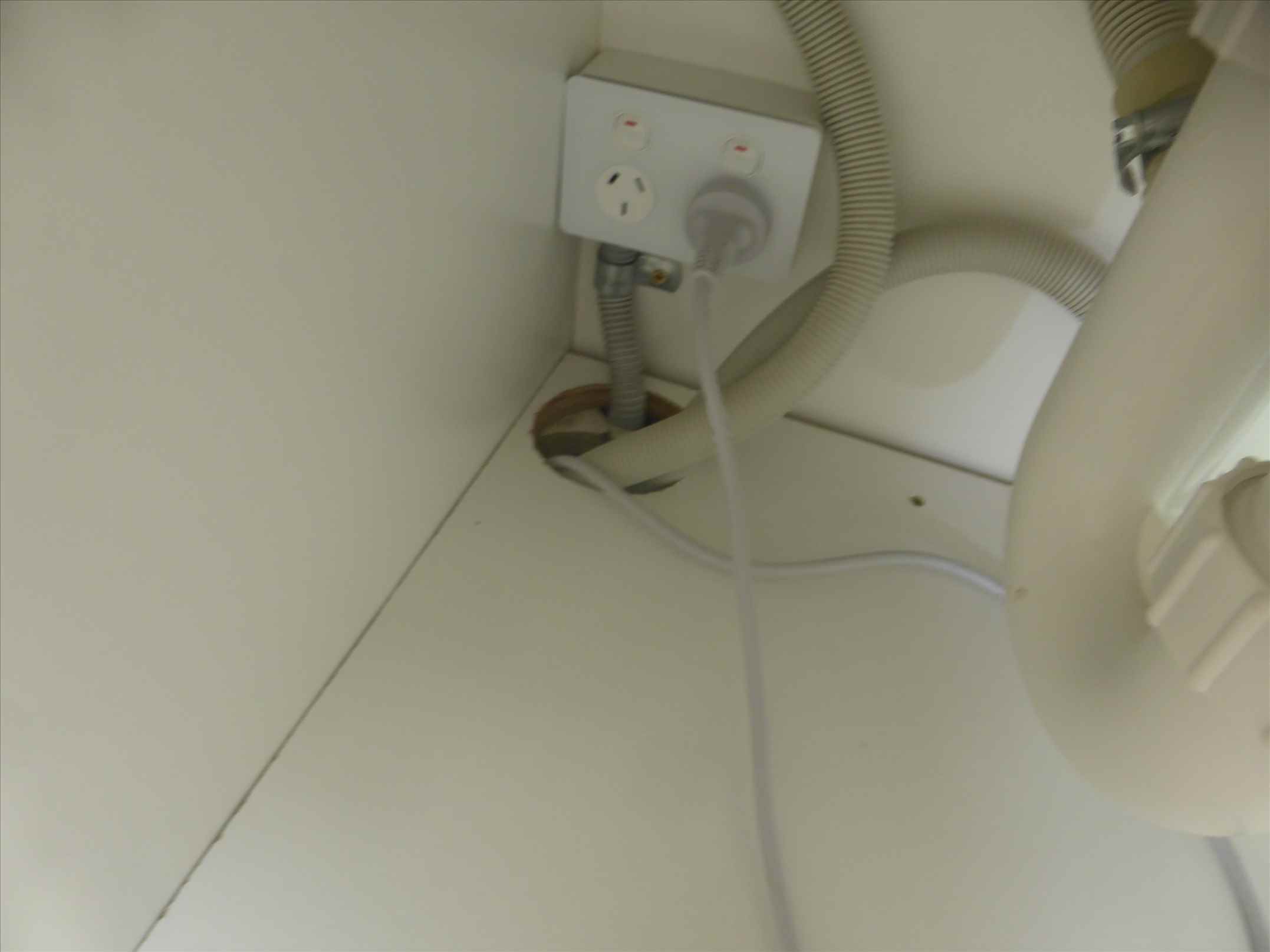
ObservationFlexible corrugated waste hose (consistent with dishwasher drain) passes through a roughly-cut oversized opening in the cabinet base; gaps around the hose are unsealed. A second penetration is also visible.

RecommendationSeal penetrations with a rodent-proof flexible sealant collar. Confirm dishwasher drain has proper air-break or high-loop installation to prevent back-siphonage per AS/NZS 3500.2.

p1140653p1140653
U9 Minor
p1140589

Exhaust fan perimeter finish uneven

Ceiling of Master Suite area — black-framed ceiling exhaust fan

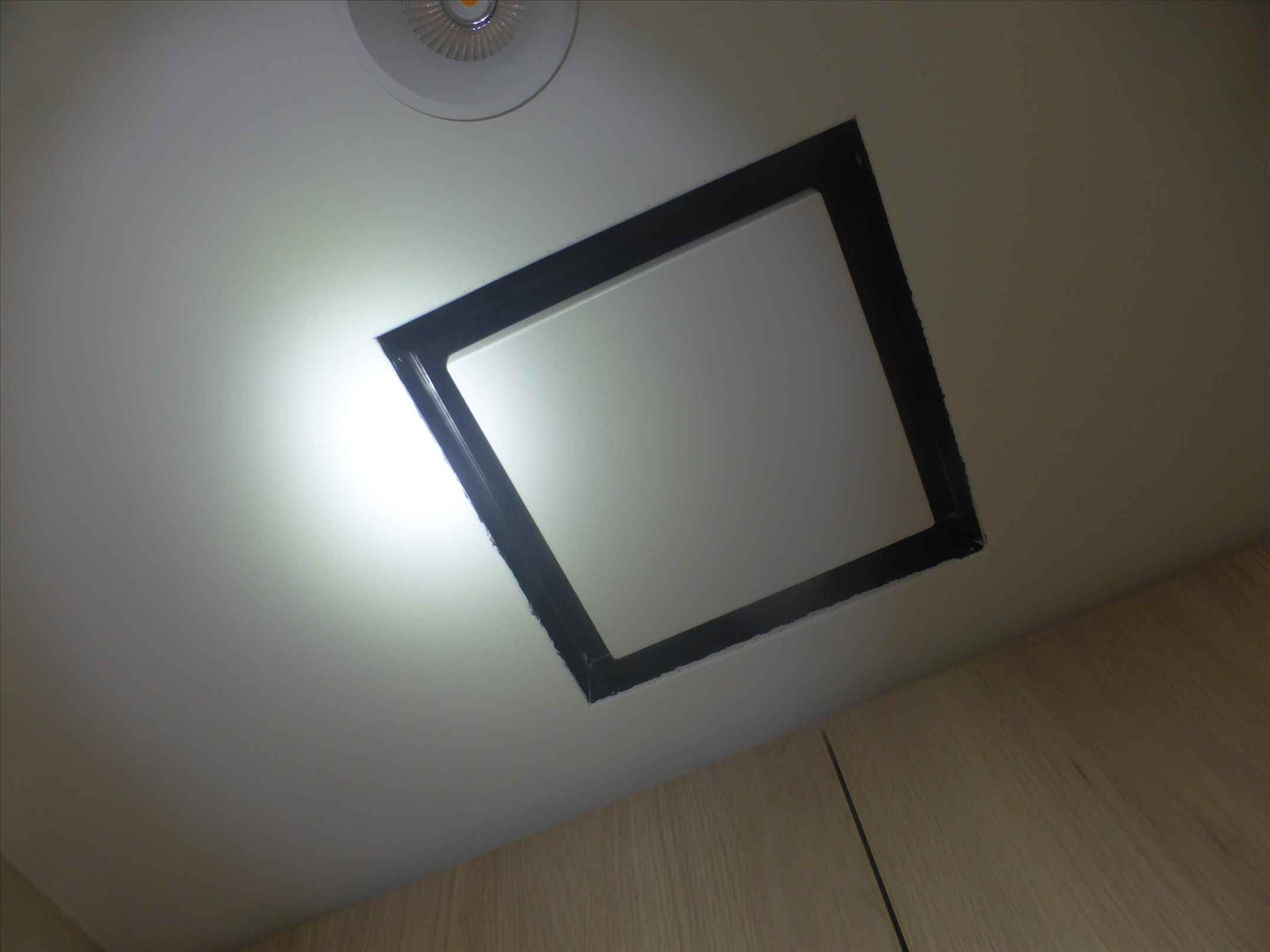
ObservationPaint / cornice edge along the exhaust fan frame (not a skylight, as previously recorded) is uneven with patchy setting compound. Small gap visible between the frame and the adjacent ceiling lining in places.

RecommendationMake good the plasterboard and paint at the exhaust fan perimeter to a Level 4 finish per AS 2589.1.

p1140589p1140589
U10 Minor
p1140670

Excess render / paint at external window / door head

External head of window / sliding door unit. Specific location to be identified on site during walk-through verification.

ObservationExcess render and paint built up at the external head of a window / sliding door frame. Cosmetic finishing issue — does not present a weatherproofing path.

RecommendationCut back excess render; make good paint to a Level 4 finish; verify across all external frames in the dwelling.

p1140670p1140670
U11 Minor
p1140595
p1140596

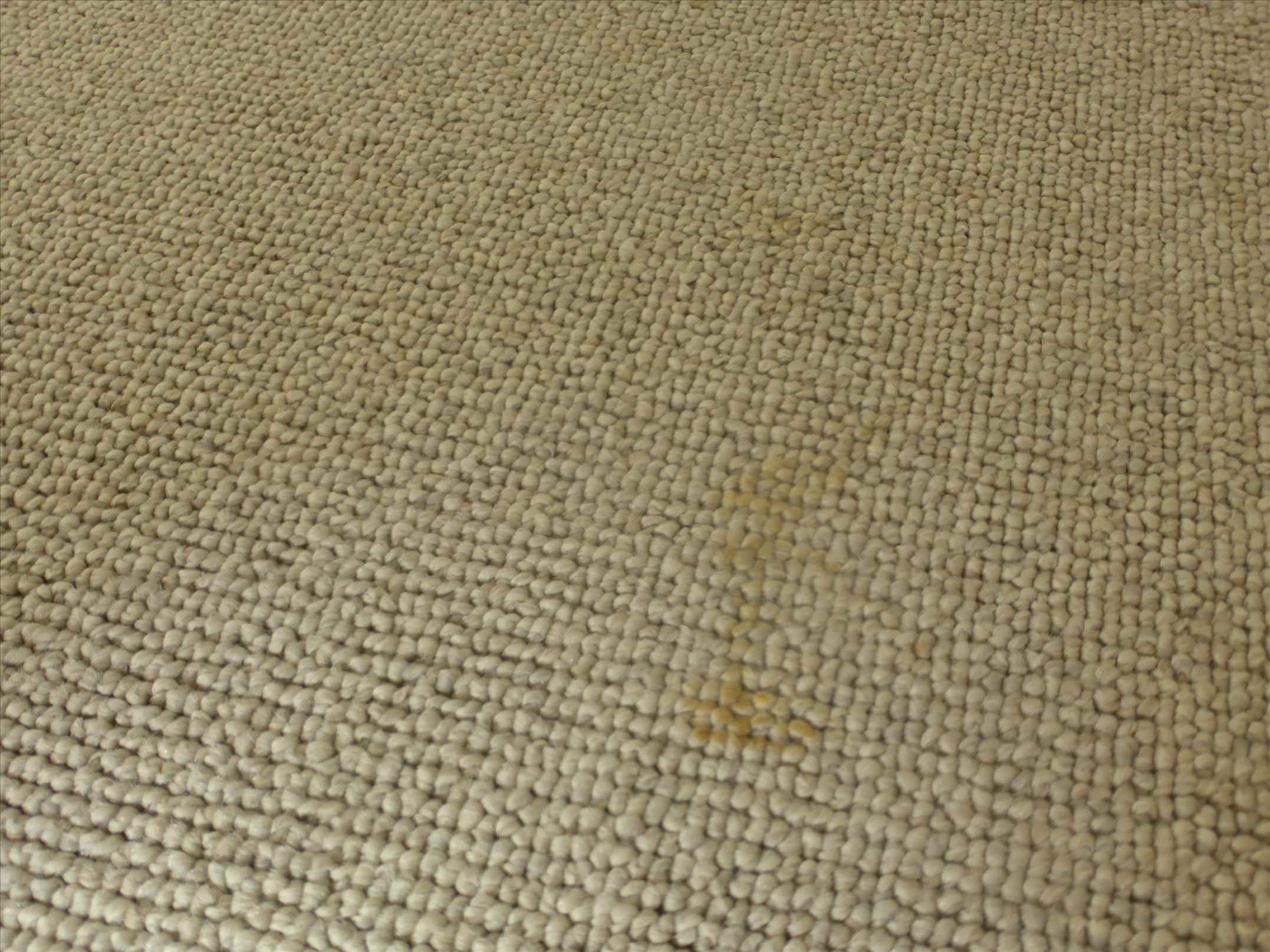
Carpet staining — generally to all bedrooms, most significant in the Master

Carpeted areas — staining is observed generally across all bedrooms in the dwelling, with the most significant staining in the Master Suite

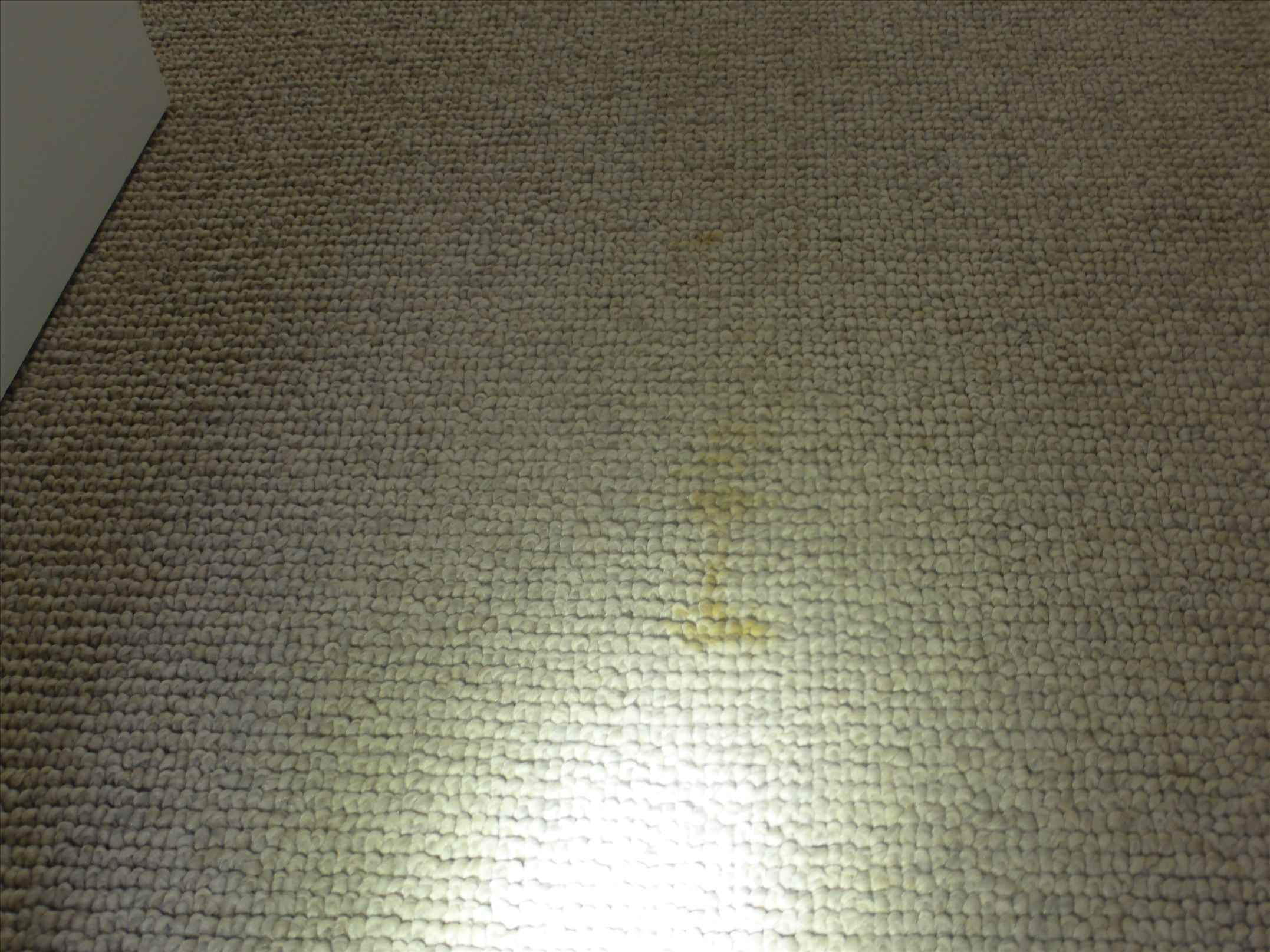
ObservationYellow discolouration on the wool loop-pile carpet in several locations, present across multiple bedrooms. Master Suite shows the most concentrated staining.

RecommendationProfessional carpet clean across all affected bedrooms. If the stain does not lift, investigate source (possible plaster contamination during finishing) and patch-replace any sections that cannot be cleaned.

p1140595p1140595
p1140596p1140596
U12 Minor
p1140618
StandardsAS 4773.1:2015AS 2589.1:2017

Master Bedroom — silicone incomplete to mirror installation; temporary support still in place

Upper Level — Master Bedroom mirror

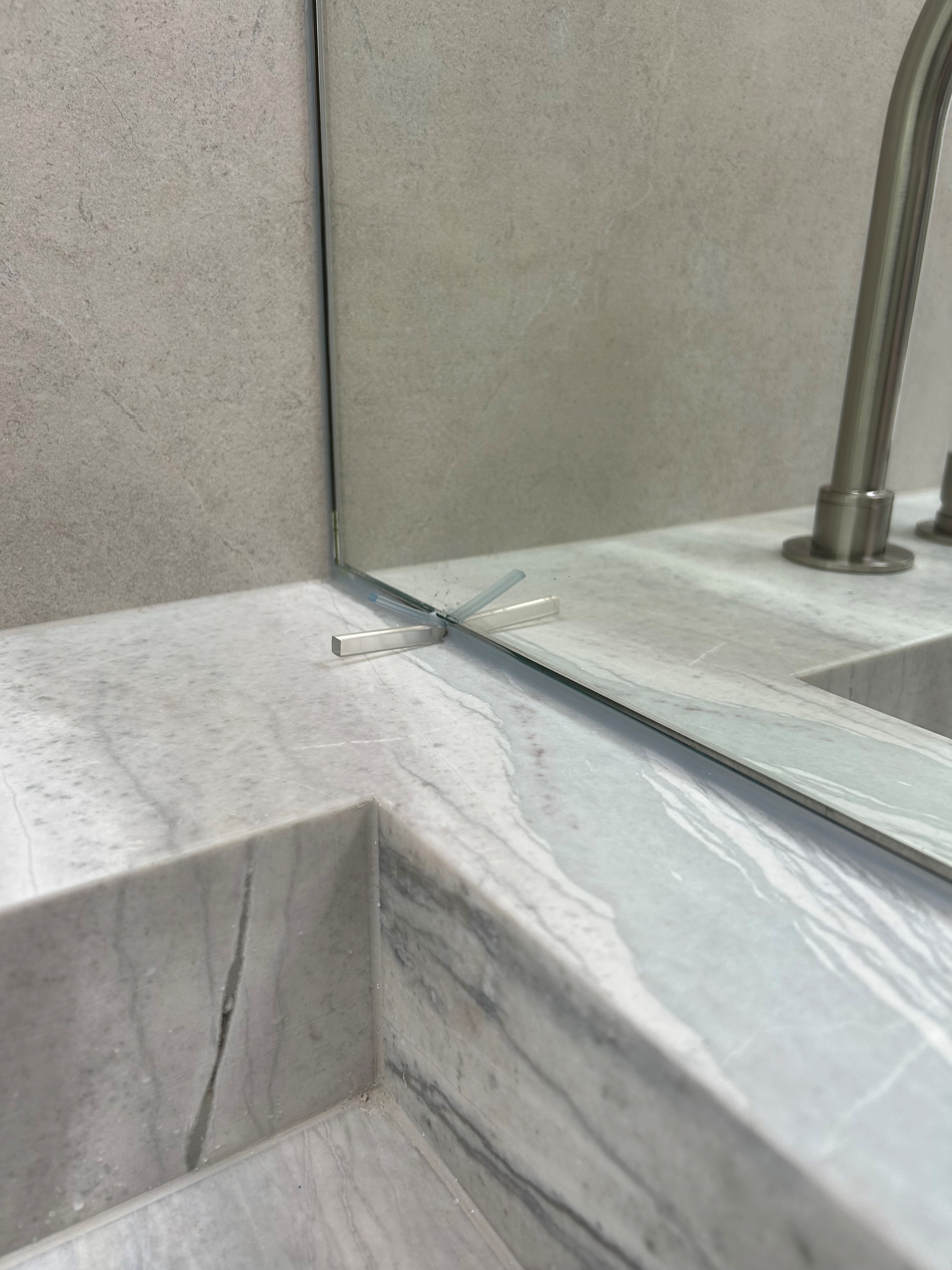
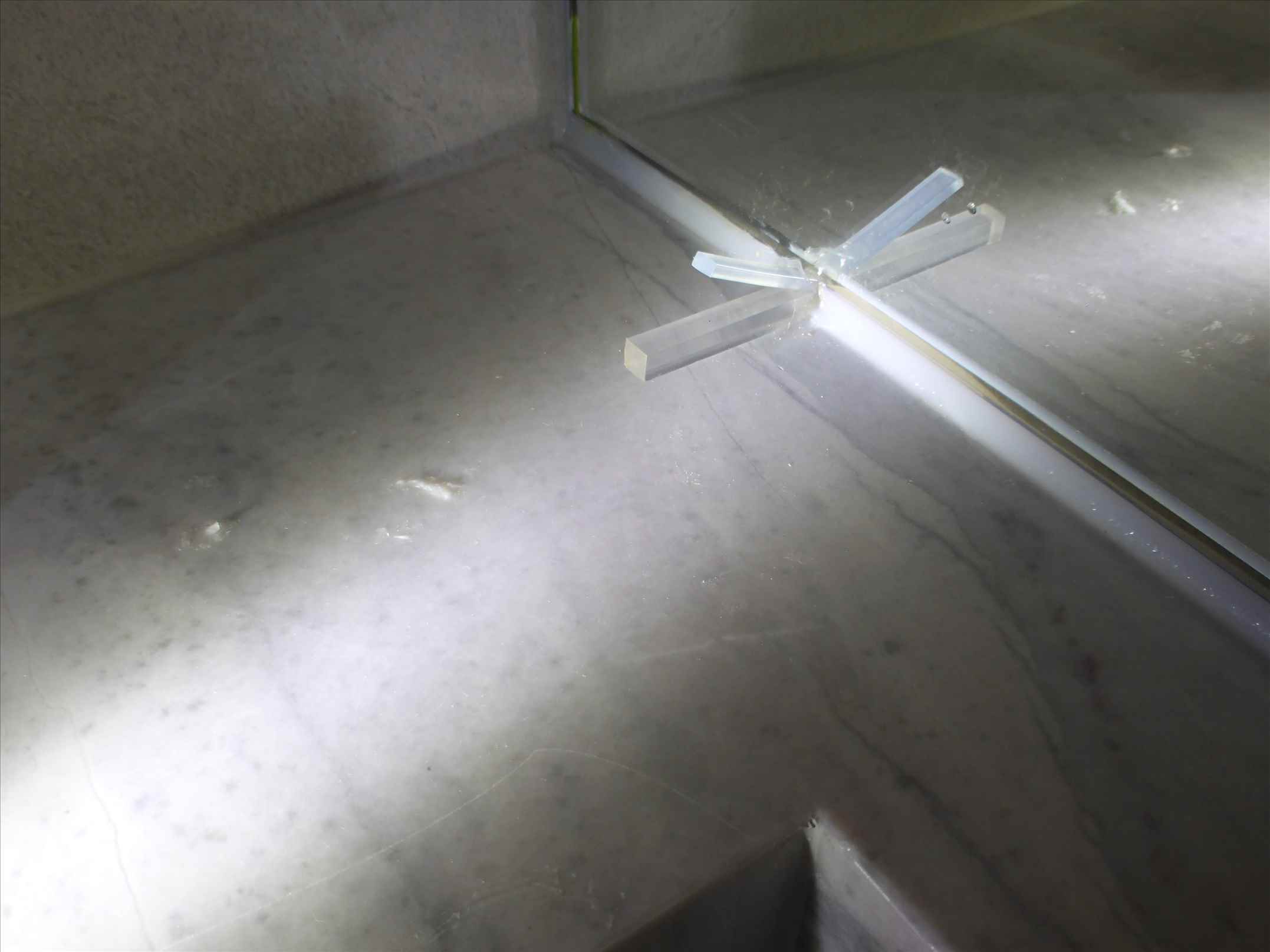
ObservationThe silicone bead to the Master Bedroom mirror installation is incomplete. A temporary support is still in place behind the mirror at the time of inspection, indicating the install was not completed. An incomplete silicone bead provides no permanent fixing or bedding for the mirror, and the temporary support is not a finished installation.

RecommendationEngage the joinery / mirror contractor to complete the silicone bead around the full perimeter of the mirror, remove the temporary support, and verify the mirror is securely bonded to the substrate. Make good any wall finish damage caused by the temporary support.

p1140618p1140618
Level 4 — Roof, Exterior, Façade and Services9 findings·2 Moderate·7 Minor / Verify
R1 Moderate
p1140799
p1140800

Cavity-wall weep holes — partially blocked, missing, or rendered over; DPC not visible

External cavity wall — sample weep hole inspected; further perimeter checks required

ObservationA sample weep hole at the base of the external cavity wall is partially blocked. Beyond the sample location, the inspector also notes that: (1) cavity-wall weep holes are missing and / or have been rendered over along the cavity flashing line and along window head and sill flashings at multiple locations around the dwelling; (2) the damp-proof course (DPC) is not visible at the inspector's vantage points along the cavity-flashing line. Weep holes are the cavity drainage pathway in cavity-wall construction — they discharge any moisture that has crossed the external leaf or condensed within the cavity. A blocked, missing or rendered-over weep hole impedes cavity drainage and risks moisture banking up in the cavity, leading to dampness in the inner leaf and corrosion of any wall ties. A non-visible DPC raises a separate concern about whether the DPC has been correctly installed and detailed at the cavity-flashing line.

Recommendation(1) Clear the sample weep hole and inspect every weep hole around the perimeter of the dwelling for similar blockage; clear all weep holes that are partially or fully blocked. (2) Re-establish weep holes wherever they have been rendered over — typical spacing is 600 mm or one weep hole every fourth perpend, whichever is the closer. (3) Verify the DPC has been installed and is correctly lapped at the cavity-flashing line — likely intrusive inspection required (lift a course of bricks at a sample location) or sight the bricklayer's records. Confirm cavity is otherwise clear by reference to original construction records.

p1140799p1140799
p1140800p1140800
R2 Moderate
p1140785
p1140786

Crack at render-to-paving junctions in multiple entry-stair locations

External entry paving / stair — multiple junctions between rendered wall and stone paving

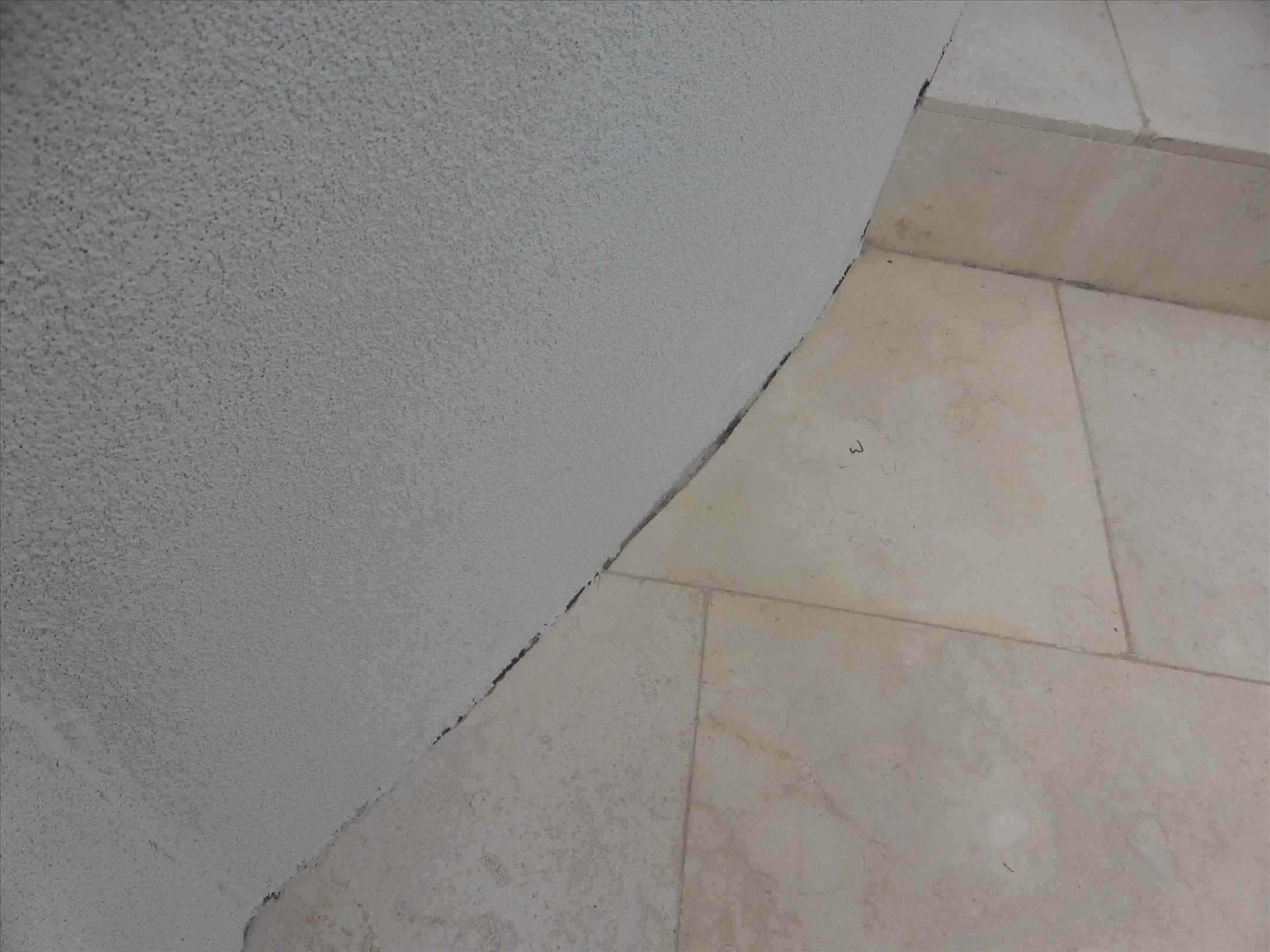
ObservationVisible gaps / cracks at the interface between the base of rendered walls and stone paving in multiple entry-stair locations. Direct water ingress paths at horizontal junctions which will progress if not sealed.

RecommendationAt each affected location, clean out the junction, apply a compressible backer rod, and seal with a neutral-cure silicone sealant suitable for exterior stone / render. Verify the waterproof membrane beneath the paving is continuous against the wall up-stand at each location.

p1140785p1140785
p1140786p1140786
R3 Verify
p1140786

Front entry stair — geometry, slip resistance, handrail compliance and tiling defects

External front entry stair — stone tiled treads and risers, rendered planter walls, step-riser LED lights, metal top handrail

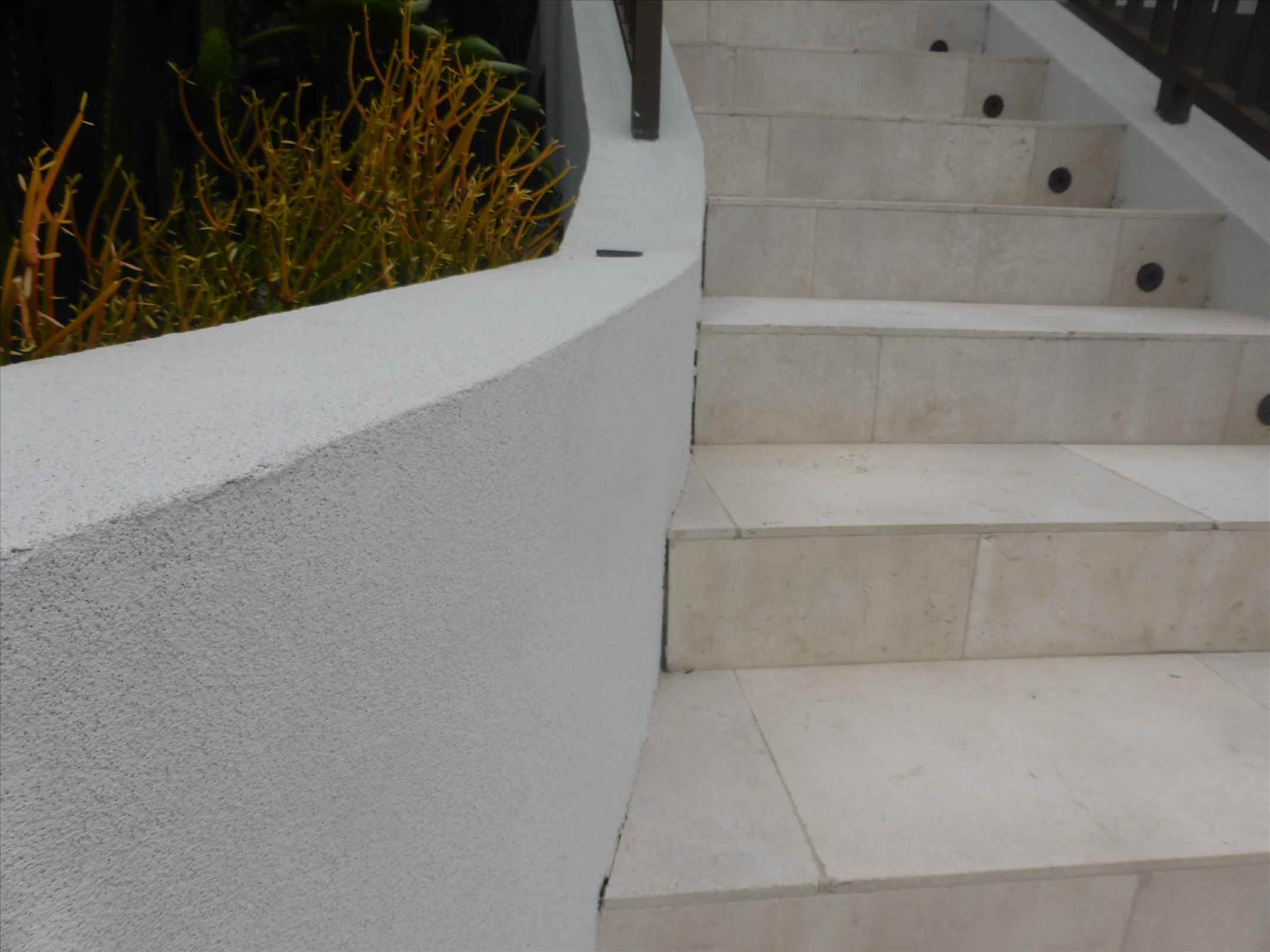
ObservationStair well-presented with LED step lighting. Two distinct issues at this location: Tiling defects (apparent on-site and from photograph). Unacceptable gaps are visible between the floor / tread tiling and the adjacent rendered wall, and a number of tile-to-tile joints in the entrance stair are open or poorly finished. Direct water-ingress paths. Compliance items requiring on-site measurement. Consistent going and riser dimensions cannot be verified from the photograph (NCC: rise 115 – 190 mm, going 240 – 355 mm, dimensional variation ±5 mm between treads); slip resistance of the stone tile nosings under wet conditions; handrail height and continuity; required balustrade / barrier where fall height > 1 m.

RecommendationTiling rectification: Rake out and re-grout open tile joints across the entrance stair area. At every tile-to-wall junction, clean out the gap, install a compressible backer rod where appropriate, and seal with a colour-matched neutral-cure silicone sealant suitable for exterior stone. Verify the waterproof membrane beneath the paving / treads is continuous against the wall up-stand at each location. Compliance measurement: On site, measure rise and going of each tread; obtain slip-resistance classification (supplier documentation or AS 4586 pendulum test); measure handrail height; confirm balustrade height where fall exceeds 1 m.

p1140786p1140786
R4 Minor
p1140792
p1140793

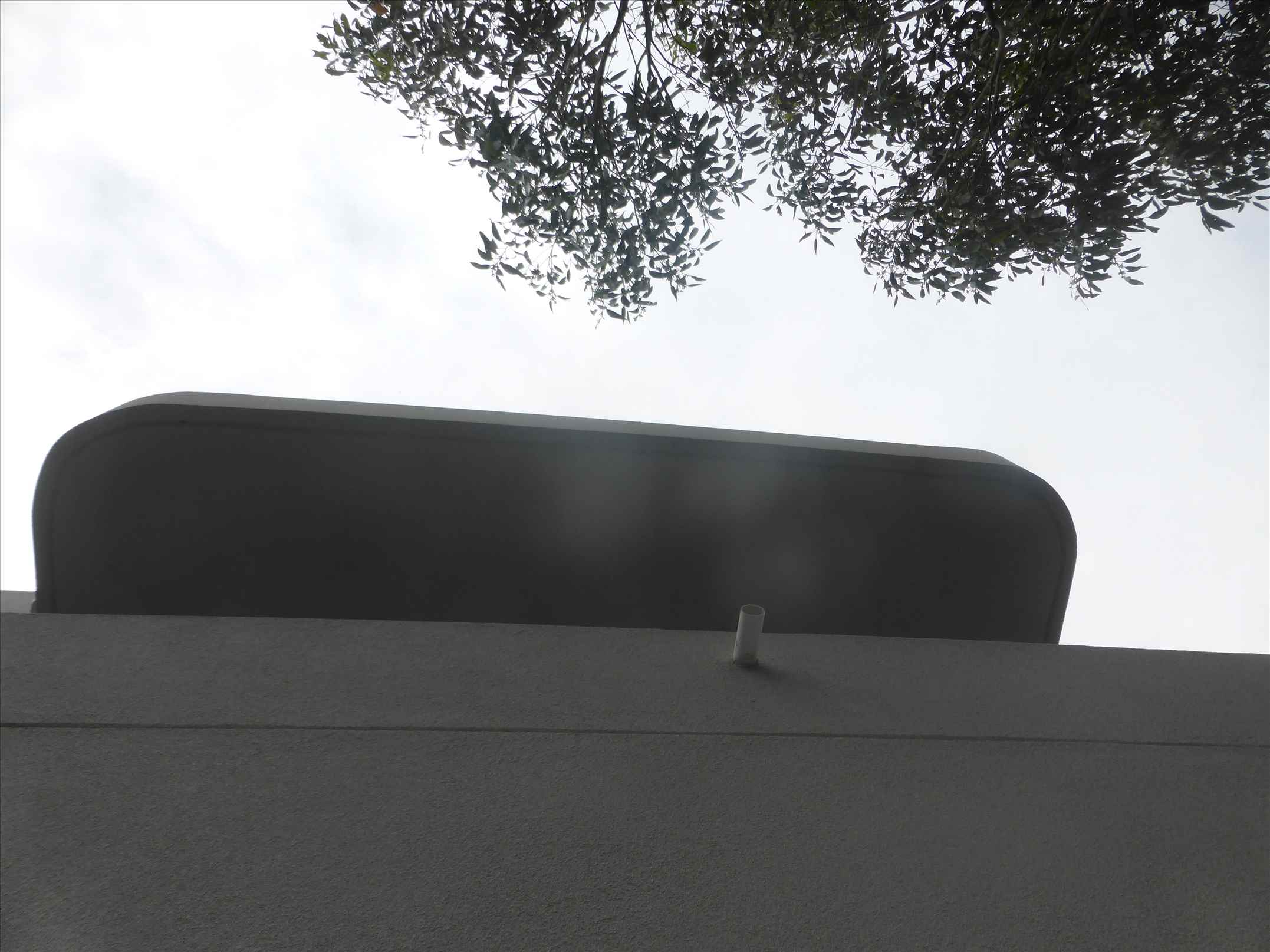
Roof covering / membrane, box gutters, parapet cappings, flashings — not inspected

Roof generally

ObservationOnly limited oblique views of the parapet edge and a single surface-fixed downpipe are visible. The roof surface, waterproofing, box gutters, overflows, rainwater heads, sumps, parapet cappings, HVAC penetrations, skylights and service vents have not been inspected from above.

RecommendationEngage a licensed roofing contractor and / or roof plumber for a specialist inspection under the roof disclaimer. Standards engaged: AS/NZS 3500.3:2021; AS/NZS 2904:1995; NCC HP Part 7.5; AS 4654.2:2012.

p1140792p1140792
p1140793p1140793
R5 Minor
p1140787
p1140788

Render unevenness and hollow-sound area to wall supporting external entry stair (adjacent to storeroom door)

External rendered wall — specifically the wall supporting the external entry stair, adjacent to the storeroom door

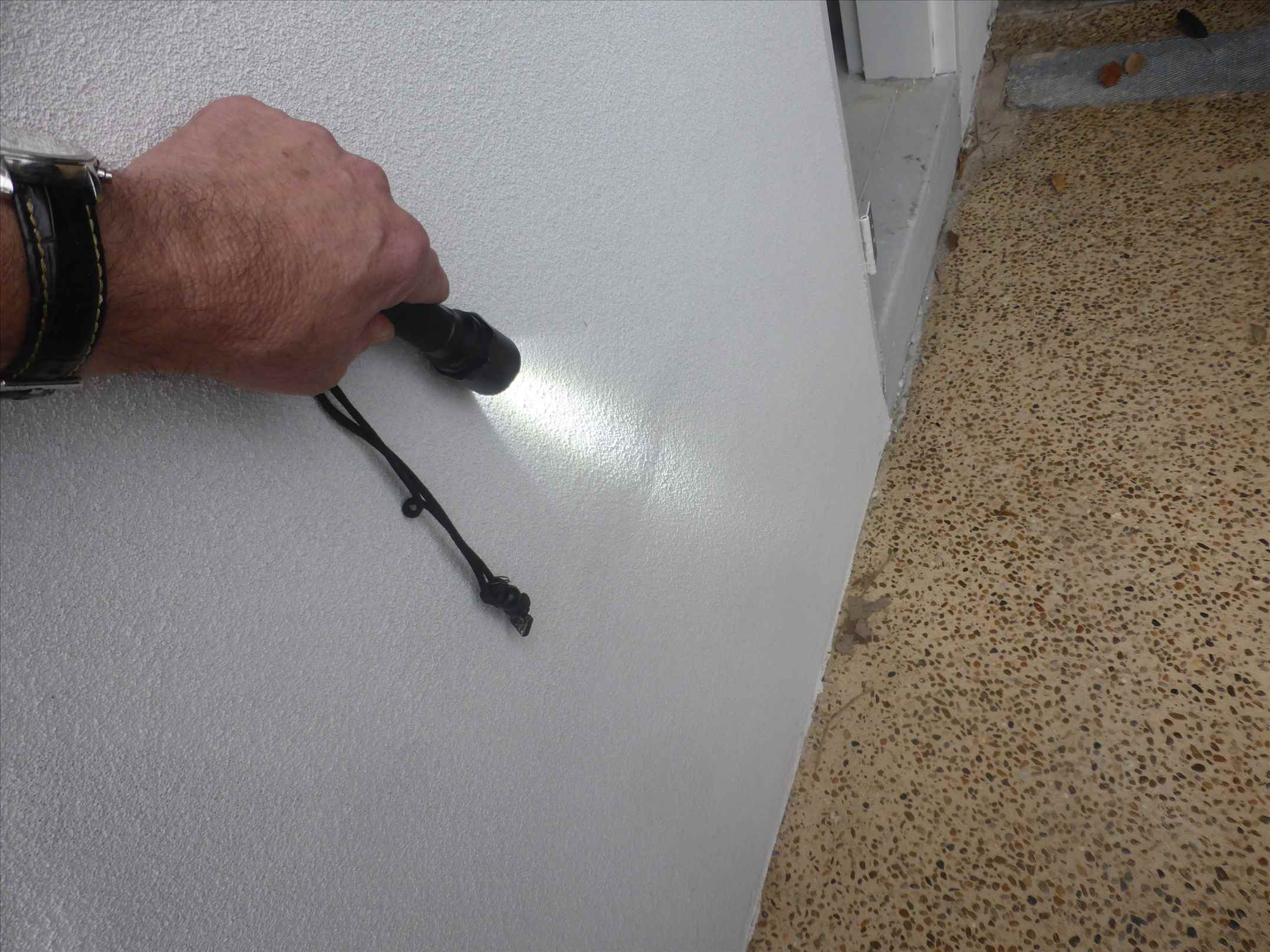
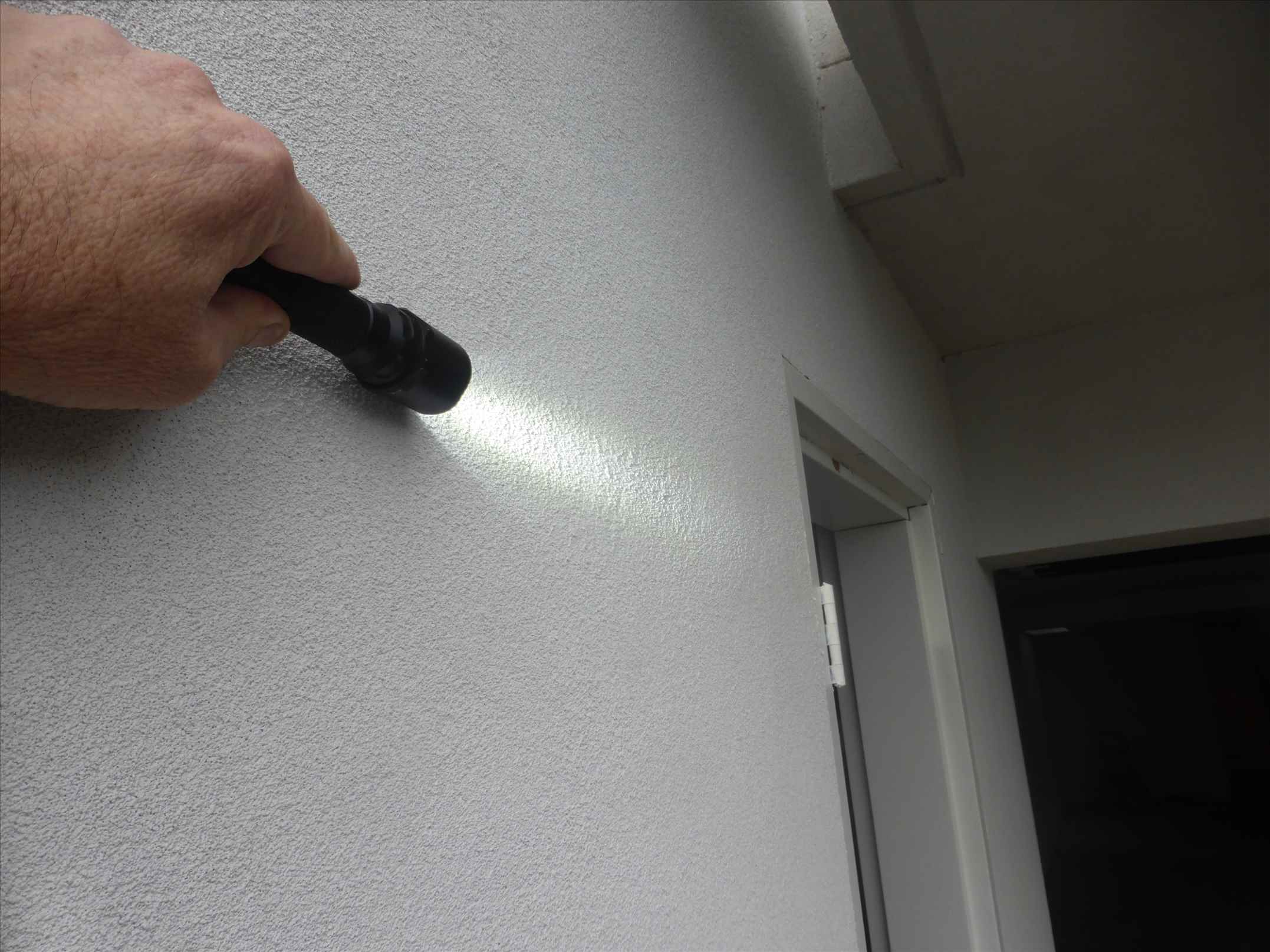
ObservationA definite, visible patch to the render is identified to the wall supporting the external entry stair (adjacent to the storeroom door). Inspector's torch used at a shallow angle confirms the area as a bulge with associated irregularities. A hollow sound is also identified at the same location when sound-tested by tapping. The combination of visible patching and hollow sound indicates partial render delamination that requires rectification, not just cosmetic make-good.

RecommendationRemove loose / hollow render at the affected location back to a sound edge, key the substrate, and re-render per the original specification. After repair, re-paint the wall to a Level 4 finish.

p1140787p1140787
p1140788p1140788
R6 Minor
p1140791

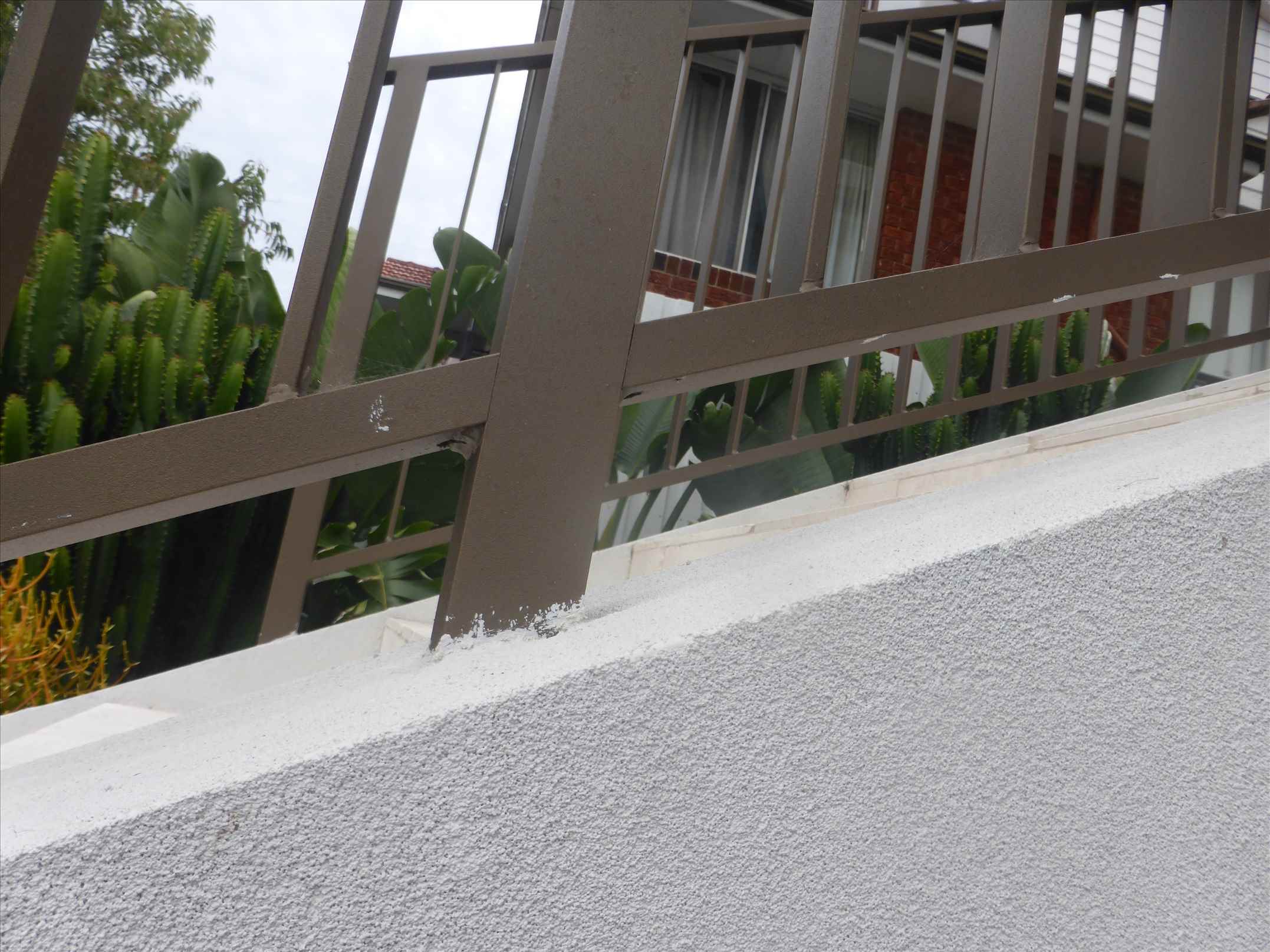
Balustrade post-to-capping junction corrosion / finish breakdown

External balustrade to front entry / approach — steel rectangular posts set into stone capping over a rendered wall

ObservationWhitish compound residue and beginnings of rust staining at the base of one or more balustrade posts where they meet the stone capping. Coating / paint finish shows early breakdown.

RecommendationClean the post / capping junction; verify post fixings are sound; strip back flaking coating; treat any corrosion; recoat with a paint system appropriate to coastal exposure (likely C5-M) per AS/NZS 2312.1:2014. Seal the post-to-capping junction with a neutral-cure sealant.

p1140791p1140791
R7 Minor
p1140758

External doors — incomplete finishing / missing hardware

Secondary / storage external doors at Ground Floor level

ObservationUnsealed junction between bronze aluminium door frame and rendered wall at the base of the jamb (p1140758). (Photo p1140789 has been removed at owner direction; the missing-door-handle observation previously associated with it has been retained under R9.)

RecommendationComplete frame-to-render junction with flexible sealant. Verify door is fully weather-sealed (brush / rubber seal at head, jambs and threshold).

p1140758p1140758
R8 Minor
p1140797
p1140798

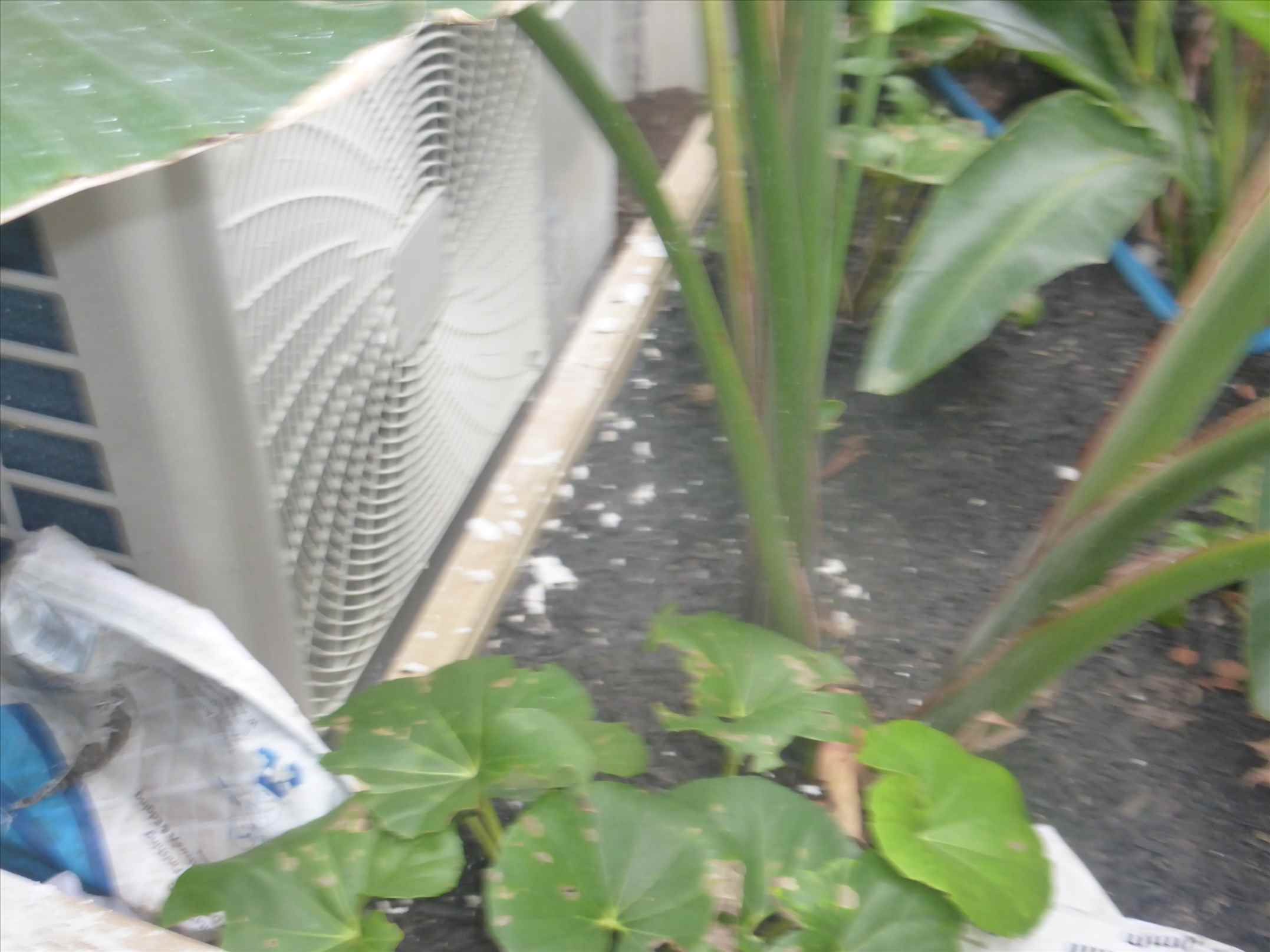
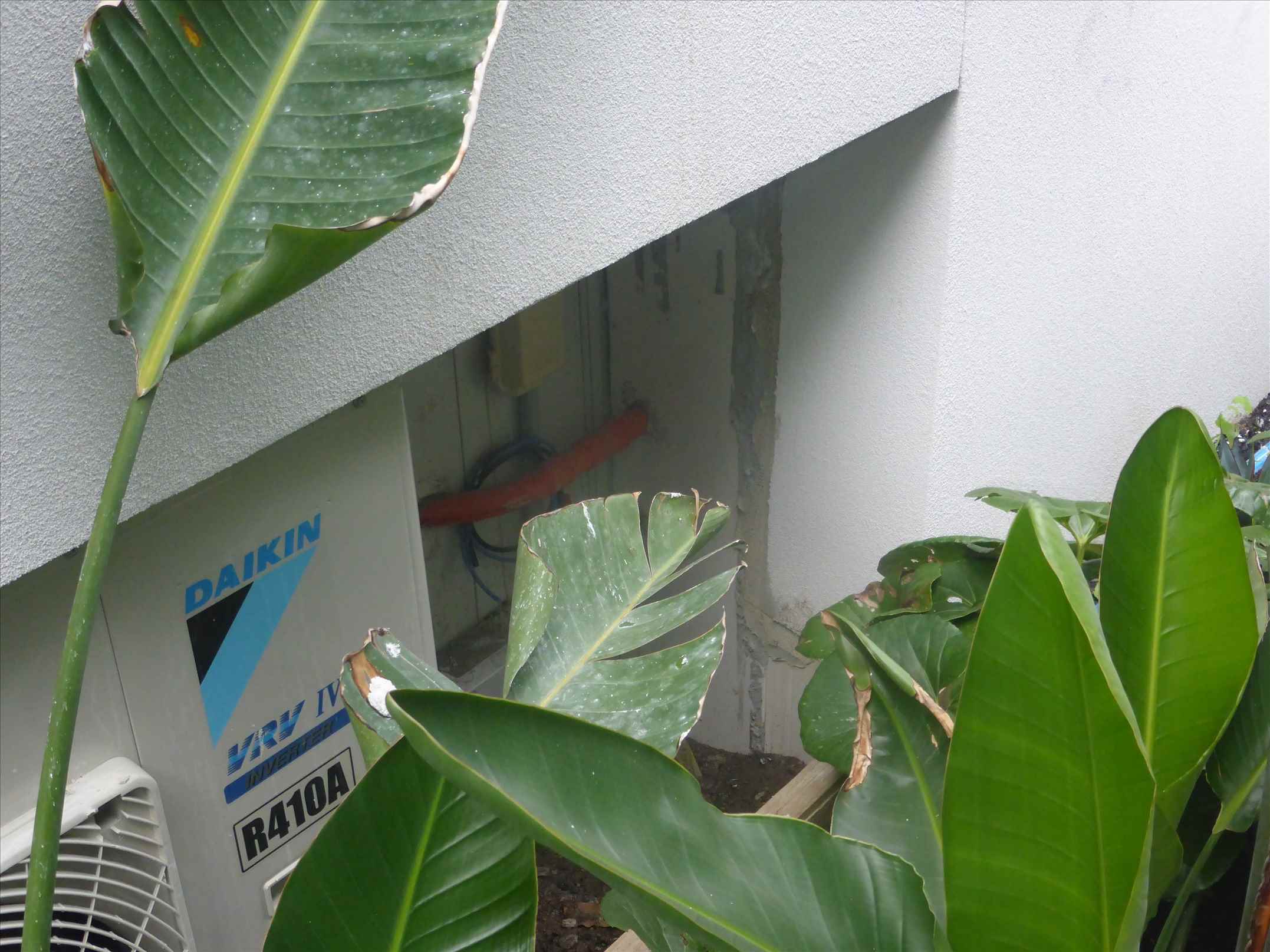
A/C condenser foliage obstruction and unfinished render at service penetration

External side / garden zone — Daikin VRV IV inverter condenser unit

ObservationLarge tropical plants (Strelitzia / 'giant bird of paradise') growing directly against the condenser, obstructing airflow to the intake. Service penetration through the render adjacent to the unit — orange conduit (refrigerant line cover) and blue cable visible — render around the penetration not made good. Plant obstruction reduces condenser efficiency and risks short-cycling; unfinished penetration is a combined weatherproofing, cable-protection and pest-entry issue.

RecommendationCut back or relocate plants to provide clearances specified in the Daikin installation manual (sight the manual). Engage the builder to make good the render around the service penetration and seal with UV-stable flexible sealant. Engage a licensed HVAC technician and a licensed electrician to verify installation compliance with AS/NZS 3823 and AS/NZS 3000 respectively.

p1140797p1140797
p1140798p1140798
R9 Minor
p1140789

External store — door has not been installed; door frame grouting to confirm

External side courtyard — store opening

ObservationThe external store door has not been installed at the time of inspection — the opening is present but no door leaf is in place. Door frame appears not to be grouted — to be confirmed on site and grouted if absent.

RecommendationInstall the missing store door leaf, lockset and weather-seal as per the design intent. Confirm door-frame grouting and grout if required.

p1140789p1140789
All levels — recurring finishing defects (dwelling-wide)5 findings·4 Minor·1 Observation
A1 Minor
p1140584
p1140590
p1140591
p1140592
p1140593
p1140603
p1140604
p1140605
p1140606
p1140610
p1140614
p1140615
p1140616
p1140617
p1140619
p1140624
p1140627
p1140628
p1140629
p1140630
p1140631
p1140632
p1140633
p1140644
p1140665
p1140697
p1140709
p1140710

Excess render / paint and inadequate sanding of sealant — generally throughout the dwelling

Dwelling-wide — paint, render and sealant finishes generally; the photo references are example evidence only and not an exhaustive list

ObservationThe listed photographs are example evidence of generally poor paint, render and sealant finishes throughout the property. The pattern is not isolated to any one room or trade — it recurs at internal corners, wall-to-ceiling junctions, joinery / wall interfaces, paint to architraves, sealant runs at penetrations and similar locations across all levels of the dwelling.

RecommendationCut back excess render, sealant and excess paint; make good paint finishes generally; remove excess staining. The scope is dwelling-wide and requires significant rectification — a coordinated trade visit by the painter and the wet-trade contractor responsible for sealant work, rather than a series of isolated touch-ups.

p1140584p1140584
p1140590p1140590
p1140591p1140591
p1140592p1140592
p1140593p1140593
p1140603p1140603
p1140604p1140604
p1140605p1140605
p1140606p1140606
p1140610p1140610
p1140614p1140614
p1140615p1140615
p1140616p1140616
p1140617p1140617
p1140619p1140619
p1140624p1140624
p1140627p1140627
p1140628p1140628
p1140629p1140629
p1140630p1140630
p1140631p1140631
p1140632p1140632
p1140633p1140633
p1140644p1140644
p1140665p1140665
p1140697p1140697
p1140709p1140709
p1140710p1140710
A2 Minor
p1140703
p1140611
p1140630
p1140663
p1140664
ReferencesAS 2589.1:2017Guide to Standards and Tolerances (NSW Fair Trading)

Unacceptable gypsum plasterboard setting and finishing

Dwelling-wide — plasterboard setting and finishing at multiple internal locations across all levels

ObservationRefer p1140703 — a significantly out-of-square lower-set gypsum wall corner, a defect type that is evident in multiple locations across the dwelling. Refer also p1140611, p1140630, p1140663 and p1140664 for additional examples of unacceptable plaster surface setting defects (uneven flatness, visible joints and patching, set lines visible in raking light) measured against the workmanship benchmarks in the Guide to Standards and Tolerances and the surface-finish levels in AS 2589.1:2017.

RecommendationRectify all out-of-square external corners and unacceptable gypsum plaster setting defects throughout the dwelling. Remediation to bring affected surfaces to a finish that meets AS 2589.1 Level 4 in standard areas and Level 5 in raking-light-prone areas where the defect is most visible. Walk-through with the plasterer to be undertaken across every internal level (Basement, Ground Floor, Upper Level) to identify each affected location before the rectification visit is scheduled.

p1140703p1140703
p1140611p1140611
p1140630p1140630
p1140663p1140663
p1140664p1140664
A3 Minor
p1140680

Excess sealant and paint on internal light switches and power-point faceplates

Dwelling-wide — light switches and GPO faceplates at multiple locations across all levels

ObservationRefer p1140680 — example of excess sealant and paint on a light-switch / control faceplate. The defect is evident throughout the dwelling on switches and power-point faceplates that have not been masked or cleaned at finishing. Faceplates carry visible paint splashes, sealant smears and over-painting onto the plate face.

RecommendationCompletely clean all light-switch and power-point faceplates of excess paint and sealant throughout the dwelling. Where the faceplate finish is too damaged to be cleaned without further marking, replace the faceplate with a like-for-like unit. Walk-through with the painter to confirm each switch and GPO is clean before sign-off.

p1140680p1140680
A4 Minor
p1140636
p1140637
p1140638

Excess sealant and paint; scratch damage to window frames (internal and external)

Dwelling-wide — internal and external window frames at multiple locations across all levels

ObservationExcess paint and sealant residue, together with scratch damage, are evident to window frame finishes — both internal and external — at multiple locations across the dwelling. Refer photos p1140636, p1140637 and p1140638. The pattern recurs across window units, consistent with finishing-trade workmanship and inadequate masking / handling protection during construction rather than isolated handover damage.

RecommendationDwelling-wide: remove all excess paint and sealant from window frames (internal and external) and make good any surface damage to the window frame finishes. Where the anodised, painted or powder-coat finish has been compromised by scratching, repair or re-coat to match per the manufacturer's specification. Coordinate with the painter and the window installer; verify the rectified finish across every window unit before sign-off.

p1140636p1140636
p1140637p1140637
p1140638p1140638
A5 Observation
p1140588
p1140613
p1140731

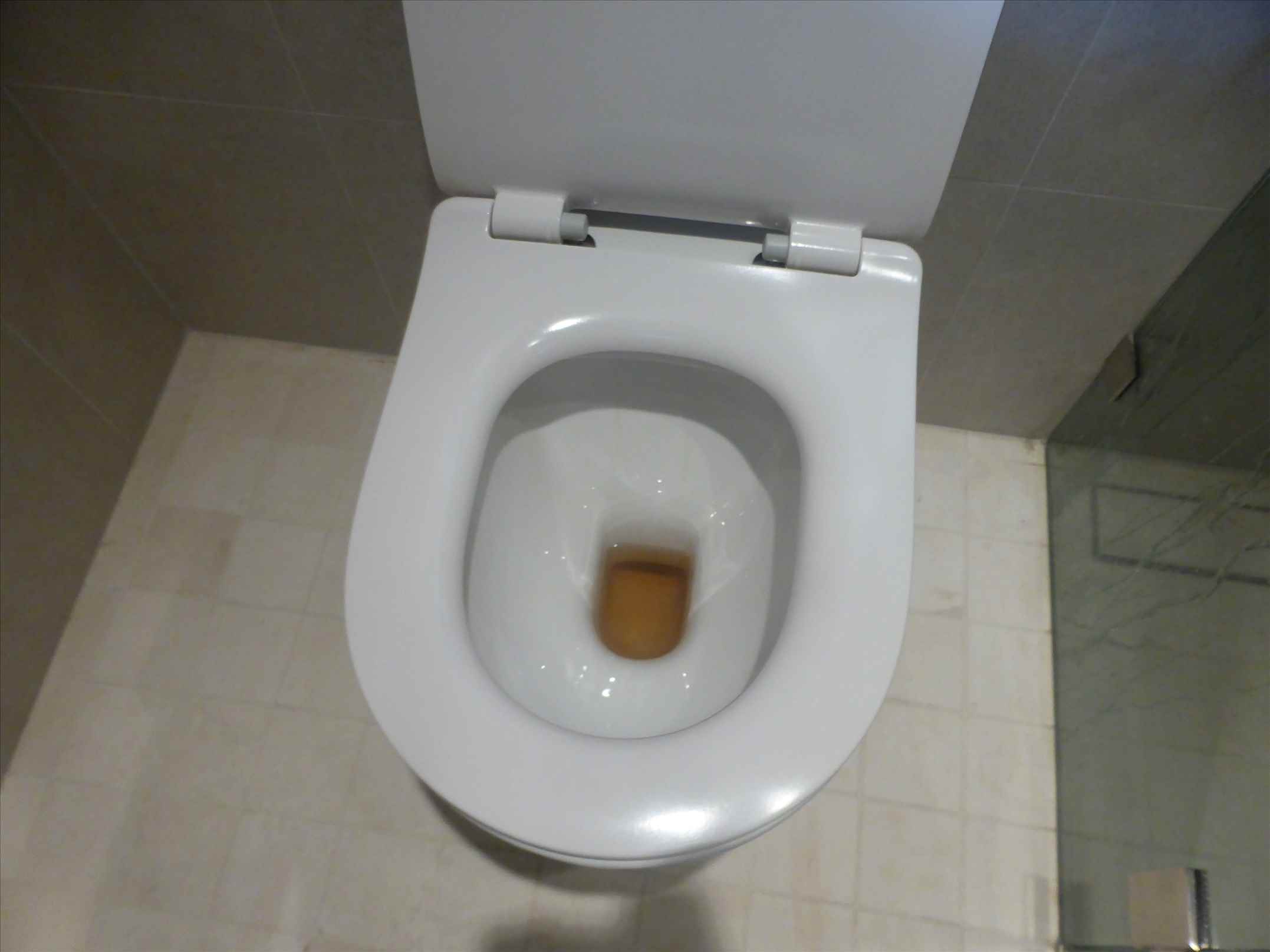
Yellow / amber water observed in toilet pans — dwelling-wide

All toilet pans throughout the dwelling — recurring across all levels

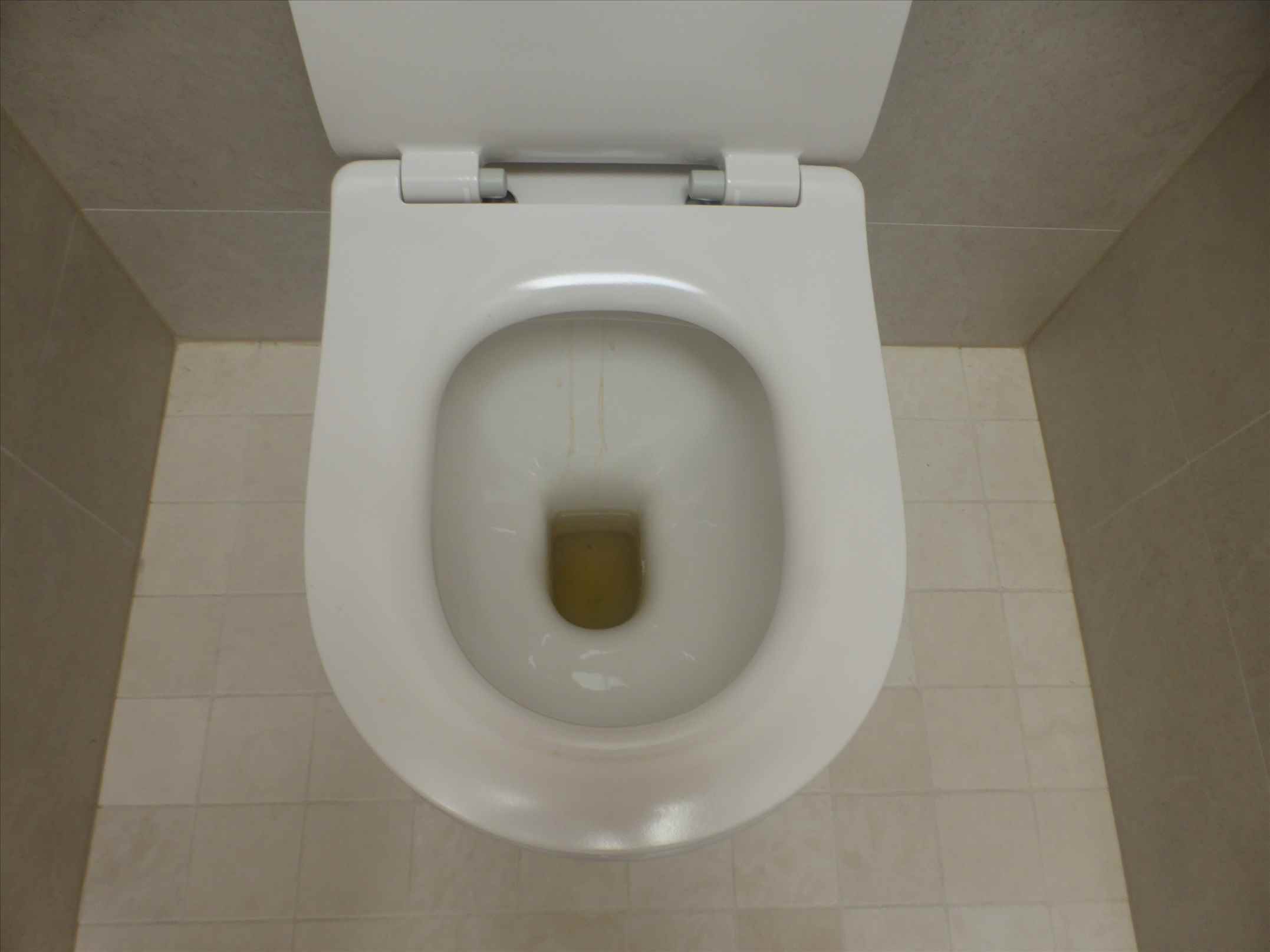
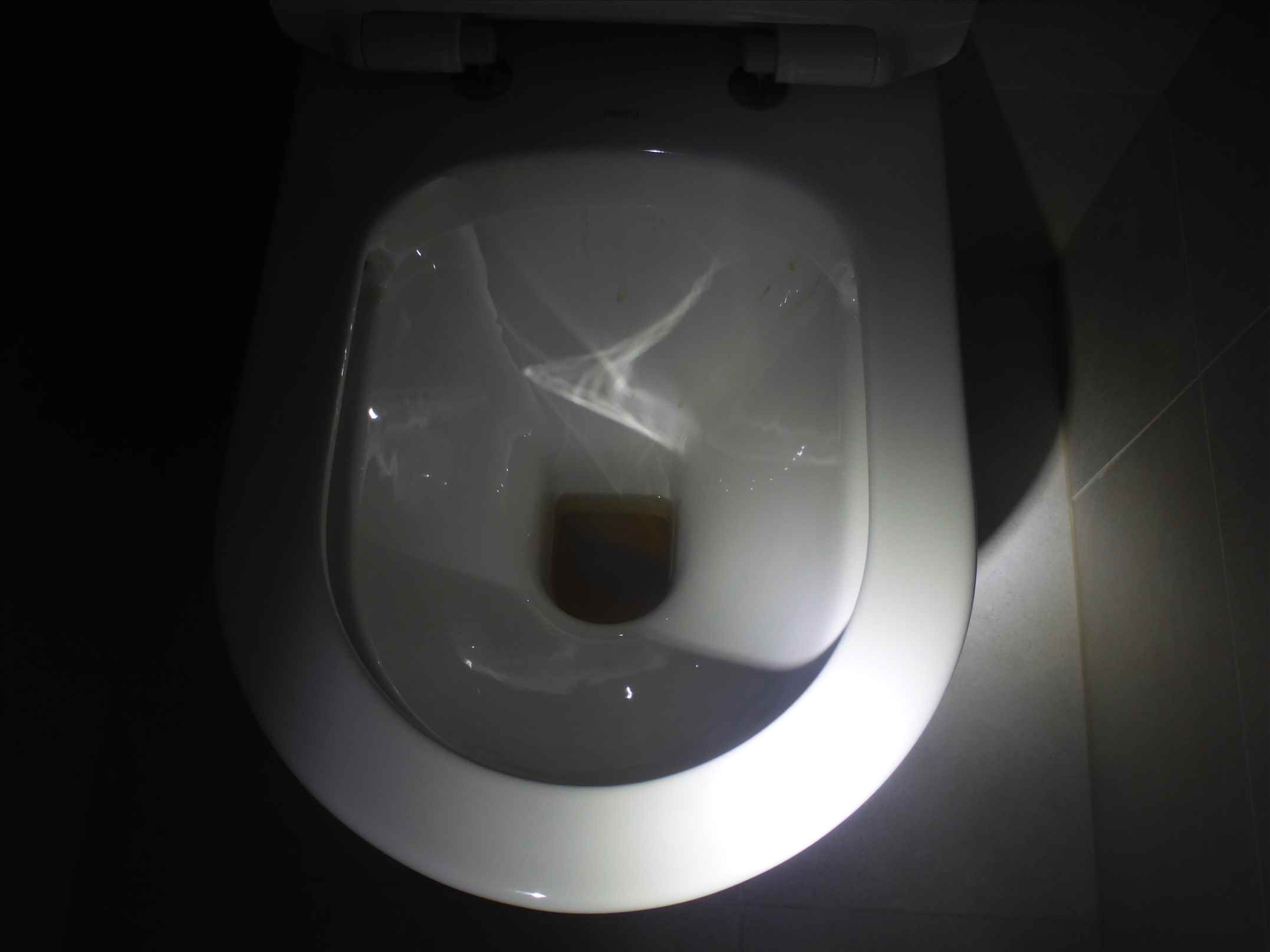
ObservationAll toilet pans across the dwelling show water of a distinct yellow / amber colour, consistent between levels. The uniform colouration across all fixtures indicates a supply-side cause rather than fixture-specific staining or an isolated plumbing defect.

CauseThe owner has advised that the discolouration is attributable to inadequate filtration on the recycled rainwater tank supply, which feeds the toilet cisterns. The tank water carries a green / amber tint that becomes more visible once standing in the cistern and bowl.

RecommendationRecorded as an observation only — no rectification action is required of the builder. The owner is aware of the cause and may, at their option, upgrade the filtration on the recycled rainwater tank supply if the aesthetic appearance of the toilet water is unacceptable in everyday use.

p1140588p1140588
p1140613p1140613
p1140731p1140731
Access Property Services23 April 2026Final Building Defects Inspection Report

Cosmetic Defect Register 42 items · builder defects-liability scope

Surface, finish and trade-handover items observed during the inspection — paint touch-ups, render chips, sealant beads, glass smudges, tile residue, carpet edge tucking, joinery panel finishing, lift-cabin clean-down, masking-tape residue and similar punch-list items. Cosmetic items are nonetheless the contractor's responsibility under the defects-liability provisions of the building contract.

Basement4 items
[CR] B1 (residual) Cosmetic
p1140583
p1140584

Drywall corner bead not flushed at lift lobby; paint runs onto floor

Basement — lift lobby / circulation

ObservationMetal external corner bead visible where setting compound has not fully covered it. Paint has run down the corner onto the concrete.

ActionSet and sand external angles to AS 2589.1 Level 4; re-prime, re-paint; clean paint run-off.

p1140583p1140583
p1140584p1140584
[CR] B2 Cosmetic

Plasterboard not set adjacent to basement joinery cupboard

Basement — typical along the party wall, adjacent to joinery storage cupboard

ObservationPlasterboard adjacent to the basement joinery storage cupboard has not been set. Detail is typical along the party wall.

ActionSet and finish the plasterboard adjacent to the basement joinery cupboard to AS 2589.1 Level 4. Verify and address all other locations along the party wall where the same detail occurs.

[CR] B3 Cosmetic
p1140585
p1140586

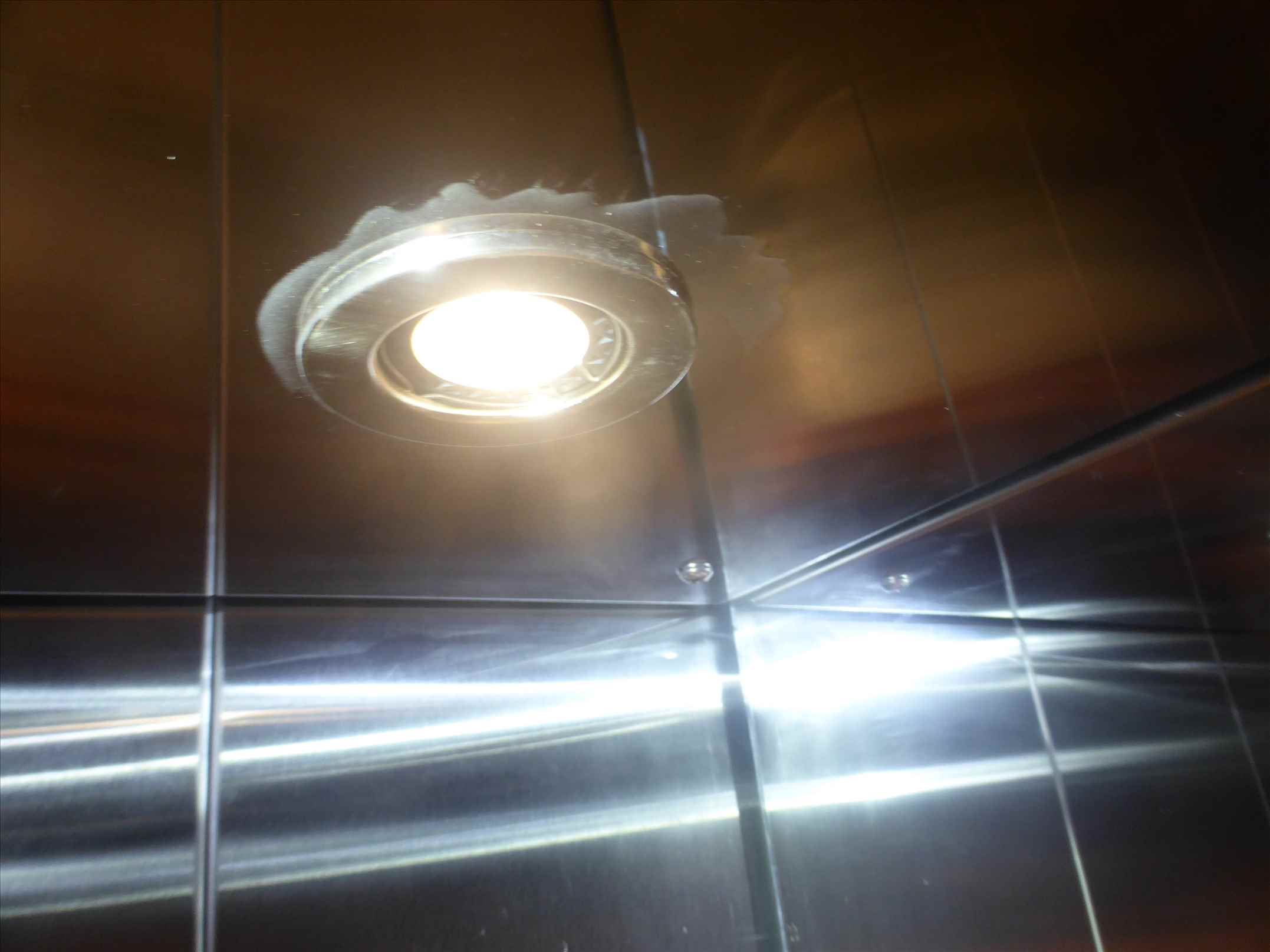
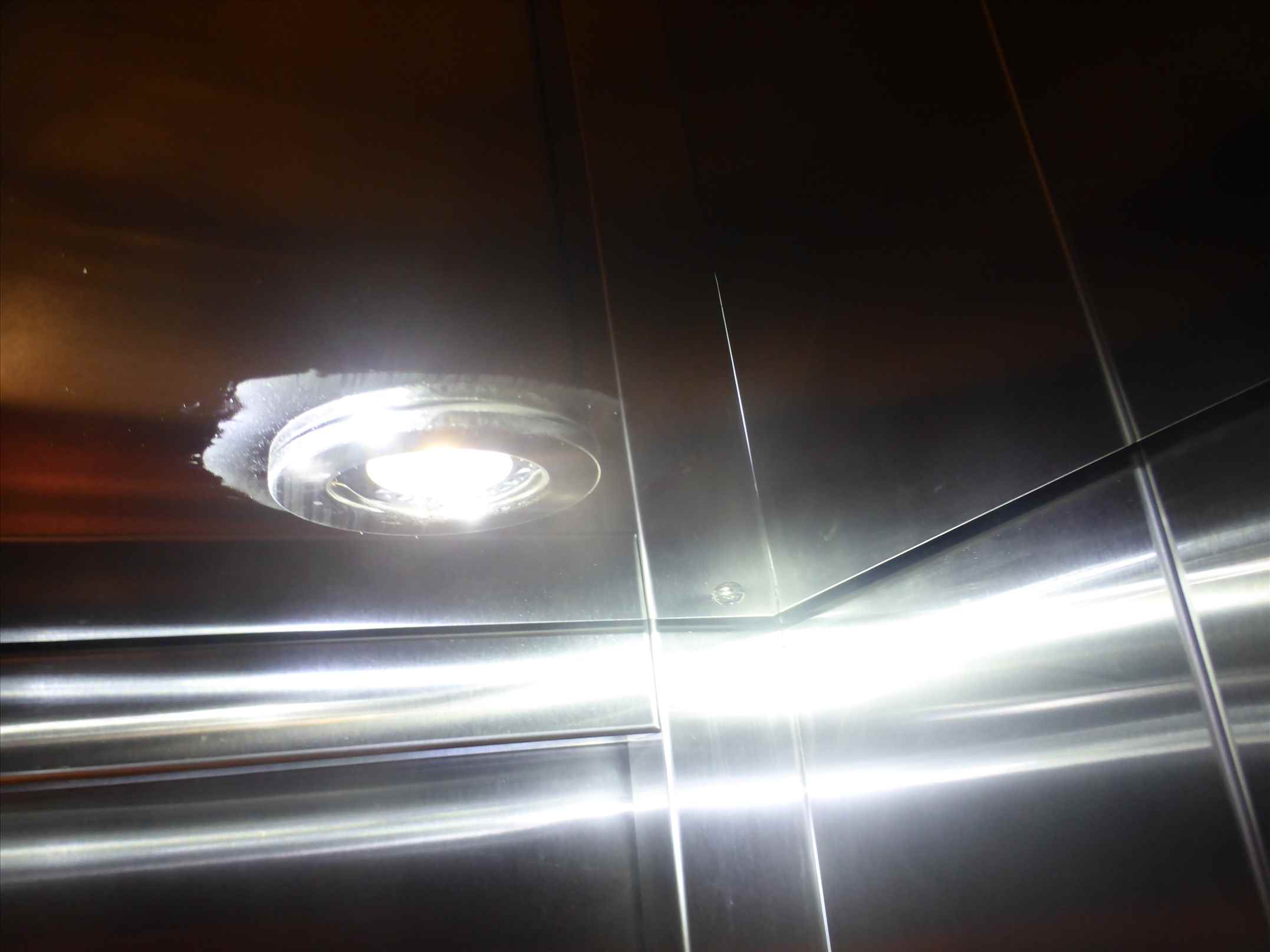
Lift cabin ceiling — silicone / film residue around downlights

Lift cabin — ceiling (multiple stainless panels)

ObservationWhite residue ring around ceiling-mounted downlights on stainless panels. Silicone squeeze-out or protective-film adhesive not cleaned at commissioning. Visible on more than one panel.

ActionSolvent-clean stainless panels using non-acidic, non-chloride cleaner. Check all downlights.

p1140585p1140585
p1140586p1140586
[CR] B4 Cosmetic
p1140569

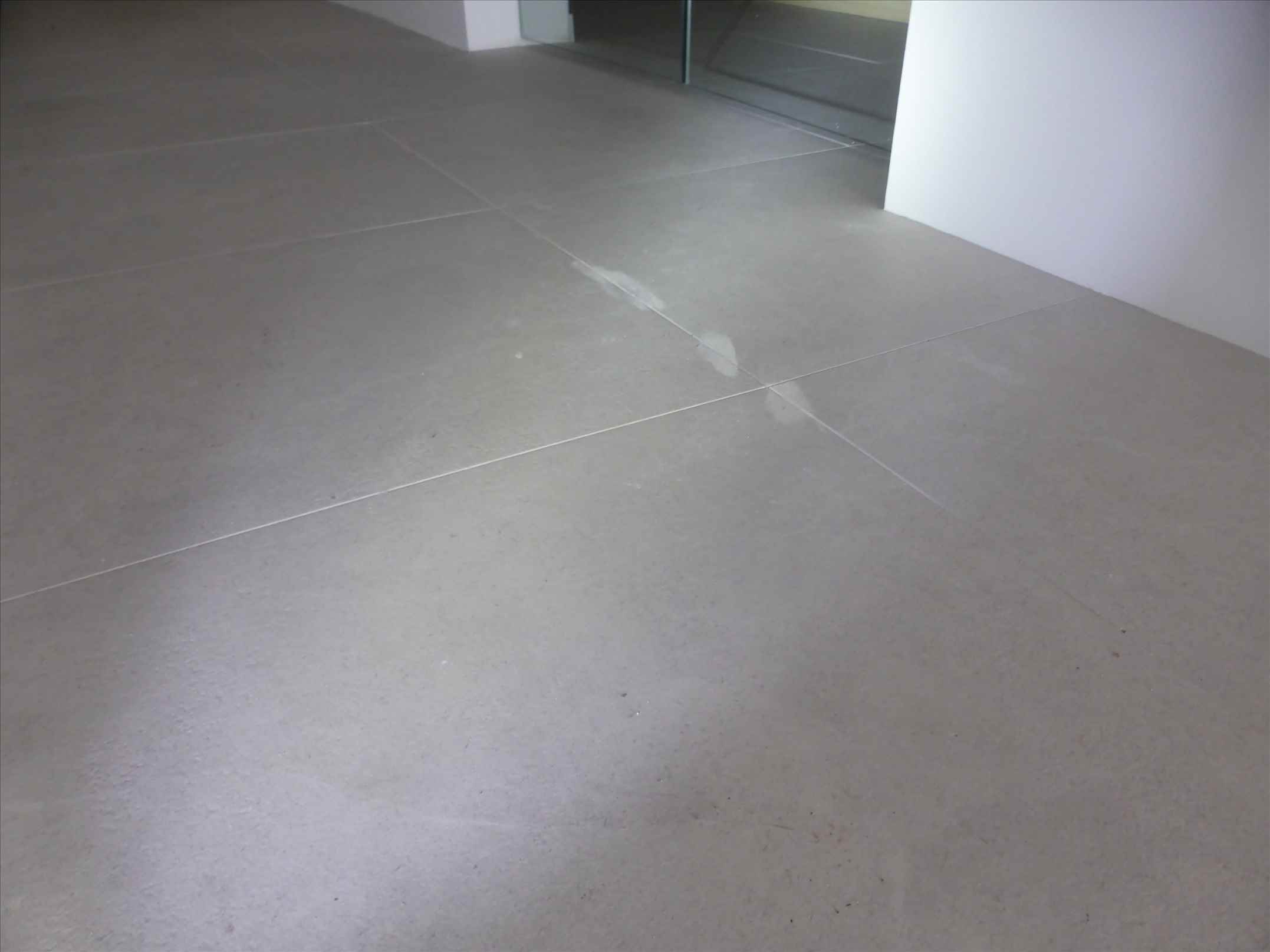
Entry / circulation tile floor — cleaning / sealer residue streaks

Basement — tile floor outside lift / wine room (location corrected — previously filed under Ground Floor as G16)

ObservationLight streaks consistent with sealer or cleaner residue not buffed off.

ActionPolish or buff with appropriate pad and neutral cleaner. Test small area first.

p1140569p1140569
Ground Floor19 items
[CR] G1 Cosmetic
p1140701
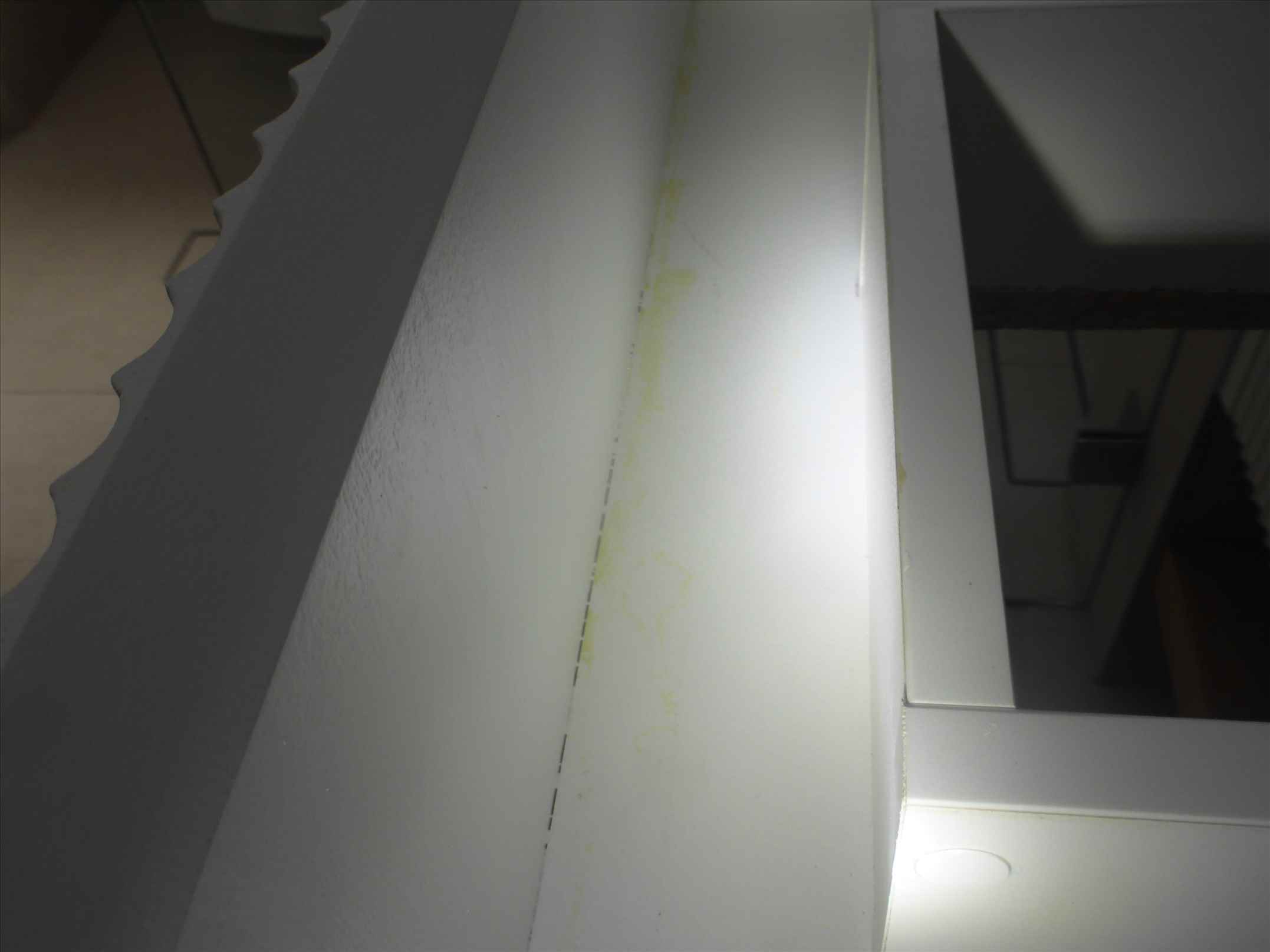
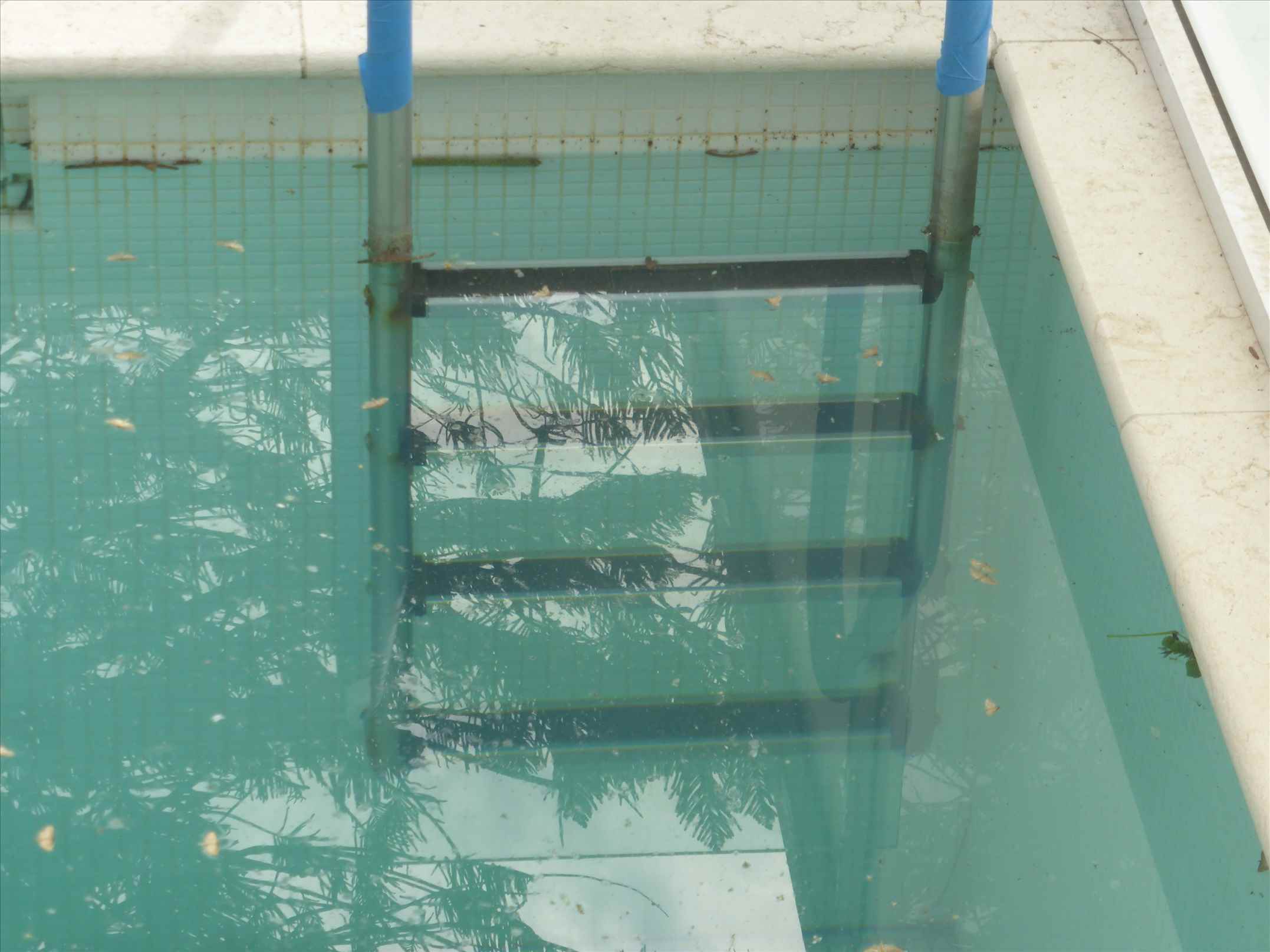
Pool waterline staining and floating debris (commissioning / maintenance)

Pool interior — mosaic tile at waterline, pool floor and ladder

ObservationBrown / yellow staining at the waterline mosaic tile; floating organic debris in the water; water clarity slightly reduced. Commissioning state, not a structural / finish defect.

ActionCommission the pool — clean, balance chemistry, confirm filtration cycle. Provide handover documentation.

p1140701p1140701
[CR] G2 Cosmetic
p1140562
p1140561

External storeroom / switchroom door jamb — paint missing at head

External — Ground Floor storeroom / switchroom door (not the front entry door, as previously recorded)

ObservationPaint film missing at top of jamb exposing bare or primed metal (substrate is metal, not timber as previously recorded).

ActionSand, spot-prime (etch primer for the metal substrate), top-coat to match.

p1140562p1140562
p1140561p1140561
[CR] G3 Cosmetic
p1140747

External door hinge — paint runs down hinge and onto jamb

External — door hinge

ObservationPaint drips running down hardware and painted jamb face. Hinge not masked during painting.

ActionSolvent-clean hinge; touch-up jamb paint.

p1140747p1140747
[CR] G4 Cosmetic
p1140767

Wall base to tile — paint peeling at corner exposing substrate

Ground Floor — bathroom / WC

ObservationPaint peeling back at corner where painted wall meets tiled floor; substrate visible.

ActionScrape loose paint; prime with wet-area-tolerant primer; top-coat.

p1140767p1140767
[CR] G5 Cosmetic
p1140790

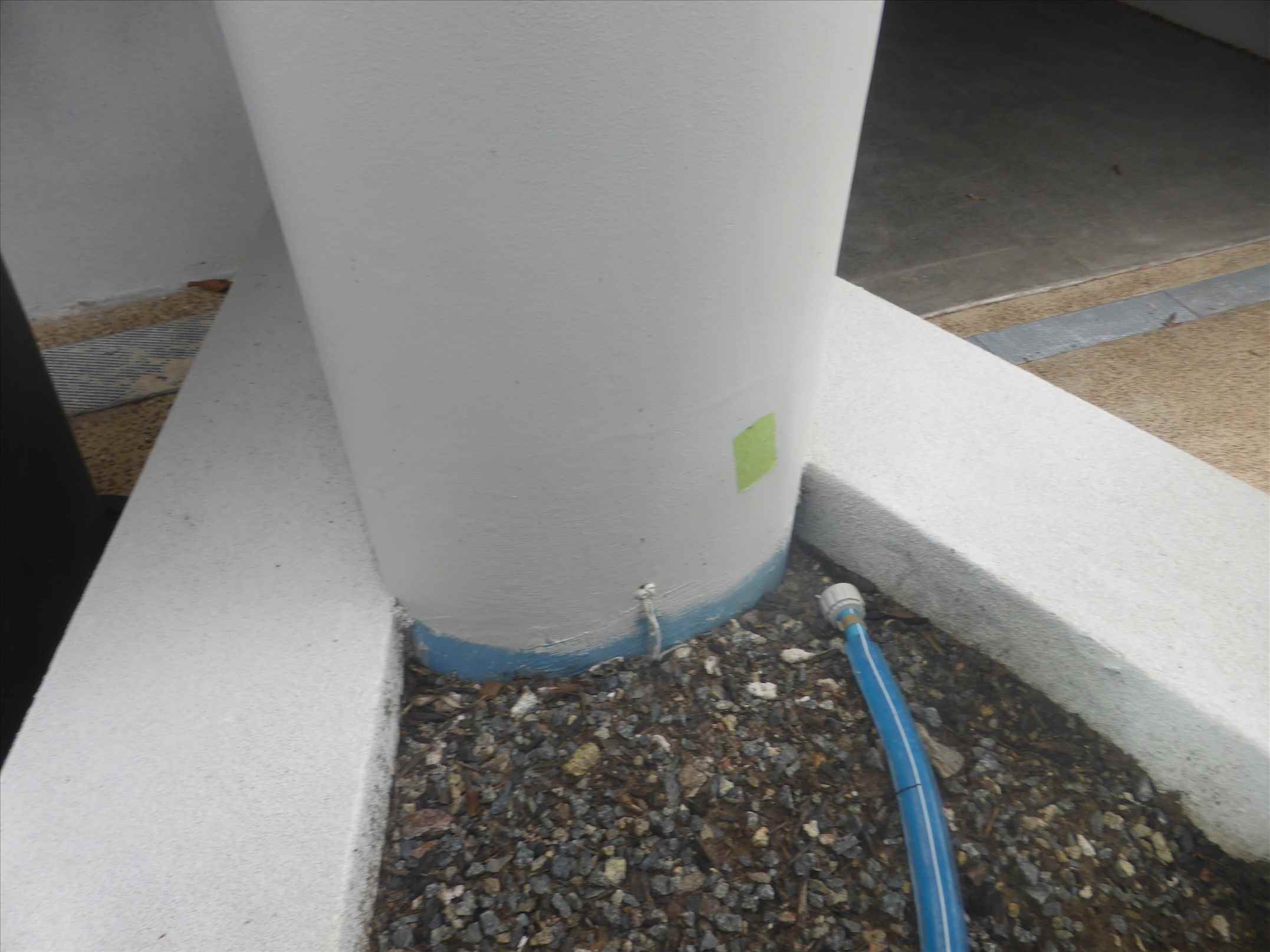
External column base — blue waterproofing visible under top-coat

Front planter (location corrected — previously recorded as "Pool deck / Ground Floor")

ObservationColumn top-coated white but a ring of blue waterproofing paint still visible at base. Painter's-tape flag still attached mid-column.

ActionRemove tape flag. Feather-sand and top-coat the base ring.

p1140790p1140790
[CR] G6 Cosmetic
p1140697

Pool-side rendered wall — waterproofing-paint splashes on top-coat (emphasis — splashes are waterproofing paint)

Pool deck — pool-side rendered wall

ObservationTeal-coloured splashes and spatter on white wall — pool waterproofing paint not cleaned before external top-coat.

ActionScrape or solvent-clean. If staining persists, blocking primer and repaint affected area.

p1140697p1140697
[CR] G7 Cosmetic
p1140768

Guest Ensuite — incorrect and exposed fixing; chipped wall tile adjacent

Ground Floor — Guest Ensuite

ObservationAn exposed and incorrectly-installed fixing is visible on the Guest Ensuite wall, with a chipped wall tile adjacent.

ActionEngage the tiler and the fitter responsible for the fixing. Re-fix or relocate the fixing so it is not exposed; replace the chipped wall tile with a colour-matched / batch-matched tile; re-grout to AS 3958.1.

p1140768p1140768
[CR] G8 Cosmetic

Ground Floor Bathroom vanity — finish, chip and surface defects

Ground Floor — Bathroom vanity unit

ObservationCosmetic-level finish and surface defects on the Ground Floor Bathroom vanity — small chips to painted / 2-pac surfaces, surface marks, and any other punch-list items observed at the vanity that do not rise to the Moderate threshold of master finding G11.

ActionEngage the joinery contractor to walk-through the Ground Floor Bathroom vanity and punch-list every cosmetic-level surface defect; touch-up paint where the substrate allows (note that 2-pac is not easily spot-touched and panel replacement may be required for any visible chip exposing the substrate). Cross-reference master finding G11 for the larger workmanship-rectification scope (poor finish, soft-closures not operating, drawers off runners) — the cosmetic punch-list under this item is in addition to that scope, not a substitute for it.

[CR] G9 Cosmetic

Ground Floor Guest Ensuite vanity — finish, chip and surface defects

Ground Floor — Guest Ensuite vanity unit

ObservationCosmetic-level finish and surface defects on the Ground Floor Guest Ensuite vanity — small chips to painted / 2-pac surfaces, surface marks, and any other punch-list items observed at the vanity that do not rise to the Moderate threshold of master finding G11.

ActionEngage the joinery contractor to walk-through the Guest Ensuite vanity and punch-list every cosmetic-level surface defect; same approach as [CR] G9. Cross-reference master finding G11 for the larger workmanship-rectification scope.

[CR] G10 Cosmetic
p1140687

External wall at lawn / garden edge — gouge / impact marks

External — wall at lawn / garden edge

ObservationSeveral horizontal scratches or gouges in lower render. Garden-maintenance contact (mower / whipper-snipper).

ActionRender patch, sand, repaint. Consider mow-strip or paving detail.

p1140687p1140687
[CR] G11 Cosmetic
p1140690

Render corner chip at deck edge

External — deck-level corner

ObservationSmall render chip at external corner exposing material.

ActionRender patch, paint.

p1140690p1140690
[CR] G12 Cosmetic
p1140764

External render — impact chips

External — wall (location to verify)

ObservationTwo visible impact marks / chips in render exposing substrate.

ActionRender patch, spot-paint.

p1140764p1140764
[CR] G13 Cosmetic
p1140780
p1140761

Bronze window sills — paint / plaster splashes, dust in tracks

Ground Floor — bronze-framed windows (street and garden facing)

ObservationPaint and setting-compound splashes on bronze sills; cobwebs and dust in frame tracks.

ActionHandover clean of all bronze window sills and tracks. Vacuum frame tracks.

p1140780p1140780
p1140761p1140761
[CR] G14 Cosmetic
p1140745

Tile floor — paint / caulk drip spots

Ground Floor — tiled area (room to verify)

ObservationSmall white drips and spots on tile face.

ActionScrape or wash off with appropriate solvent. Care with grout — test first.

p1140745p1140745
[CR] G15 Cosmetic
p1140711

Carpet — setting compound debris on trim and floor

Ground Floor — carpeted bedroom

ObservationSetting compound debris on trim above carpet edge.

ActionVacuum and wipe trim. Carpet re-tucking under G17.

p1140711p1140711
[CR] G16 Cosmetic
p1140717

Tile grout uneven / deep-set across joints

Ground Floor — tiled area

ObservationGrout lines recessed unevenly with gritty finish; bedding light.

ActionRe-grout affected joints to level, smooth finish per AS 3958.1.

p1140717p1140717
[CR] G17 Cosmetic
p1140711

Carpet poorly tucked at skirting; loose along edge

Ground Floor — carpeted bedroom

ObservationCarpet loose at skirting with fibres pulled forward.

ActionRe-tuck carpet edge per AS 2455.1. Combine with G15 trim clean.

p1140711p1140711
[CR] G18 Cosmetic
p1140770

Tile-to-carpet transition — yellow discolouration / debris

Internal — doorway threshold (same as A1)

ObservationCarpet shows yellow discolouration at tile transition. Cross-reference master finding U11. No angles at tiling — see [CR] A1 / master finding G5.

ActionCarpet clean per master U11. Caulk gap under [CR] A1. Edge-angle scope under master finding G5.

p1140770p1140770
[CR] G19 Cosmetic
p1140712
p1140726

Bronze aluminium window frame — paint chip / scratch on bronze finish

Ground Floor — multiple bronze-framed windows

ObservationMarks / chips in bronze anodised finish on horizontal frame member. Repeats across multiple windows.

ActionTouch-up with matched bronze paint pen. If chip exposes underlying aluminium, treat with etch primer first.

p1140712p1140712
p1140726p1140726
Upper Level11 items
[CR] U1 Cosmetic
p1140652
p1140655
p1140666

Gas cooktop — manufacturer packaging not removed

Upper Level — Kitchen, gas cooktop set into stone benchtop

ObservationThe gas cooktop is installed in the stone benchtop. Manufacturer packaging and loose components were visible alongside at the time of inspection — handover-clean items rather than installation defects. No rangehood is provided; this is per the design intent for this dwelling and is not a defect.

ActionRemove leftover manufacturer packaging during the handover clean.

p1140652p1140652
p1140655p1140655
p1140666p1140666
[CR] U2 Cosmetic
p1140728

Kitchen island bench base — chip exposing substrate

Upper Level — base of Kitchen island bench

ObservationChip to the base of the Kitchen island bench. (Previously recorded against an internal door jamb on Ground Floor; the photo p1140728 is of the Kitchen island base.)

ActionFill, sand, touch-up to match the island base finish (note: 2-pac surfaces are not easily spot-touched; if the touch-up does not blend, consider panel replacement).

p1140728p1140728
[CR] U3 Cosmetic
p1140604

Construction debris and raw timber jamb at carpet / joinery junction

Upper Level — carpeted room (likely Master Suite or WIR)

ObservationLoose plaster dust / setting compound debris at the carpet edge and on the adjacent wall. Joinery / jamb edge shows raw, unfinished timber at the bottom where it meets the carpet.

ActionThorough site clean; make good the joinery edge at carpet transition; consider professional carpet clean.

p1140604p1140604
[CR] U4 Cosmetic
p1140710

Stairwell / landing — door / window frame paint drips and ceiling overspray

Upper Level — stairwell / landing

ObservationRuns and drips on frame; spatter dots on adjacent ceiling.

ActionSand runs on frame; spot-sand and touch-up ceiling.

p1140710p1140710
[CR] U5 Cosmetic
p1140693
p1140692

Internal ceilings — roller swirl marks (does not meet AS 2589.1 Level 4)

Upper Level — living area / large open ceilings

ObservationRoller swirl and drag marks remain visible — finish does not meet AS 2589.1 Level 4 (the AS 2589.1 finish standard typically required for ceilings in raking light). Most evident in raking light.

ActionLight sand and re-coat ceilings in raking-light-prone rooms to a finish that meets AS 2589.1 Level 4.

p1140693p1140693
p1140692p1140692
[CR] U6 Cosmetic
p1140751

White 2-pac drawer face — orange-brown stain mark

Upper Level — kitchen / laundry joinery

ObservationRust-coloured mark on white painted drawer front.

ActionClean first — if mark does not lift, refinish or replace door (2-pac is not easily spot-touched).

p1140751p1140751
[CR] U7 Cosmetic

Kitchen / wet-area benchtop — lumpy silicone bead

Upper Level — kitchen benchtop (stone-to-wall junction). Note: photo p1140740 may instead be of a vanity unit; verify and replace photo if needed (vanity-defect images have been reassigned to G11 / U5 vanity defects).

ObservationYellow tape residue on stone edge; silicone bead lumpy and uneven.

ActionSolvent-clean tape residue. Rake out silicone bead and re-run with neutral-cure food-grade silicone tooled smooth.

[CR] U8 Cosmetic

Pelmet / blind top track — masking tape residue; blinds still wrapped in plastic

Upper Level — window with sheer curtain / blind track

ObservationYellow-green masking tape remnants on top of pelmet / blind track. Blinds are still wrapped in plastic — to be unwrapped at handover.

ActionPeel tape residue, solvent-clean, handover-clean top surfaces. Unwrap blinds and confirm operation.

[CR] U9 Cosmetic
p1140760

Timber flooring — pencil marks / boot scuffs

Upper Level — oak timber floor (hallway / bedroom)

ObservationDark pencil or scuff marks on oak floor.

ActionLight buff with finish-friendly product. Local re-coat if marks are into the finish.

p1140760p1140760
[CR] U10 Cosmetic
p1140750
p1140749

Travertine feature wall — mismatched void filler and edge chip

Upper Level — travertine feature wall (entry / hall)

ObservationVoids in travertine filled with non-matched filler; small edge chip visible.

ActionStone specialist to re-fill voids with colour-matched resin; dress edge chip.

p1140750p1140750
p1140749p1140749
[CR] U11 Cosmetic
p1140732

Upper Level exhaust fan perimeter — bleed-through staining and finish make-good

Upper Level — exhaust fan perimeter (photo p1140732). Location corrected — previously filed under Roof / External as R5.

ObservationBleed-through staining at the exhaust fan perimeter; finish requires make-good.

ActionStain-block, make-good to AS 2589.1 Level 4 and repaint. Cross-reference master finding U9 (exhaust fan perimeter finish uneven) for the related plasterboard make-good scope.

p1140732p1140732
Roof / External4 items
[CR] R1 Cosmetic
p1140708
p1140707
p1140726

Ground-Level skylight (over basement garage) — debris and standing water

Ground Level — skylight set into the paved deck over the basement garage (not at roof level, as previously recorded). The skylight glazing serves the basement garage below the deck.

ObservationSkylight glazing with surrounding white aluminium frame set into a stone / paved deck. Organic debris (leaves, twigs, grit) on the deck near the skylights; areas of residual surface water / damp staining; pebble bed in adjoining roof-planter area contains leaf litter. Pooling water adjacent to a skylight flashing is a known leak entry path if left unmanaged.

ActionClean all debris from the deck and pebble beds. Verify deck falls correctly to nominated drainage point(s) and no ponding exists once cleared. Refer to roof plumber for flashing and drainage assessment under the roof specialist disclaimer.

p1140708p1140708
p1140707p1140707
p1140726p1140726
[CR] R2 Cosmetic
p1140700

External Upper Level parapet capping — paint scuffs and bumpy finish

Roof — Upper Level parapet capping

ObservationPaint finish on parapet capping uneven and scuffed.

ActionSand, spot-fill, re-paint.

p1140700p1140700
[CR] R3 Cosmetic
p1140713

External render — streak / stain on window reveal at Bedroom N6a

External — window reveal at Window N6a, Ground Floor Bedroom (photo p1140713)

ObservationDark streak / stain on rendered window reveal.

ActionClean; if mark does not lift, blocking primer and repaint.

p1140713p1140713
[CR] R4 Cosmetic
p1140734

External soffit render — rough finish with drag marks

External — soffit / parapet underside

ObservationRender shows visible drag marks and uneven texture.

ActionSand and skim; re-paint.

p1140734p1140734
All levels — recurring cosmetic (dwelling-wide)4 items
[CR] A1 Cosmetic
p1140770

Tile-to-carpet transition — unfilled gap at corner; no edge angle at wet-area tile transitions (typical)

Dwelling-wide — every wet-area-to-adjoining-floor transition (previously filed under Ground Floor as G14)

ObservationWall meets floor transition with unfilled gap at corner. In addition, no edge angle is installed at tiling at the edge of wet areas (typical) — for example, between bathroom tiles and carpet and / or timber flooring. This raises the question of how the wet-area waterproofing membrane is tanked at the perimeter and is captured under master finding G5 / U2, where photograph p1140770 is also cited (under G5.1) as photographic evidence of the absent door-threshold waterstop required by AS 3740 Figure 3.3.

ActionCaulk and make-good the corner. For the underlying AS 3740 compliance scope (door-threshold waterstop, perimeter membrane termination), refer to the master register finding G5 / U2.

p1140770p1140770
[CR] A2 Cosmetic
p1140574

Glass screen / balustrade — dust and fingerprint marks; no edge strips at flooring transitions

Dwelling-wide — glass screen / balustrade and every timber-to-carpet (or timber-to-tile) floor transition (previously filed under Ground Floor as G15)

ObservationDust and smudging on glass face — pre-handover state. In addition, no edge strips are installed at the timber-flooring transitions between adjacent finishes — for example, timber to carpet in bedrooms.

ActionHandover glass clean. Install colour-matched edge strips at every timber-to-carpet (and timber-to-tile) transition throughout the dwelling.

p1140574p1140574
[CR] A3 Cosmetic
p1140721

Joinery veneer panels — gap between adjacent panels (Ground Floor + Upper Level)

Dwelling-wide — built-in joinery (kitchens, WIRs, all built-ins on Ground Floor and Upper Level) (previously filed under Ground Floor as G24)

ObservationVisible gap between two adjacent timber veneer panels — same defect repeats in joinery on both Ground Floor and Upper Level (kitchen, WIR, built-ins).

ActionRe-fix panels to close gap; if gap is fixed, infill with colour-matched timber filler. Verify and address every veneered joinery unit on both levels.

p1140721p1140721
[CR] A4 Cosmetic
p1140694
p1140689
p1140697

Walls dwelling-wide — light scuffs, handling marks and dust on paint

Dwelling-wide — multiple rooms across all levels (previously filed under Roof / External as R2)

ObservationGeneral wall scuffs, handling marks and fine dust on paint surfaces. Pre-handover state.

ActionFull handover wall clean by builder; touch-up paint across all rooms in single visit.

p1140694p1140694
p1140689p1140689
p1140697p1140697
Access Property Services23 April 2026Cosmetic Register
Appendix A — Guest Bedroom Ventilation Compliance CalculationG10 · NCC HP H4D5 · AS 1668.2:2012

Property: 152 Moverly Road, South Coogee NSW 2034 — Top (Northern) Townhouse Finding supported: G10 — Guest Suite ventilation + Guest Ensuite shower-recess overflow Source documents: Graphio CDC 3.00 / 4.00 / 5.00 / 6.00, Revision I, dated May 2023 Inspector: Dominic Ogburn · Access Property Services Visual Building Inspection: 23 April 2026

This appendix accompanies the consolidated building report and the defect summary for 152 Moverly Road. It supports finding G14 — Guest Suite ventilation. The calculation shows that the existing Guest Bedroom does not meet the natural-ventilation requirement of NCC 2022 HP Part H4D5 (deemed-to-satisfy path) and that a standard residential split-system air conditioner does not satisfy the AS 1668.2:2012 mechanical-ventilation alternative. Site-measurement of the Guest Bedroom floor area and of every operable element is still required before rectification is priced. The compliance position recorded below holds across the sensitivity range tested (12.6 – 18.2 m2), because the existing unobstructed openable area is approximately zero — well below 5% of the floor area at any plausible room dimension.

A.1 Floor area — basis of calculation

The Guest Bedroom dimensions have been read off Graphio CDC 3.00 / 4.00 / 5.00 / 6.00, Revision I, dated May 2023. The eastern external wall of the Guest Bedroom (RL 65.300, top townhouse) reads 5,010 mm centred on the room. The east-west width across the room body reads in the range 3,000 – 3,300 mm between the Ensuite wall and the eastern external wall.

For the calculation a 5.0 m × 3.0 m = 15.0 m2 floor area has been adopted. This is to be confirmed by tape on site as part of rectification scoping. Sensitivity at common alternative readings is shown in the table below — the compliance position is the same in every case.

Floor dimensionsFloor areaRequired openable area (5%)
4.5 m × 2.8 m12.6 m20.63 m2
5.0 m × 3.0 m 15.0 m20.75 m2
5.0 m × 3.5 m17.5 m20.88 m2
5.5 m × 3.3 m18.2 m20.91 m2

A.2 NCC HP Part H4D5 — natural ventilation (deemed-to-satisfy path)

NCC 2022 Volume Two, Housing Provisions, Part H4D5 requires a habitable room to be provided with natural ventilation via openings, doors or other devices opening directly to outside, with an aggregate unobstructed openable area of not less than 5% of the floor area of the room being ventilated.

For the adopted 15.0 m2 floor area, the required openable area is therefore 0.75 m2 (= 7,500 cm2).

Existing unobstructed openable area at time of inspection.

ElementTypeFrame areaUnobstructed openable area
Main wall of glassFixedn/a0 m2
Louvre windowOperable in design — but cannot be opened at time of inspection< 1.0 m20 m2 (effective)
Total≈ 0 m2

Compliance result: FAIL. The existing room provides effectively zero unobstructed openable area against a requirement of 0.75 m2.

The louvre cannot rescue compliance even if made operable. Only the open fraction of a louvre's frame counts as unobstructed openable area. A typical adjustable-blade louvre at full open delivers approximately 55% of its frame area as effective opening (product-specific; verify against datasheet). On that basis:

  • Louvre frame 1.0 m2 × 0.55 = 0.55 m2 effective — still below the 0.75 m2 required
  • To meet the 5% requirement using the louvre alone the frame would need to be approximately 1.4 m2 (e.g. 1,200 mm × 1,200 mm)

A.3 AS 1668.2:2012 — mechanical ventilation (performance alternative)

Where natural ventilation is not provided, NCC HP Part H4D5 permits a mechanical-ventilation system complying with AS 1668.2:2012 The use of ventilation and air-conditioning in buildings — Mechanical ventilation in buildings. AS 1668.2 mandates the introduction of outside air at a minimum rate, and the extraction of stale air, by a purpose-designed system.

Sizing for the Guest Bedroom (15.0 m2 floor area, design occupancy 2 persons):

MethodCalculationOutside-air rate
Per floor area (1.0 L/s/m2)1.0 × 15.015 L/s
Per occupant (5.0 L/s/person)5.0 × 210 L/s
Greater of the two — adopt15 L/s

That equates to 54 m3/h of continuous outside-air supply, or approximately 1.3 air changes per hour at a 2.7 m ceiling height (room volume ≈ 40.5 m3). At 5 L/s/person the indoor CO2 concentration is generally diluted to the 1,200 – 1,400 ppm range, consistent with the ABCB Indoor Air Quality Handbook guidance for residential bedrooms.

A.4 Why a residential split-system air conditioner does not satisfy AS 1668.2

A residential split-system air conditioner draws return air from the room, passes it across an evaporator coil for cooling or heating, and returns the same air to the room. It does not introduce outside air. Outside-air introduction at a split-system AC = 0 L/s.

AS 1668.2:2012 specifies the introduction of outside air at the rates set out in Table A1 (and equivalent sections) and the extraction of stale air by a purpose-designed mechanical system. A residential split AC does neither. It is therefore not a substitute for either:

  • the 5% openable area required by NCC HP H4D5; or
  • a compliant AS 1668.2 mechanical-ventilation installation.

Any submission that the Guest Bedroom is "ventilated by air conditioning" should be rejected on this basis.

A.5 Three rectification options — sized for 15 m2 Guest Bedroom

Each of the options below is engineered to deliver the compliance position required by H4D5 / AS 1668.2 for a 15.0 m2 floor area. Each is to be confirmed against the on-site tape measurement and against product-specific data before final pricing.

Option 1 — Operable and enlarged louvre window

  • Required effective opening: 0.75 m2
  • Typical adjustable-blade louvre delivers ~55% of frame area when fully open
  • Required louvre frame: 0.75 ÷ 0.55 ≈ 1.4 m2
  • Indicative size: 1,200 mm wide × 1,200 mm high = 1.44 m2 frame
  • Confirm louvre is fully operable, free from obstruction at full open, and weather-rated for the external location
  • Re-render around the louvre frame to a level finish (also addresses the G14 render observation at p1140773)

Option 2 — Convert a section of the fixed glazing to an awning sash

  • Awning-style sashes open more efficiently than louvres, typically 80 – 90% of frame area
  • A 1,000 mm × 1,000 mm awning sash = 1.0 m2 frame delivers approximately 0.85 m2 effective opening ✓ (gives a margin above the 0.75 m2 requirement)
  • Convert one panel of the existing fixed glazing rather than replacing the whole wall
  • Verify glass is Grade A safety glazing per AS/NZS 2208:1996 / AS 1288:2021
  • Verify thermal performance against the dwelling's BASIX commitment

Option 3 — AS 1668.2:2012 mechanical-ventilation system

  • Continuous outside-air supply: ≥ 15 L/s
  • Typical small ducted mechanical ventilation with heat recovery (MVHR) unit sized at 15 – 30 L/s; suit the supply to Guest Bedroom and stale-air extract from the Guest Ensuite (which would also assist the AS 3740 wet-area extract requirement)
  • Installation to be designed and certified by a registered HVAC engineer working to AS 1668.2:2012; commissioning report and AS 1668.2 compliance certificate to be retained
  • This is a commercial-grade installation, not a residential split AC — explicit on this point because it is the most common misunderstanding in this category

A.6 Limits of this calculation

This appendix is honest about the limits of what it can establish from drawings and photographs alone:

  • The 15 m2 floor area is a plan-derived estimate. Confirm by tape on site before any rectification is priced. The compliance position holds across the 12.6 – 18.2 m2 sensitivity range.
  • The louvre effective-opening ratio of 55% is a typical figure for adjustable-blade external louvres at full open. Some high-performance products achieve 70%+. Use the manufacturer's certified open-area figure when sizing.
  • The AS 1668.2 outside-air rate has been calculated using both the per-floor-area and per-occupant methods, taking the greater. A registered HVAC engineer will use the actual product specifications and AS 1668.2 Table A1 directly.
  • Rectification options are indicative sizings to demonstrate the order of magnitude required. Final design (sash type, glass specification, mechanical equipment selection) is to be by the relevant licensed designer / engineer.

Standards cited in this appendix

  • NCC 2022 Volume Two, Housing Provisions Part H4D5 — Natural ventilation (5% openable-area rule)
  • NCC 2022 Volume Two, Housing Provisions Part H4D6 — Ventilation through adjoining rooms
  • AS 1668.2:2012The use of ventilation and air-conditioning in buildings — Mechanical ventilation in buildings (outside-air rates, Table A1)
  • AS/NZS 2208:1996 — Safety glazing materials in buildings
  • AS 1288:2021 — Glass in buildings — selection and installation
  • AS 3740:2021 — Waterproofing of domestic wet areas (referenced for the related Guest Ensuite shower-recess finding under G14)
  • ABCB Indoor Air Quality Handbook (current version) — guidance on residential ventilation rates and CO2 dilution

— End of Appendix A —